If you’ve ever thrown away wilted vegetables, forgotten leftovers, or half-used ingredients that expired before you could use them, you’ve experienced the frustration of kitchen waste. If you’re searching for how to reduce kitchen waste, you’re not only looking to save money—you’re contributing to a more sustainable planet.
In 2026, the average American household throws away approximately $1,500 worth of food every year. As a kitchen efficiency expert based in Austin, I believe that an efficient cuisine is also a zero-waste cuisine. The same systems that help you cook faster also help you waste less.
Here is my professional guide on how to reduce kitchen waste using 10 smart, practical habits that you can implement today.
Table of Contents
Why Reducing Kitchen Waste Matters in 2026
Before we dive into how to reduce kitchen waste, let’s understand the bigger picture:
The Impact:
- Food waste accounts for 8% of global greenhouse gas emissions
- The average American wastes 30-40% of their food supply
- Reducing food waste saves the average family $1,500 per year
The 2026 Shift: More Americans are adopting “circular kitchen” practices—using every part of every ingredient and composting what remains. This isn’t just eco-friendly; it’s financially smart.
Habit 1: Master the “First In, First Out” System
The most impactful step in how to reduce kitchen waste is organizing your fridge and pantry correctly.
The Method:
- When you bring new groceries home, move older items to the front
- Place newer items at the back
- Always use the oldest items first
The Efficiency Win: This prevents the “forgotten food” syndrome where items get buried and expire unseen. See my How to Organize a Refrigerator for Maximum Freshness guide for the complete system.
Habit 2: Plan Your Meals Before You Shop
Impulse buying is the #1 cause of food waste.
The 2026 Method:
- Plan your meals for the entire week before shopping
- Write a precise shopping list based on those meals
- Buy only what’s on the list
- Check your fridge and pantry before shopping to avoid buying duplicates
The Result: You buy exactly what you need, use exactly what you buy.
Related Guide: See my 1-Hour Meal Prep System for complete weekly planning strategies.
Habit 3: Understand “Use By” vs “Best By” Dates
Millions of pounds of food are thrown away unnecessarily because people misunderstand date labels.
The 2026 Clarification:
- “Best By” Date: Refers to quality, not safety. Food is often safe to eat days or weeks after this date.
- “Use By” Date: Refers to safety for perishable items like meat and dairy.
- “Sell By” Date: Tells the store when to remove the item—not when you need to eat it.
The Rule: Always use the smell, color, and texture tests (like those in my How to Tell If Chicken Is Bad guide) rather than relying solely on dates.
Habit 4: Store Food Correctly (The Science of Freshness)
Improper storage is the second biggest cause of food waste after poor planning.
The 2026 Storage Rules:
- Herbs: Use the water glass method (see my How to Store Fresh Herbs to Keep Them Fresh Longer guide)
- Produce: Separate ethylene-producing fruits from vegetables
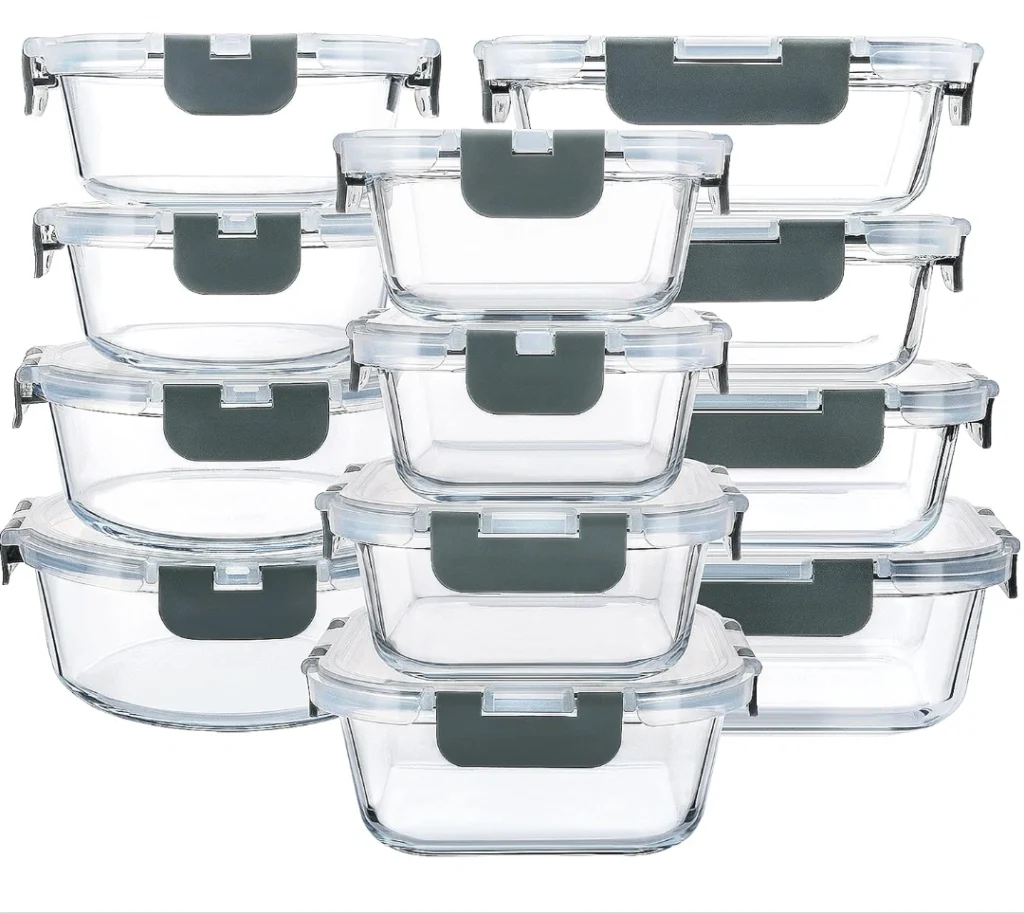
- Leftovers: Vacuum seal or use airtight glass containers
- Bread: Store at room temperature or freeze (never in the fridge—see my Foods You Should Never Store in the Refrigerator guide)
Habit 5: The “Ugly Vegetable” Meal Strategy
In 2026, the zero-waste movement has popularized using “imperfect” produce.
The Method:
- When vegetables start to look slightly wilted or soft, don’t throw them away
- Instead, use them in:
- Soups and stews (where texture doesn’t matter)
- Smoothies (where appearance doesn’t matter)
- Stir-fries (high heat revives texture)
- Stocks (stems, cores, and peels become flavorful broth)
The Result: Zero vegetables go to waste.
Habit 6: Make Vegetable Stock from Scraps
This is the ultimate answer to how to reduce kitchen waste in the kitchen.
The 2026 Method:
- Keep a freezer bag labeled “Stock Scraps”
- Every time you cut vegetables, add the trimmings (onion skins, carrot tops, celery ends, herb stems)
- When the bag is full, simmer everything in water for 45 minutes
- Strain and use as a base for soups, risottos, or sauces
The Savings: You eliminate the need to buy boxed stock ($3-$5 per carton) and waste zero vegetable scraps.
Habit 7: The “Leftover Transformation” Strategy
Leftovers are not a punishment—they are a head start.
The 2026 Method:
- Leftover Roasted Chicken → Chicken soup, chicken tacos, or chicken fried rice
- Leftover Rice → Fried rice, rice bowls, or stuffed peppers
- Leftover Roasted Vegetables → Frittata, pasta, or grain bowls
- Leftover Bread → Croutons, bread pudding, or breadcrumbs
The Rule: Never see leftover ingredients as “just leftovers.” See them as the foundation of tomorrow’s meal.
Related Guide: See my Air Fryer Recipes for Beginners for the best leftover reheating techniques.
Habit 8: Compost What You Can’t Use
Even in a zero-waste kitchen, some scraps are unavoidable. This is where composting becomes essential to how to reduce kitchen waste.
What to Compost:
- Fruit and vegetable scraps
- Coffee grounds and filters
- Tea bags (remove staples)
- Eggshells
- Bread and grains
The 2026 Method:
- Use a countertop compost bin for daily scraps
- Transfer to an outdoor composter weekly
- Use finished compost in your garden (or donate to a community garden)
The Result: Zero food goes to landfill.
Habit 9: Buy in Bulk (The Right Way)
Bulk buying reduces packaging waste AND saves money—but only if done correctly.
The Smart Bulk Buying Rules:
- Only buy items you use regularly in large quantities
- Store bulk items properly immediately (transfer to airtight containers)
- Label everything with the purchase date
- Use the FIFO system (Habit 1)
Best Items to Buy in Bulk:
- Grains (rice, quinoa, oats)
- Dried legumes (lentils, chickpeas)
- Spices and herbs
- Nuts and seeds
Related Guide: See my How to Organize a Small Pantry on a Budget for bulk storage strategies.
Habit 10: Switch to Reusable Kitchen Essentials
The final step in how to reduce kitchen waste is eliminating single-use items.
The 2026 Sustainable Swaps:
- Paper Towels → Reusable Microfiber Cloths (see my How Often Should You Replace Kitchen Towels guide)
- Plastic Bags → Silicone Reusable Bags
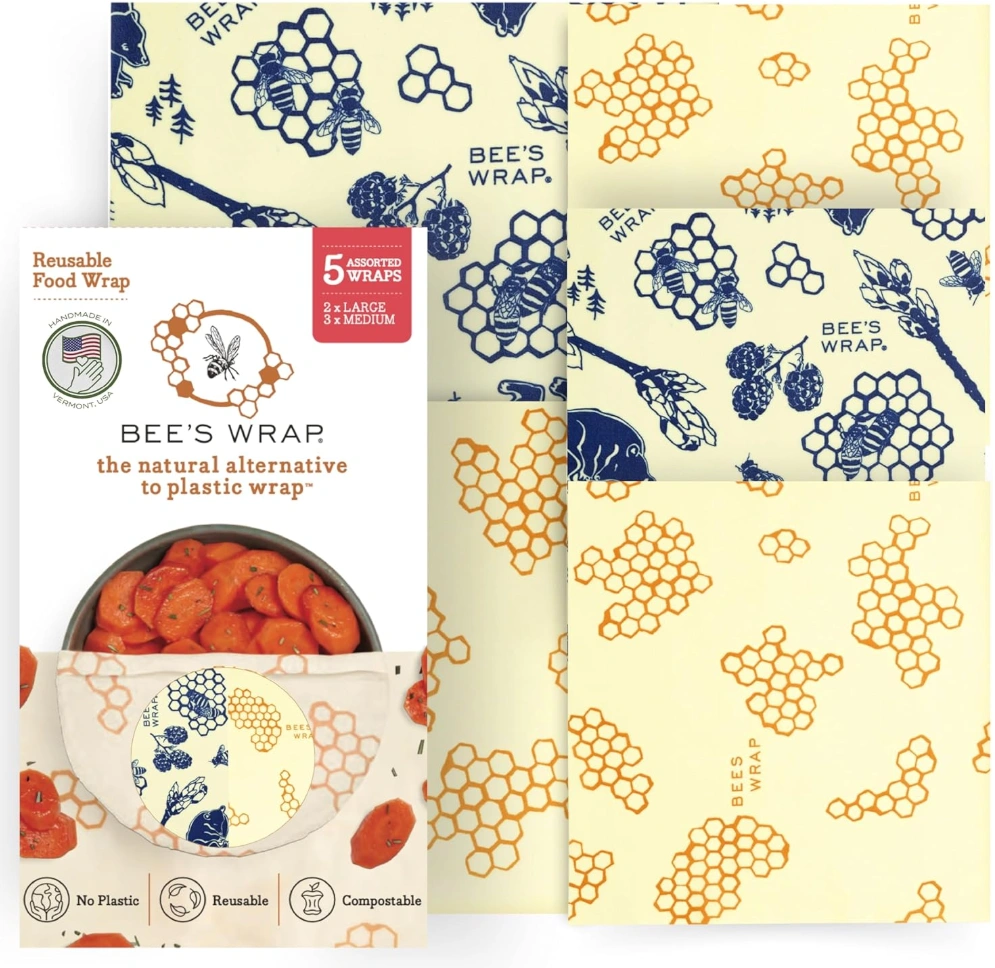
- Plastic Wrap → Beeswax Wraps
- Disposable Sponges → Silicone Scrubbers
- Plastic Containers → Glass Storage Containers
The Financial Win: These one-time purchases save hundreds of dollars annually on disposable products.
Waste Reduction Impact Table
| Habit | Annual Money Saved | Difficulty | Impact Level |
|---|---|---|---|
| Meal Planning | $400-$600 | Moderate | Very High |
| Correct Storage | $200-$400 | Low | High |
| Leftover Transformation | $150-$300 | Low | High |
| Vegetable Stock | $100-$200 | Low | Moderate |
| Composting | $50-$100 | Moderate | Environmental |
| Reusable Products | $100-$200 | Very Low | High |
Sarah’s Final Advice
Learning how to reduce kitchen waste is one of the most financially rewarding habits you can develop in 2026. By combining smart storage, meal planning, and creative cooking, you can cut your grocery bill significantly while building a more sustainable kitchen.
For more efficiency strategies, check out my Smart Kitchen Organization Hacks or see my 1-Hour Meal Prep System for the ultimate waste-reduction cooking workflow.
Shop the Zero-Waste Kitchen: Sarah’s Eco-Essentials
1. Beeswax Food Wraps (Reusable, 6-Pack)
Replace plastic wrap with these sustainable, reusable wraps. They’re washable and last for a full year of regular use.
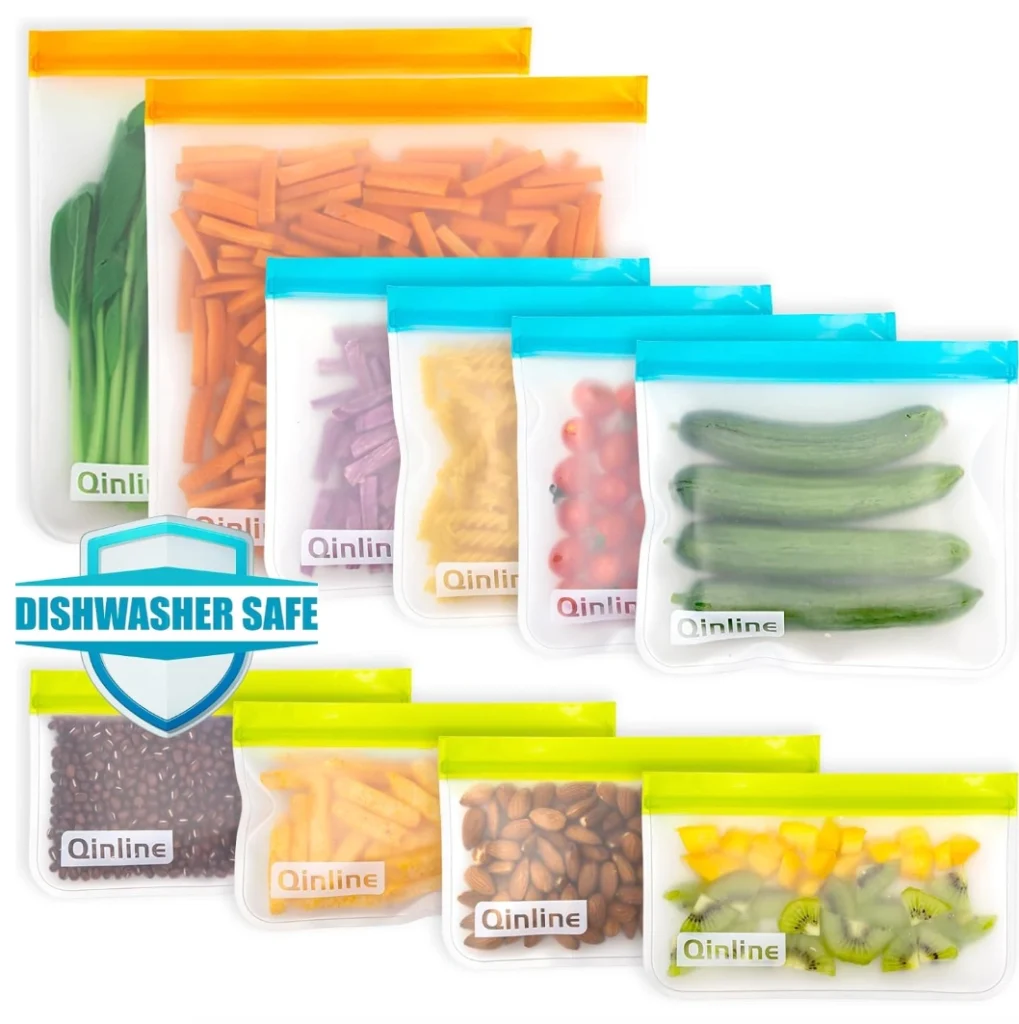
2. Silicone Reusable Storage Bags (Set of 10)
Replace single-use plastic bags with these airtight, dishwasher-safe silicone bags. Perfect for storing everything from produce to leftovers.
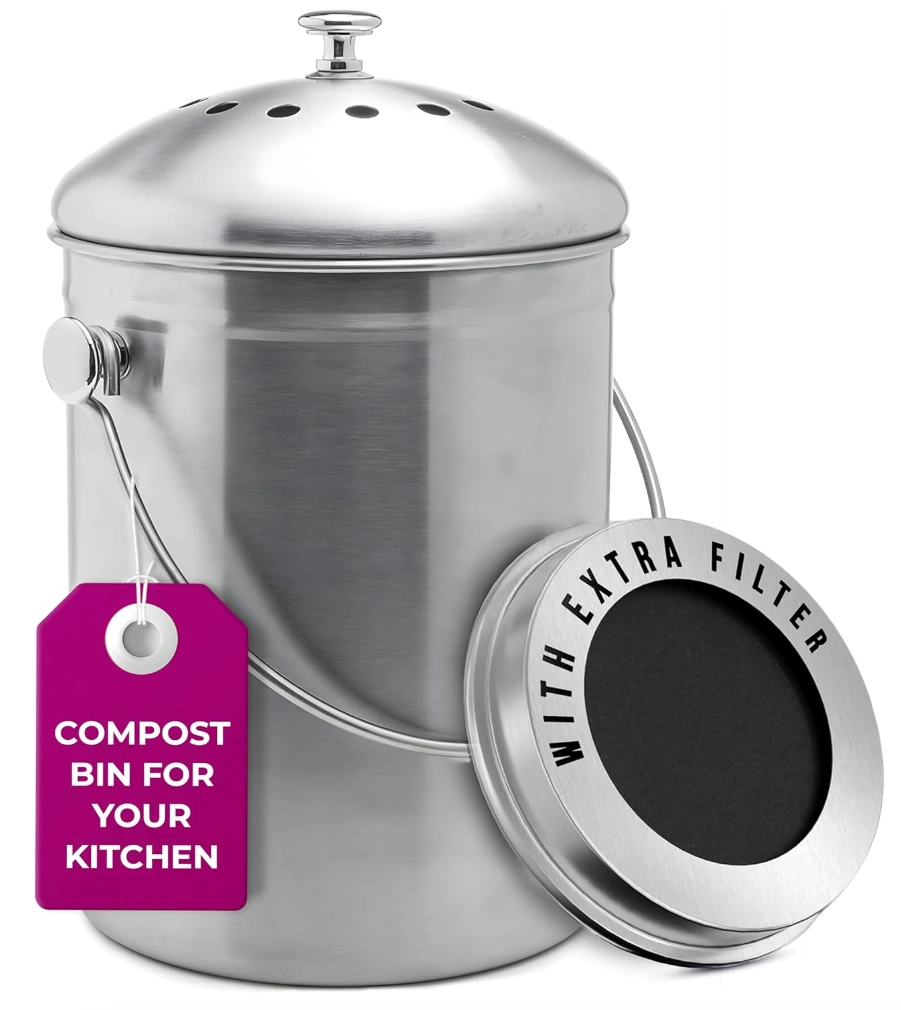
3. Countertop Compost Bin (Stainless Steel)
This odor-free, 1.3-gallon bin sits on your counter and collects daily scraps for transfer to an outdoor composter.
4. Glass Storage Containers (20-Piece Set)
The ultimate switch from plastic. These airtight glass containers are microwave-safe, freezer-safe, and never absorb odors.