If you’ve ever eaten something and then nervously checked the expiration date, or found yourself wondering whether that yogurt from last week is still safe, you’re asking one of the most important food safety questions in modern kitchens: what happens if you eat expired food? The answer is more nuanced than most people realize—and understanding it could save you from unnecessary food waste as well as genuine health risks.
As a kitchen efficiency expert based in Austin, I’ve dedicated significant research to understanding food safety timelines. In my How Long Does Cooked Chicken Last in the Fridge and How Long Does Cooked Rice Last in the Fridge guides, I explore specific food timelines. Now, let’s tackle the broader question of what happens if you eat expired food across all food categories.
Here is my professional guide on what happens if you eat expired food, including the science behind expiration dates, the symptoms of food poisoning, and a food-by-food safety breakdown.
Table of Contents

The Truth About Expiration Dates
Before we answer what happens if you eat expired food, we need to understand that most expiration dates are NOT about safety—they’re about quality.
The Four Types of Date Labels:
1. “Best By” or “Best If Used By”
- Meaning: The manufacturer’s estimate of when the product is at its BEST quality
- Safety Implication: NOT a safety date. Food is usually safe to eat after this date
- Example: Crackers, canned goods, cereals
2. “Sell By”
- Meaning: Tells the store when to remove the product from shelves
- Safety Implication: NOT a safety date for consumers. Usually safe for 1-7 days after
- Example: Milk, deli meats, yogurt
3. “Use By”
- Meaning: The manufacturer’s recommendation for last day of safe consumption
- Safety Implication: This IS the closest thing to a true safety date
- Example: Ready-to-eat meats, some dairy products
4. “Freeze By”
- Meaning: Recommendation for when to freeze for best quality
- Safety Implication: Not a safety date—food can still be eaten after this date if not frozen
The Key Insight: The USDA states that food products displaying “Best By” dates are often perfectly safe to consume after that date, as long as they’ve been stored properly and show no signs of spoilage.
What Happens If You Eat Expired Food: The Spectrum of Outcomes
The answer to what happens if you eat expired food ranges from “absolutely nothing” to “serious illness” depending on the food type, how far past the date it is, and how it was stored.
Outcome 1: Nothing Happens (Most Common)
For most “Best By” dated products consumed shortly after the date, nothing harmful will happen. The food may taste slightly less fresh or have a different texture, but it poses no health risk.
Foods Where This is Usually True:
- Canned goods (1-5 years past date)
- Dried pasta and rice (1-2 years past date)
- Crackers and cookies (1-3 months past date)
- Frozen foods (6-12 months past date)
- Hard cheeses (1-4 weeks past date)
Outcome 2: Digestive Discomfort (Moderate Risk)
Slightly spoiled food that isn’t technically “dangerous” can still cause mild digestive upset as your body reacts to changed compounds.
Symptoms:
- Mild nausea
- Bloating
- Stomach discomfort
- Loose stools
Foods Where This Can Occur:
- Milk (3-7 days past date)
- Yogurt (1-3 weeks past date)
- Soft cheeses (1-2 weeks past date)
Outcome 3: Food Poisoning (Serious Risk)
This is the scenario most people fear when asking what happens if you eat expired food. True food poisoning occurs when harmful bacteria have multiplied to dangerous levels.
The Symptoms of Food Poisoning:
- Nausea and vomiting (within 1-6 hours)
- Diarrhea (within 6-24 hours)
- Stomach cramps
- Fever (in bacterial cases)
- Headache
- Muscle aches
Duration: Most cases resolve within 24-48 hours, but severe cases can last 1-2 weeks.
Foods with Highest Food Poisoning Risk:
- Raw or undercooked meat and poultry
- Raw seafood
- Unpasteurized dairy products
- Ready-to-eat deli meats
- Raw eggs
Related Guide: See my How to Tell If Chicken Is Bad guide for specific protein safety checks.
Food-by-Food Expired Safety Guide
This is the most important section for answering what happens if you eat expired food across specific categories:
Dairy Products
| Product | Past “Best By” | Risk Level | Notes |
|---|---|---|---|
| Milk | 1 week | Low-Moderate | Smell test is reliable |
| Yogurt | 1-3 weeks | Low | Look for mold only |
| Hard Cheese | 3-4 weeks | Very Low | Cut off mold if present |
| Soft Cheese | 1 week | Moderate | Discard if any mold |
| Butter | 1-3 months | Very Low | May taste rancid but not dangerous |
Proteins
| Product | Past “Use By” | Risk Level | Notes |
|---|---|---|---|
| Raw Chicken | 0 days | VERY HIGH | Never eat past use by |
| Raw Beef | 1-2 days | High | Smell and color test |
| Deli Meats | 3-5 days | High | Listeria risk |
| Canned Tuna | 3-5 years | Very Low | Check for bulging cans |
| Eggs | 3-5 weeks | Low | Float test is reliable |
Dry Goods
| Product | Past “Best By” | Risk Level | Notes |
|---|---|---|---|
| Dry Pasta | 1-2 years | Very Low | May cook differently |
| Rice (dry) | 1-2 years | Very Low | Check for insects |
| Flour | 6-12 months | Very Low | May smell rancid |
| Canned Goods | 1-5 years | Very Low | Check for bulging/rust |
| Crackers | 1-3 months | Very Low | May be stale |
Condiments
| Product | Past “Best By” | Risk Level | Notes |
|---|---|---|---|
| Ketchup | 6 months | Very Low | May separate |
| Mustard | 1 year | Very Low | Quality decreases |
| Mayonnaise | 2-3 months | Moderate | High fat = rancidity risk |
| Hot Sauce | 1-2 years | Very Low | Vinegar preserves well |
| Soy Sauce | 1-2 years | Very Low | Salt preserves well |
The “Float Test” for Eggs (A Reliable Safety Check)
One of the most reliable tools for answering what happens if you eat expired food specifically for eggs is the float test:
The 2026 Method:
- Fill a bowl with cold water
- Gently place the egg in the water
The Results:
- Sinks and lies flat: Very fresh (under 1 week old)
- Sinks but stands upright: Still safe to eat (1-3 weeks old)
- Floats: Discard immediately (air pocket has grown too large, bacteria present)
Why It Works: As eggs age, moisture and carbon dioxide escape through the porous shell, creating an air pocket. The larger the air pocket, the more the egg floats.
Warning Signs That Make Expired Food Dangerous
Regardless of the date, these warning signs answer what happens if you eat expired food with a clear “throw it away immediately”:
- Unusual odor: If it smells wrong, it IS wrong
- Visible mold: With the exception of hard cheeses (where you can cut away 1 inch around the mold), discard moldy food
- Slimy texture: Especially in meats and produce—biofilm formation indicates dangerous bacterial levels
- Bulging or damaged packaging: Especially in canned goods (indicates Clostridium botulinum risk)
- Off colors: Green meat, pink fish, gray chicken
When to Seek Medical Attention
Most cases of mild food poisoning resolve on their own, but you should seek medical attention immediately if you experience:
- High fever (over 101.5°F / 38.6°C)
- Bloody diarrhea or vomit
- Severe dehydration (no urination for 8+ hours, extreme thirst)
- Neurological symptoms (blurred vision, muscle weakness, tingling)
- Symptoms lasting more than 3 days
Vulnerable populations (elderly, pregnant, immunocompromised, and young children) should seek medical attention sooner for any food poisoning symptoms.
The “When In Doubt, Throw It Out” Rule
The most important principle in answering what happens if you eat expired food is that food safety is never worth gambling with. The cost of throwing away a $3 container of yogurt is infinitely less than the cost of a hospital visit or days of illness.
The Professional Assessment Method:
- Check the date label type: “Best By” (usually safe) vs “Use By” (stricter guideline)
- Assess storage conditions: Was it refrigerated properly throughout its life?
- Apply the senses test: Smell, look, and feel the food
- Consider the food category: High-risk proteins vs. low-risk canned goods
- When in doubt: Throw it out
How to Reduce Expired Food Waste
Now that you understand what happens if you eat expired food, the next step is reducing how often food expires before you use it:
- FIFO System: First In, First Out—always use older items first (see my How to Organize a Refrigerator for Maximum Freshness guide)
- Proper Storage: See my How to Keep Strawberries Fresh Longer and How to Keep Lettuce Fresh Longer guides
- Meal Planning: Only buy what you’ll use within the expiration window
- Vacuum Sealing: Extends shelf life dramatically (see my Best Vacuum Sealers 2026 guide)
- Freezing: The ultimate expiration preventer (see my [How to Defrost Chicken Safely] guide)
Sarah’s Final Advice
Understanding what happens if you eat expired food requires nuance rather than blanket rules. Most “Best By” dates are quality indicators, not safety deadlines. However, “Use By” dates on high-risk proteins and ready-to-eat foods should be respected strictly.
Your best tools are always your senses—smell, sight, and texture. Combined with knowledge of which foods carry the highest risk, you can confidently navigate expiration dates while minimizing both food waste and health risks.
For more food safety guides, check out my How to Tell If Chicken Is Bad or see my Can You Refreeze Thawed Chicken guide.
Shop the Safety: Sarah’s Food Safety Essentials
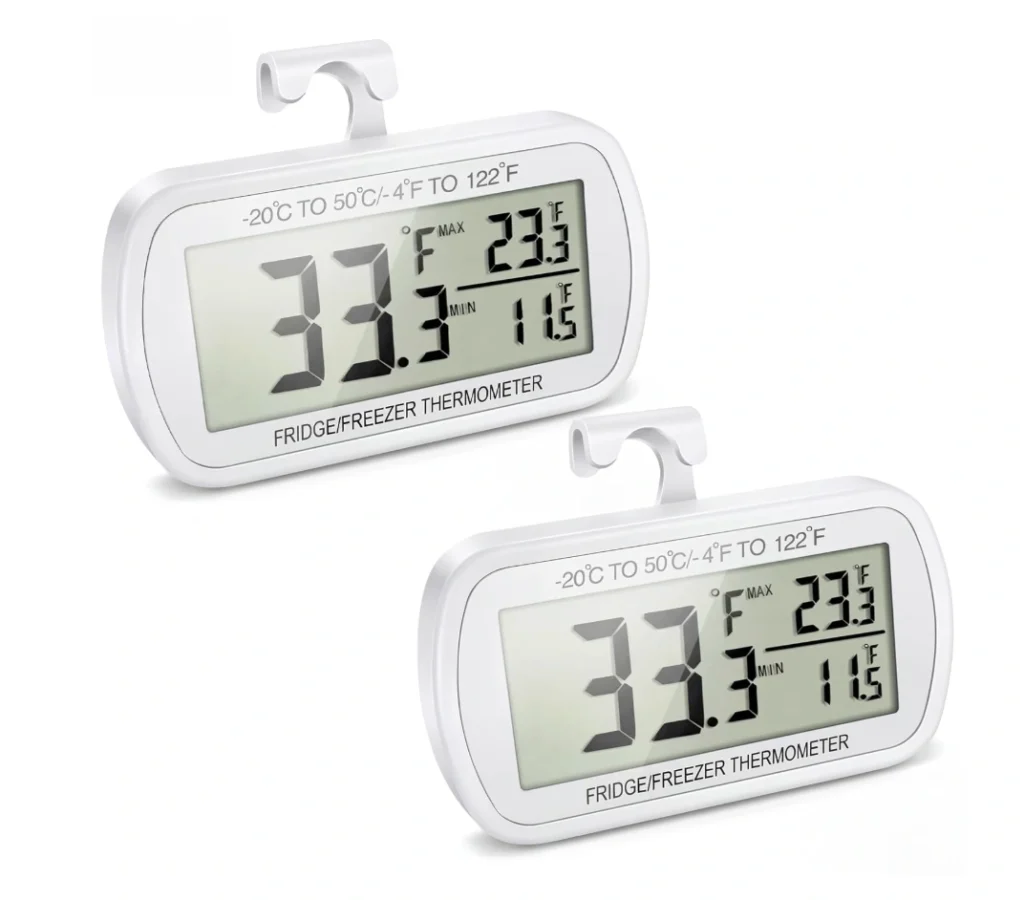
1. Digital Refrigerator Thermometer (Dual Zone)
Ensure your fridge is maintaining the safe 40°F or below. A warm fridge dramatically shortens the safe window for ALL foods.
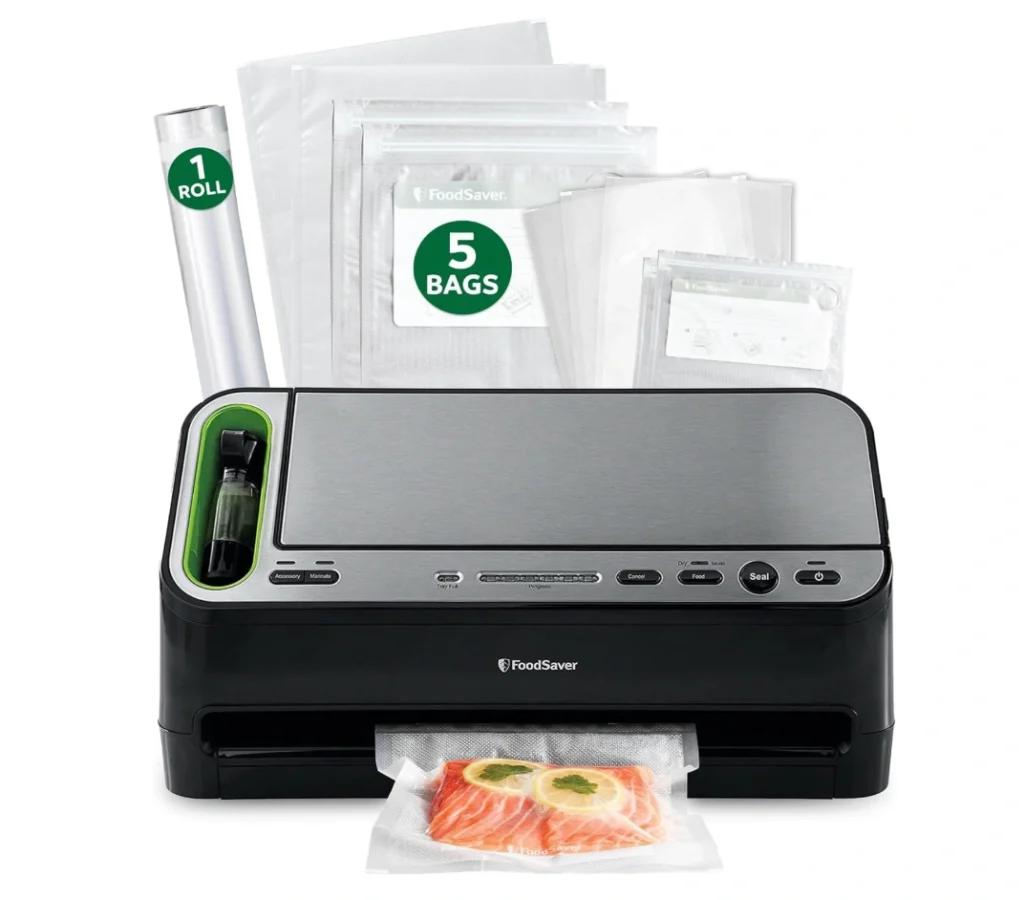
2. FoodSaver Vacuum Sealer System
The single best way to prevent food from expiring before you can use it. Extends shelf life by 3-5x across all food categories.
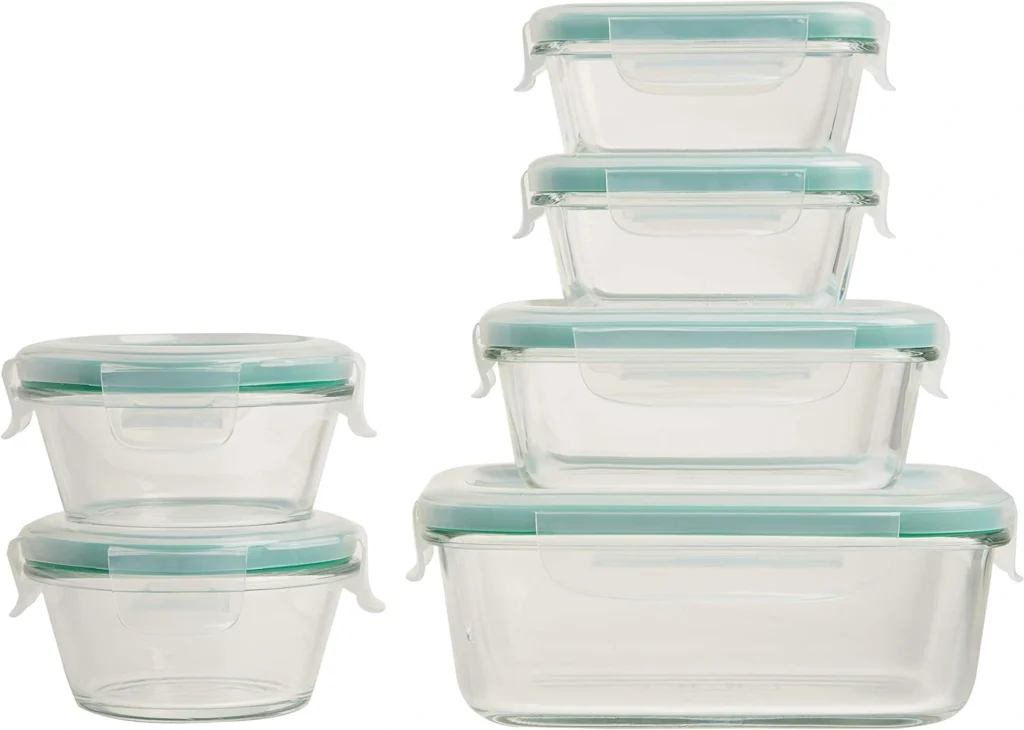
3. OXO Good Grips Airtight Food Storage Set
Proper containers are the foundation of food longevity. These airtight containers significantly extend the life of opened packages.