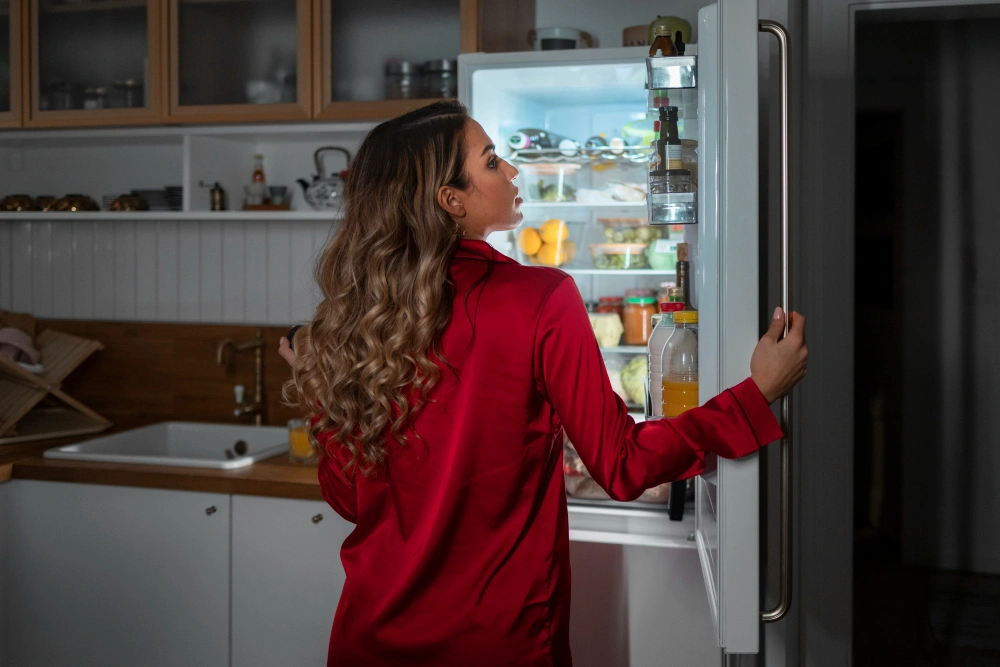
If you’re like most people, you probably assume that the refrigerator is the safest place for all your fresh groceries. However, if you’re wondering about foods you should never store in the refrigerator, the truth might surprise you. In 2026, food scientists continue to warn that certain items actually spoil faster or lose their flavor when kept cold.
As a kitchen efficiency expert based in Austin, I view food storage as a science. Proper placement isn’t just about freshness—it’s about maximizing flavor, texture, and nutritional value. Understanding foods you should never store in the refrigerator is a key part of reducing waste and building an efficient cuisine.
Here is the professional breakdown of the top 5 items that should stay out of your fridge.
Table of Contents
1. Tomatoes (The Flavor Killer)
This is the #1 item on the list of foods you should never store in the refrigerator.
- The Problem: Cold temperatures halt the ripening process and break down the cell walls, turning tomatoes mealy and flavorless.
- The Science: Tomatoes contain volatile compounds that give them their signature aroma. Below 50°F (10°C), these compounds stop forming, resulting in a bland, watery taste.
- The 2026 Fix: Store tomatoes stem-side down on your countertop, away from direct sunlight. Once they’re fully ripe, you can refrigerate them for 1-2 days to extend their life—but always bring them back to room temperature before eating.
2. Bread (The Staleness Accelerator)
If you’re asking about foods you should never store in the refrigerator, bread is a classic mistake.
- The Problem: Refrigeration causes the starch molecules in bread to recrystallize, making it go stale up to 6 times faster than bread stored at room temperature.
- The Science: This process, called “retrogradation,” is why refrigerated bread feels dry and tough even though it’s not moldy.
- The 2026 Fix: Store bread in a bread box or a sealed plastic bag at room temperature for up to 4 days. For long-term storage, freeze it immediately. See my [How Long Does Cooked Chicken Last in the Fridge] guide for more storage science.
3. Onions (The Moisture Trap)
Whole, uncut onions are high on the list of foods you should never store in the refrigerator.
- The Problem: The cold, humid environment of the fridge causes onions to soften, sprout, and develop mold.
- The Science: Onions need airflow to stay fresh. The lack of circulation in a fridge drawer accelerates decomposition.
- The 2026 Fix: Store onions in a cool, dry, well-ventilated area like a pantry or a hanging mesh bag. Keep them away from potatoes—potatoes release moisture and gases that cause onions to spoil faster.
4. Honey (The Crystallization Problem)
If you’re wondering about foods you should never store in the refrigerator, honey is a surprising entry.
- The Problem: Cold temperatures cause honey to crystallize and become thick and grainy.
- The Science: Honey is naturally antibacterial and has an indefinite shelf life at room temperature. It doesn’t need refrigeration to stay safe.
- The 2026 Fix: Store honey in a sealed jar in your pantry. If it does crystallize, simply place the jar in warm water to return it to its liquid state.
5. Potatoes (The Sweetness Issue)
Whole potatoes are a critical item on the foods you should never store in the refrigerator list.
- The Problem: Cold temperatures convert the starch in potatoes into sugar, giving them an unpleasant sweet taste and causing them to turn dark when cooked.
- The Science: Below 45°F (7°C), the enzyme activity in potatoes accelerates sugar production.
- The 2026 Fix: Store potatoes in a cool, dark, dry place like a basement or a paper bag in a cabinet. Avoid storing them near onions. See my [How to Organize a Small Kitchen Without a Pantry] guide for pantry storage ideas.
Foods You Should Never Store in the Refrigerator: Quick Guide
| Food | Why Not in the Fridge? | Best Storage Location |
|---|---|---|
| Tomatoes | Loss of flavor & texture | Countertop (stem-side down) |
| Bread | Accelerates staleness | Bread box or freezer |
| Onions | Causes sprouting & mold | Pantry (ventilated) |
| Honey | Crystallization | Sealed jar in pantry |
| Potatoes | Converts starch to sugar | Cool, dark cabinet |
Bonus: Foods You Think Don’t Need the Fridge (But Actually Do)
While we’re discussing foods you should never store in the refrigerator, it’s worth mentioning items people incorrectly leave out:
- Maple Syrup (After Opening): Real maple syrup can develop mold at room temperature.
- Nut Butters (Natural, No Preservatives): These can go rancid quickly without refrigeration.
- Eggs (In the USA): Due to processing methods, US eggs must be refrigerated.
Sarah’s Advice: The “Room Temp” Rule
If you’re learning about foods you should never store in the refrigerator, the general rule is: if the item was stored at room temperature at the grocery store, it should stay at room temperature in your home. This applies to most fruits, vegetables, and shelf-stable items.
For more food storage strategies, check out my [How to Organize a Refrigerator for Maximum Freshness] or see my [Why Is My Vacuum Sealed Food Spoiling] guide.
Shop the Storage: Sarah’s Pantry Essentials
Ready to optimize your food storage? These are the three essentials I use in my Austin kitchen to keep my pantry organized:
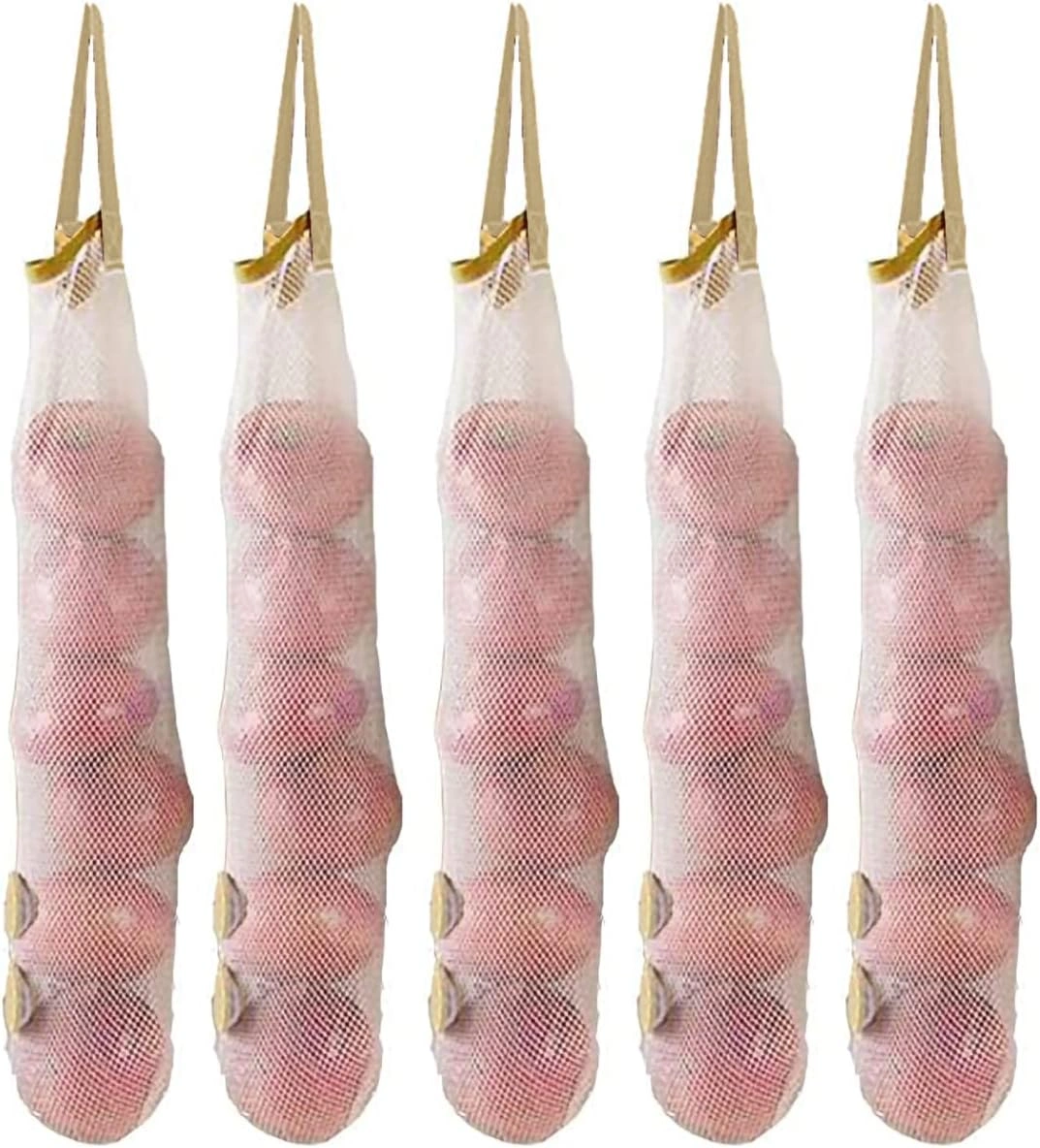
1. Ventilated Produce Bags (Mesh Storage)
Perfect for onions, garlic, and potatoes. These breathable bags prevent moisture buildup and keep your produce fresh for weeks.
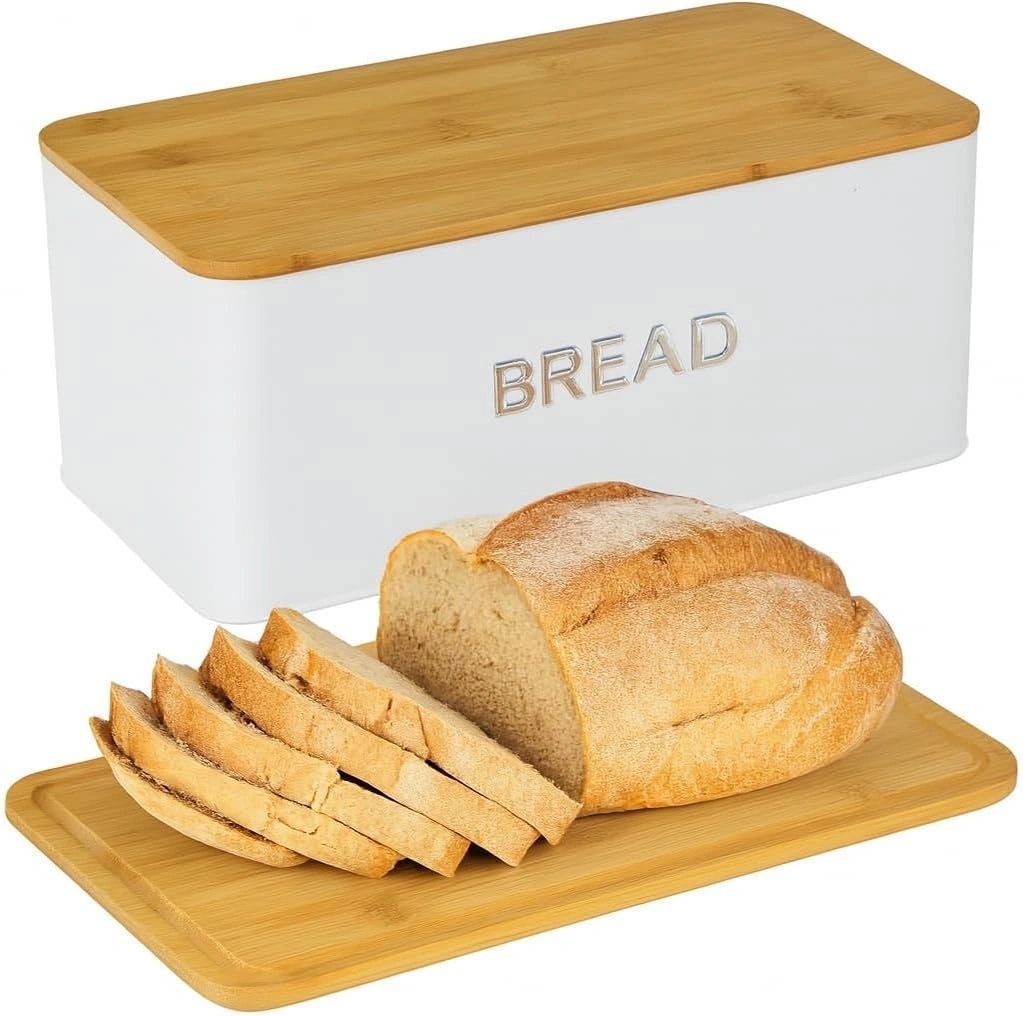
2. Airtight Bread Box with Bamboo Lid
Keep your bread fresh at room temperature without the staleness of the fridge. This eco-friendly box is a staple of my Smart Kitchen Organization Hacks.
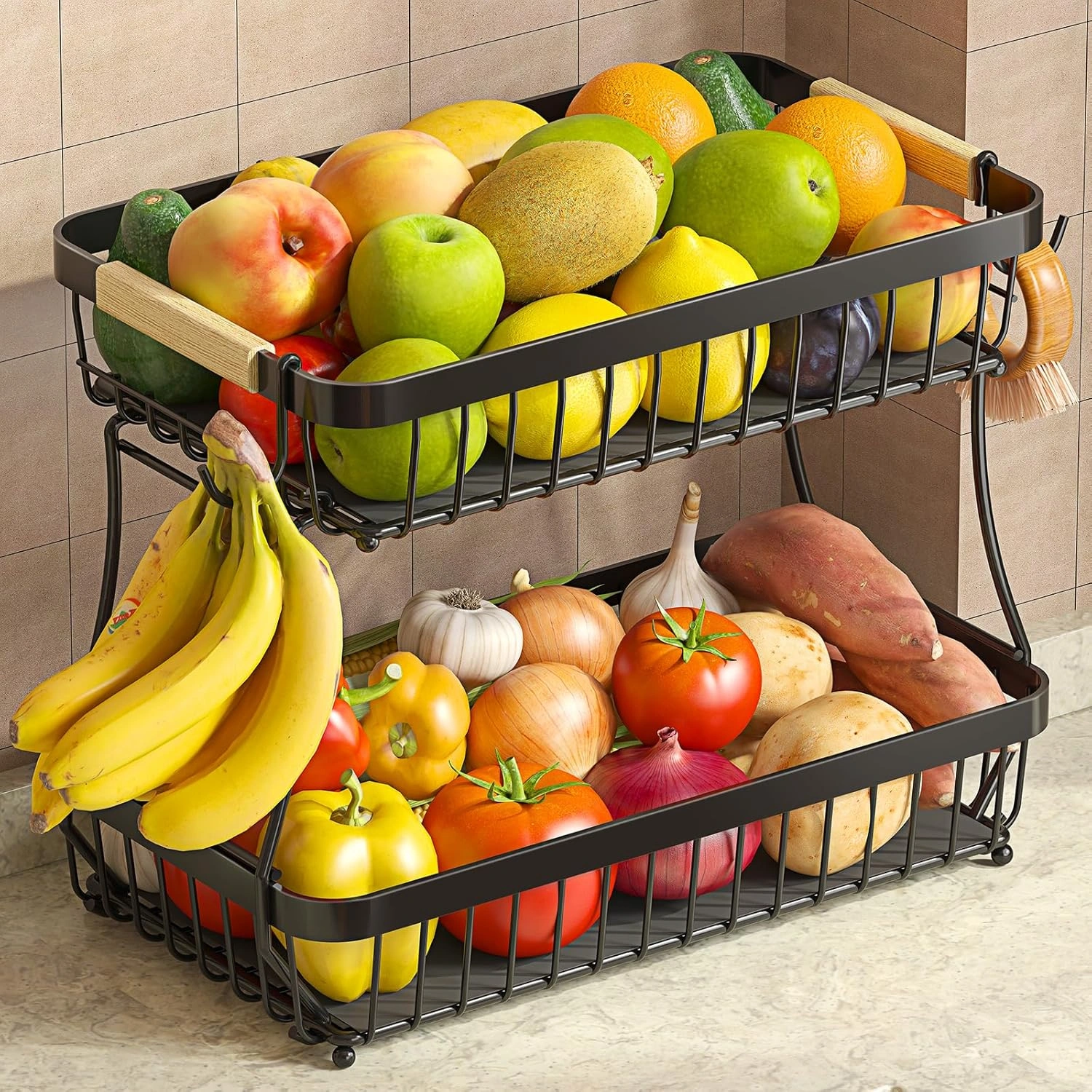
3. Countertop Produce Bowl (Two-Tier)
Store your tomatoes, bananas, and avocados in style. This tiered design maximizes counter space while keeping your produce visible and accessible.