If you’ve pulled chicken from your refrigerator and hesitated before cooking it, wondering if it’s still safe, you’re asking the right question: how to tell if chicken is bad? Chicken is one of the most common sources of foodborne illness in the USA, with Salmonella and Campylobacter being the primary culprits. In 2026, the CDC still reports thousands of cases annually that could have been prevented with proper storage and awareness.
As a kitchen efficiency expert based in Austin, I believe that knowing how to tell if chicken is bad is one of the most important food safety skills you can master. It protects your family and prevents you from wasting money by throwing away perfectly good chicken unnecessarily.
Here is my professional guide on how to tell if chicken is bad using your senses and USDA guidelines.
Table of Contents
The 5 Warning Signs: How to Tell If Chicken Is Bad
1. The Smell Test (The Most Reliable)
This is the #1 indicator for how to tell if chicken is bad.
What to Look For:
- Fresh Chicken: Has a very mild, neutral smell or no smell at all.
- Bad Chicken: Smells sour, ammonia-like, or distinctly “rotten.”
The 2026 Rule: If the chicken smells anything other than neutral, do not cook it. Even if the expiration date hasn’t passed, trust your nose. Bacteria produce gases as they multiply, and these gases create the foul odor.
Pro Tip: Always smell chicken as soon as you open the package. If you’ve been handling it and can’t tell if the smell is from your hands or the meat, rinse your hands and smell again.
2. The Color Check
Color is a good secondary test for how to tell if chicken is bad.
What to Look For:
- Fresh Chicken: Pink or light peachy color with white or light yellow fat.
- Questionable: Slightly gray (this can happen due to lack of oxygen in vacuum-sealed packaging—not always dangerous).
- Bad Chicken: Dark gray, greenish, or has visible dark spots or patches.
The Exception: If chicken turns slightly gray in the fridge but still smells fine and is within its “use by” date, it might still be safe. However, when in doubt, throw it out.
Related Guide: See my How Long Does Cooked Chicken Last in the Fridge for proper storage timelines.
3. The Texture Test
Touch is another critical factor in how to tell if chicken is bad.
What to Look For:
- Fresh Chicken: Firm to the touch, slightly moist but not slimy.
- Bad Chicken: Slimy, sticky, or tacky surface even after rinsing.
The Science: The slimy coating is a biofilm created by bacteria. This is a clear sign that bacterial colonies have taken over the meat.
The Rule: If the chicken feels slimy after you rinse it with cold water, it’s spoiled. Discard it immediately.
4. Check the “Sell By” and “Use By” Dates
Understanding expiration labels is key to how to tell if chicken is bad.
The 2026 USDA Guidelines:
- “Sell By” Date: This is for the retailer. You can still safely use chicken 1-2 days after this date if it was stored properly at 40°F (4°C) or below.
- “Use By” Date: This is the manufacturer’s recommendation for peak quality. Chicken is usually safe for 1 day past this date if refrigerated correctly.
The Rule: If the chicken is more than 2 days past the “use by” date, apply the smell and texture tests. If it passes both, it’s likely still safe, but cook it immediately.
Related Guide: See my Can You Refreeze Thawed Chicken for freezing timeline safety.
5. Look for Ice Crystals or Freezer Burn (For Frozen Chicken)
If you’re wondering how to tell if chicken is bad when it’s been frozen, check for these signs:
What to Look For:
- Good Frozen Chicken: Solid, with minimal ice crystals, uniform color.
- Freezer Burn: White or grayish-brown dry spots on the surface. This doesn’t mean the chicken is unsafe, but the texture and flavor will be significantly degraded.
- Excessive Ice Crystals: If the chicken is covered in thick ice or frost, it may have been thawed and refrozen, which compromises quality and safety.
The Rule: Freezer-burned chicken is safe to eat but won’t taste good. Trim off the affected areas before cooking.
Safety Checklist: Is Your Chicken Safe to Cook?
| Warning Sign | Fresh Chicken | Spoiled Chicken | Action |
|---|---|---|---|
| Smell | Neutral or no smell | Sour, ammonia-like | Discard |
| Color | Pink/Peachy | Dark gray, green spots | Discard |
| Texture | Firm, slightly moist | Slimy, sticky | Discard |
| Expiration | Within 2 days of date | 3+ days past date | Use smell/texture test |
| Frozen State | Solid, minimal ice | Heavy ice crystals | Safe but quality reduced |
What If You’re Still Not Sure?
If you’re asking how to tell if chicken is bad and you’re genuinely uncertain, follow this rule:
“When in doubt, throw it out.”
Food poisoning from chicken can cause severe illness lasting 3-7 days. The cost of a $10 package of chicken is not worth the risk.
How to Prevent Chicken from Going Bad
Once you understand how to tell if chicken is bad, the next step is prevention:
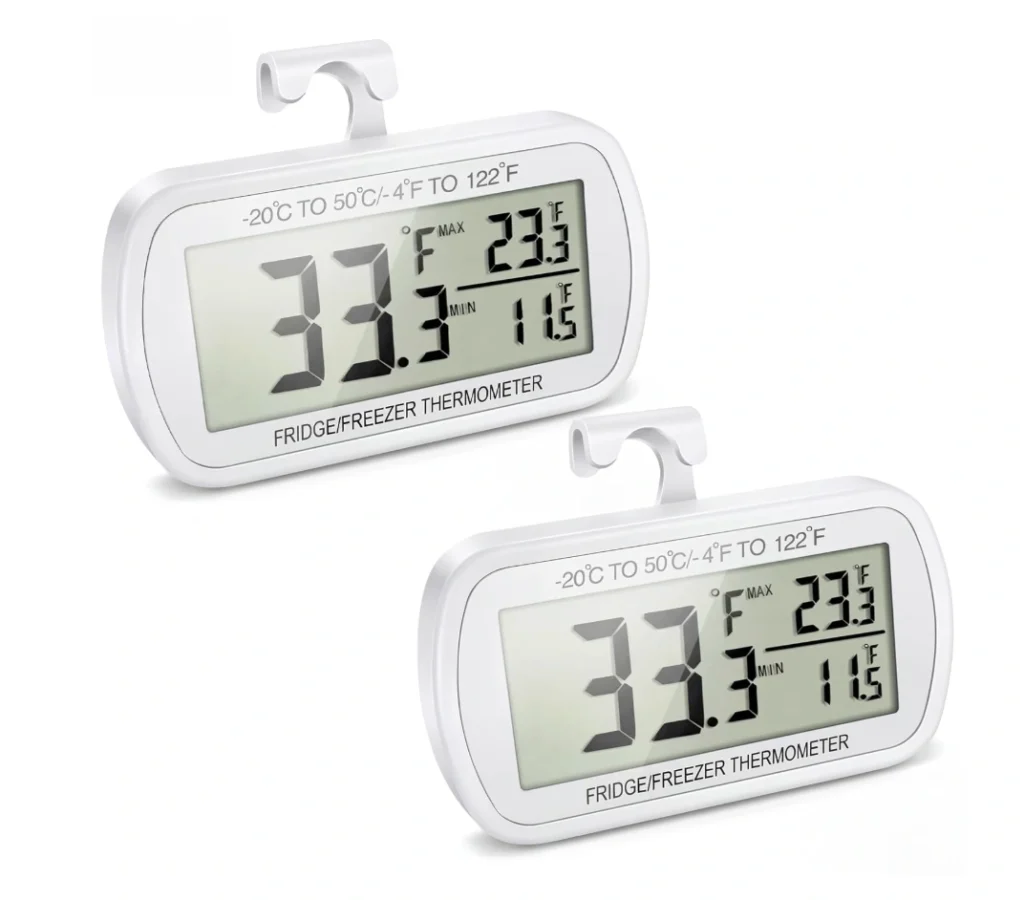
- Store at 40°F or Below: Use a [refrigerator thermometer] to verify your fridge is cold enough.
- Use Within 1-2 Days: Fresh chicken from the store should be cooked or frozen within 48 hours.
- Freeze Immediately: If you won’t cook it within 2 days, freeze it the day you buy it. See my How to Defrost Chicken Safely guide for proper thawing.
- Vacuum Seal: For long-term freezer storage, use a vacuum sealer to prevent freezer burn and extend shelf life to 9-12 months.
Related Guide: See my How to Store Fresh Herbs to Keep Them Fresh Longer for similar preservation strategies.
Sarah’s Final Advice
Mastering how to tell if chicken is bad is about using your senses—smell, sight, and touch—combined with knowledge of safe storage timelines. Never ignore warning signs just because you don’t want to waste money. Your health is worth far more than a few dollars.
For more food safety guidance, check out my 5 Foods You Should Never Store in the Refrigerator or see my Kitchen Appliance Maintenance Guide.
Shop the Safety: Sarah’s Food Storage Essentials
Ready to keep your chicken (and all proteins) safer longer? These are the three tools I use in my Austin kitchen:
1. Digital Refrigerator/Freezer Thermometer
Don’t trust the dial on your old fridge. This dual-sensor thermometer ensures your fridge stays at the safe 40°F or below.
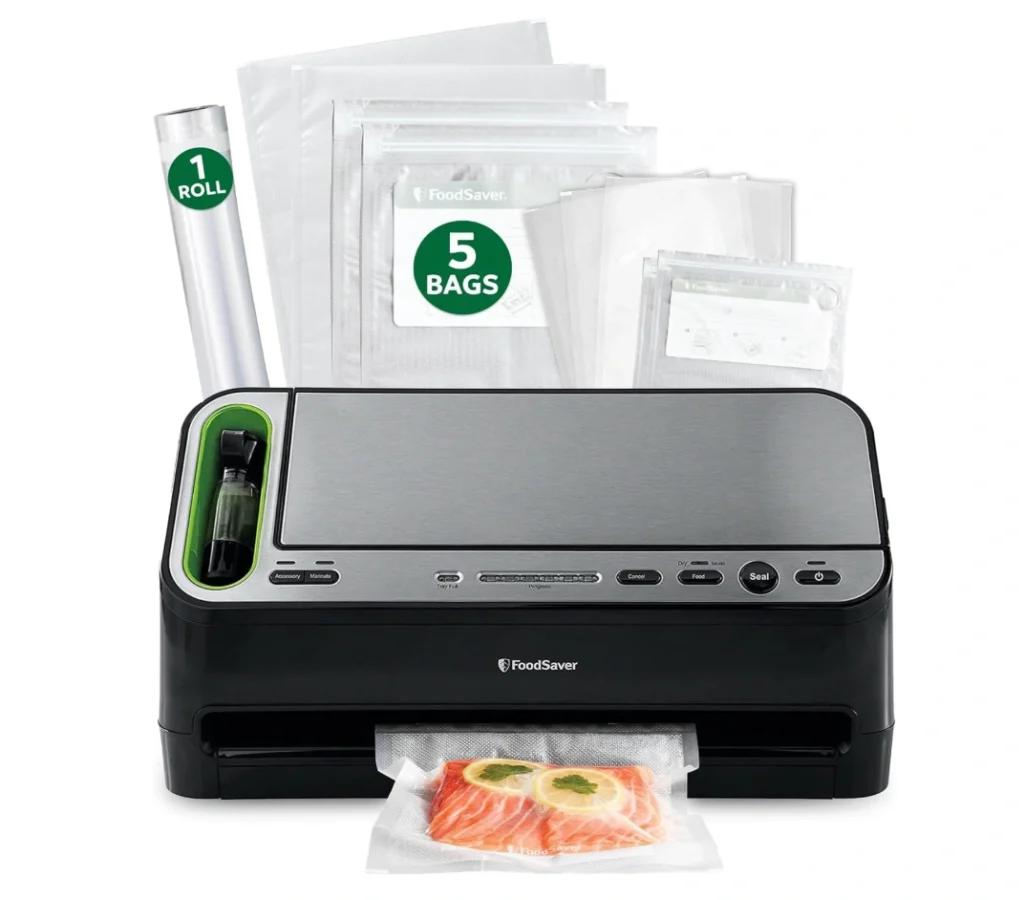
2. Vacuum Sealer System (FoodSaver Compatible)
For freezing chicken safely for months, vacuum sealing prevents freezer burn and keeps meat at peak quality.
3. Glass Meal Prep Containers with Dates
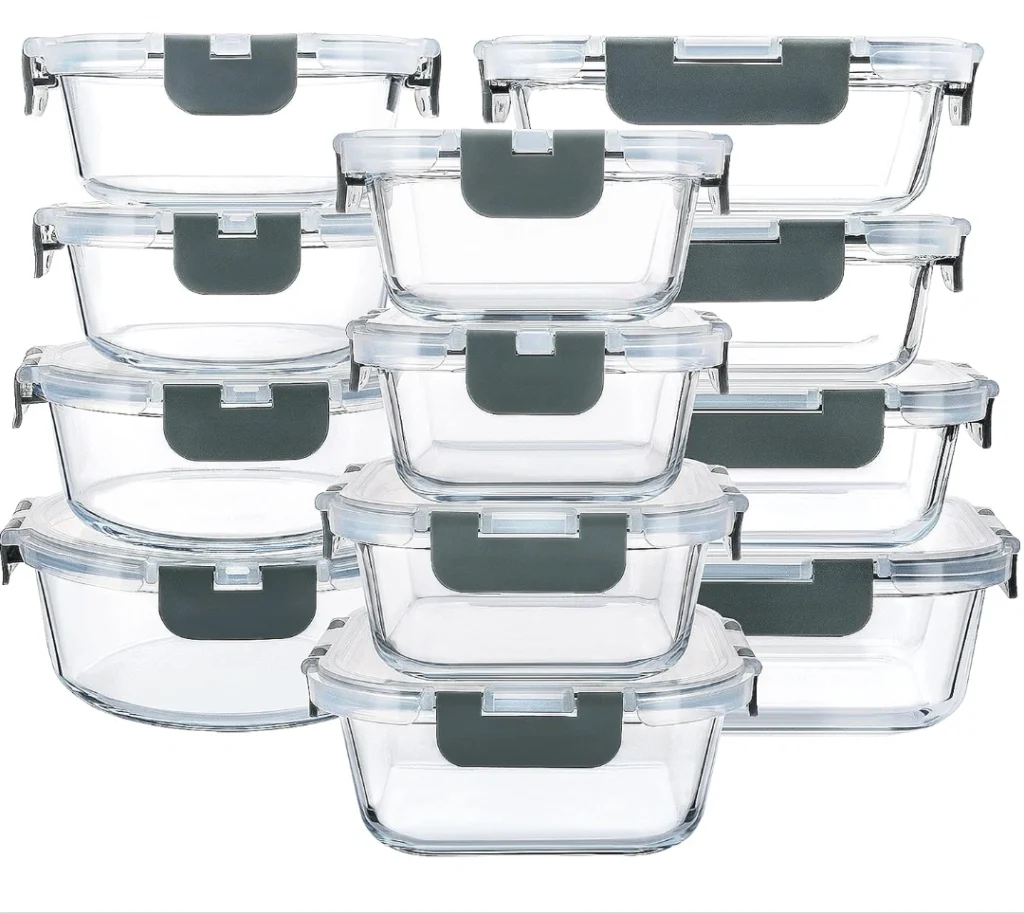
Store your chicken in airtight glass containers and use the included date labels to track “use by” dates accurately.