In 2026, we are investing more than ever in high-tech, AI-sensing kitchen tools. From $500 smart blenders to dual-basket air fryers, our kitchens are filled with sophisticated electronics. However, most people forget that “efficiency” isn’t just about how fast a machine cooks; it’s about how many years that machine stays in service.
Proper kitchen appliance maintenance is the difference between a tool that lasts 10 years and one that ends up in a landfill after 18 months. As I always say in my Austin test kitchen, “Take care of your tools, and your tools will take care of your time.”
Here are my top 7 kitchen appliance maintenance strategies to ensure your smart kitchen remains high-performing for years to come.
Table of Contents
1. Deep Clean Your Air Fryer Heating Element
Most people wipe down the basket, but the heating element (the “coil” at the top) is often ignored. Over time, grease splatters onto this coil, carbonizes, and forces the motor to work harder, eventually causing a burnout.
- Maintenance Tip: Once a month, unplug the unit, turn it upside down, and gently scrub the element with a soft brush and a paste of baking soda and water. This is the #1 air fryer maintenance tip to prevent that “burnt plastic” smell and extend the life of the fan.
2. The “Self-Clean” Blender Myth
High-speed blenders like the ones in our Vitamix vs. Ninja 2026 guide often have a self-clean button. While great for daily use, it doesn’t remove the buildup under the blade assembly.
- Maintenance Tip: Once a week, use a dedicated long-handled brush to clean the underside of the blades. For kitchen appliance maintenance, preventing mineral buildup around the blade seal is critical to avoiding leaks.
3. Descale Your Smart Coffee Systems
If you have a smart espresso machine or coffee maker, the Austin “hard water” (or wherever you live!) is your worst enemy. Calcium buildup slows down the heating element and ruins the flavor profile.
- Maintenance Tip: Don’t wait for the “Descale” light to come on. Use a professional descaling solution every 90 days. This keeps the internal pumps running at maximum efficiency.
4. Calibrate and Clean Your Smart Sensors
Modern 2026 appliances rely on optical or infrared sensors to detect food density. If these sensors get a thin film of grease on them, your “Smart Cook” settings will become inaccurate.
- Maintenance Tip: Use a microfiber cloth with a tiny bit of rubbing alcohol to gently wipe down the internal sensors of your smart oven or air fryer every few weeks. This is a key part of cleaning smart appliances 2026.
5. Check the Door Seals (Gaskets)
Your fridge, dishwasher, and even your smart oven rely on silicone or rubber gaskets to maintain temperature. A cracked or dirty seal forces the appliance to use 30% more energy to maintain heat or cold.
- Maintenance Tip: Wipe your gaskets down with warm soapy water once a month. If you see a crack, replace the seal immediately. It’s a $20 fix that saves a $2,000 appliance.
6. Sharpen Your Blades (Mechanical Maintenance)
This applies to your Fullstar Vegetable Chopper and your blender. Dull blades force you to apply more pressure, which eventually cracks the plastic housing or wears out the motor.
- Maintenance Tip: While you can’t sharpen blender blades easily, you can ensure they are never “fighting” frozen solid blocks. Always add a bit of liquid first to reduce the initial torque-shock on the motor.
7. Firmware Updates (The 2026 Tech Aspect)
It sounds strange, but kitchen appliance maintenance in 2026 includes software. Manufacturers often release updates that optimize how the motor runs or how the AI handles heat.
- Maintenance Tip: Check your appliance app once a month for firmware updates. These updates can literally “fix” a motor that is running too hot, extending its life via code.
Sarah’s Appliance Maintenance Schedule
| Appliance | Task | Frequency |
|---|---|---|
| Air Fryer | Heating Element Scrub | Monthly |
| Blender | Deep Blade Clean | Weekly |
| Coffee Maker | Descaling Cycle | Every 3 Months |
| Smart Oven | Sensor Wipe-Down | Bi-Weekly |
| All Units | Firmware Update Check | Monthly |
Sarah’s Maintenance Toolkit: Shop the Essentials
Maintaining a high-tech kitchen doesn’t require expensive tools, but it does require the right tools. These are the four items I keep in my Austin kitchen to ensure every piece of gear on EfficientCuisine.com stays in peak condition.
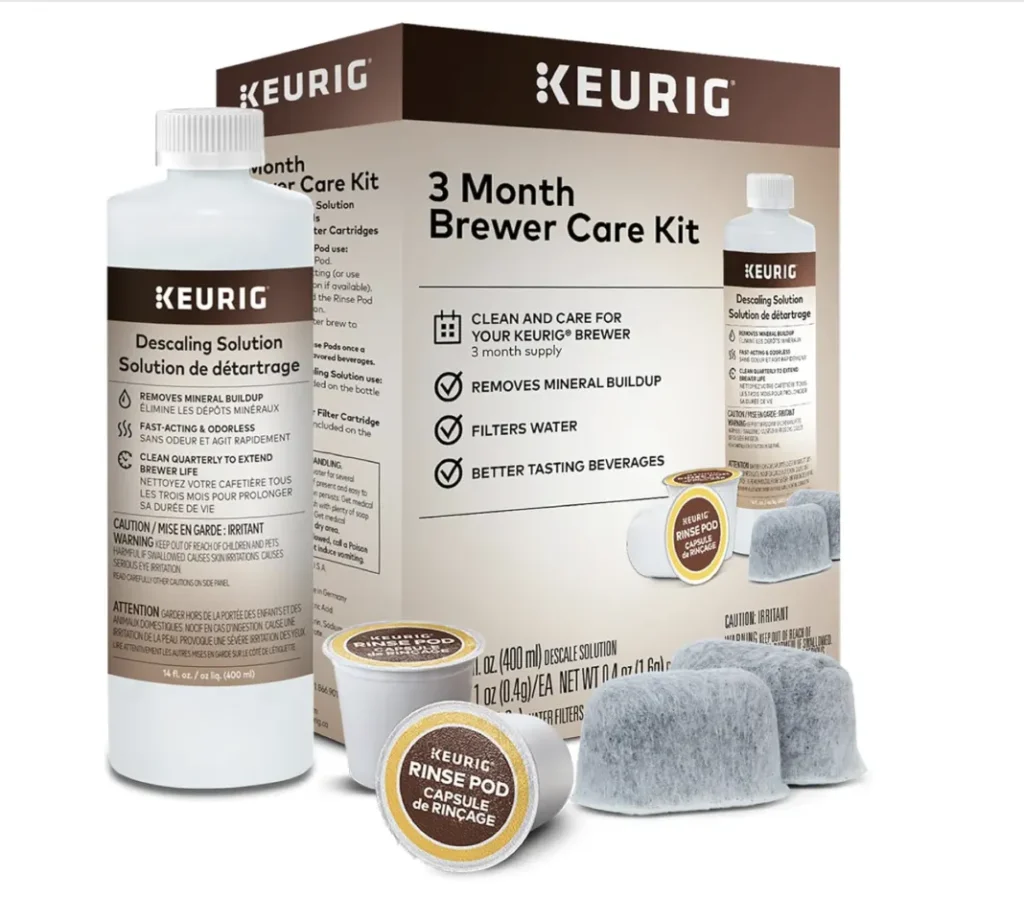
1. Professional Universal Descaling Solution
Whether you have a smart espresso machine or a classic drip maker, calcium buildup is the #1 appliance killer. I recommend a universal citric-acid-based descaler. It’s safer and more effective than vinegar for sensitive 2026 internal sensors and heating elements.
- Best for: Coffee makers, kettles, and steam ovens.
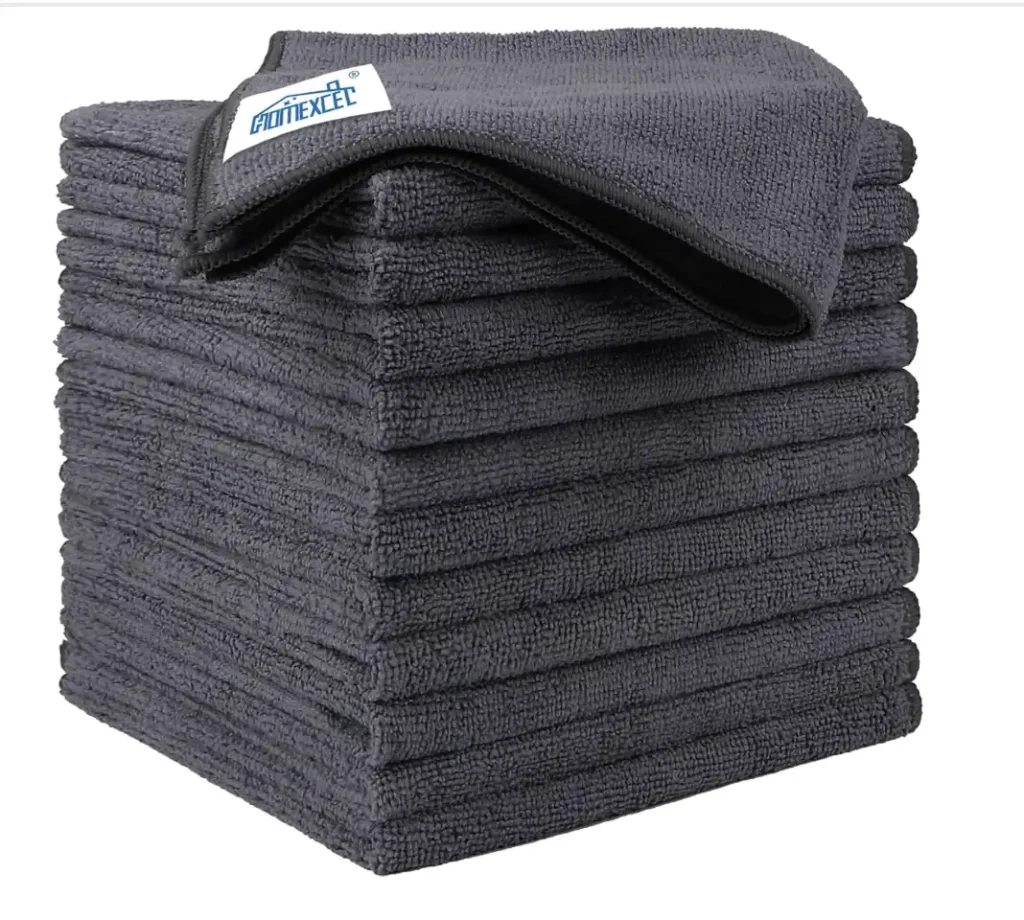
2. Ultra-Fine Microfiber Sensor Cloths
In 2026, our appliances are covered in touchscreens and optical sensors. Standard paper towels can scratch these surfaces over time. These high-density microfiber cloths are designed to remove grease and fingerprints without the need for harsh chemicals.
- Best for: Smart oven screens, air fryer interfaces, and fridge displays.
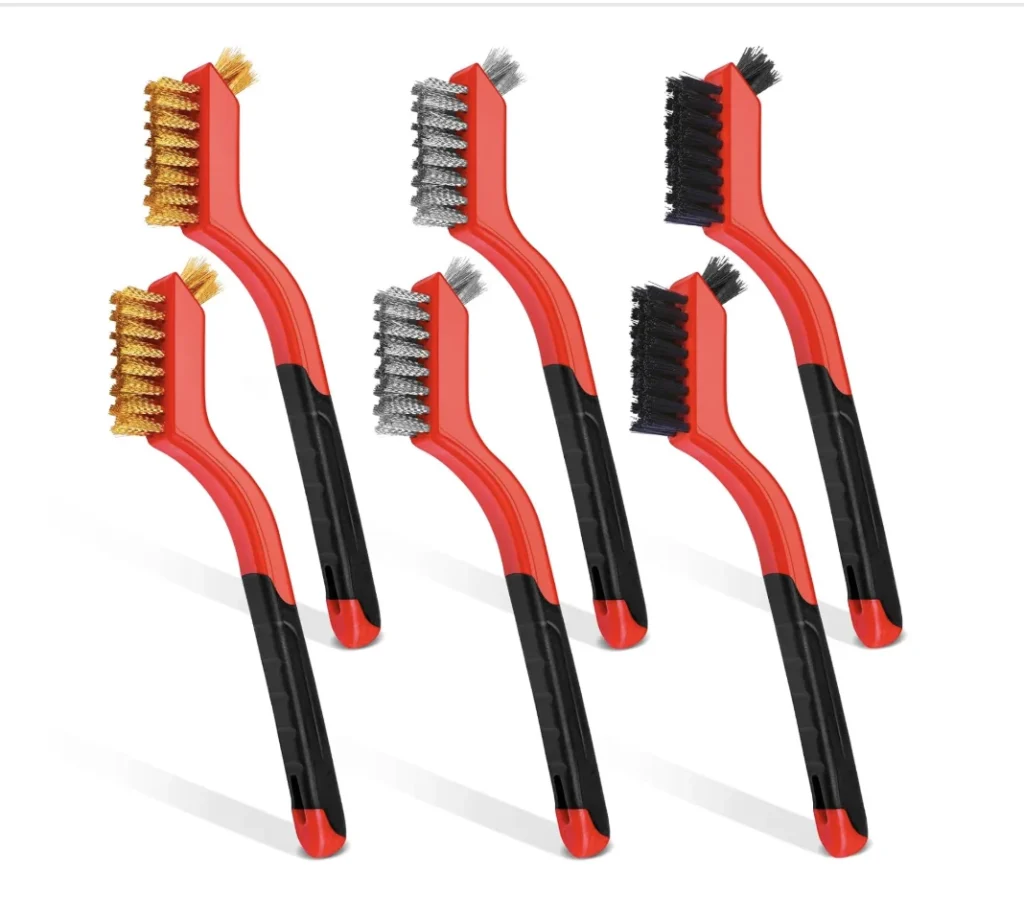
3. Detail Cleaning Brush Set (Wire & Nylon)
To get into the “pusher” teeth of your Fullstar Vegetable Chopper or the heating coils of your air fryer, you need precision brushes. This set includes soft nylon for delicate electronics and stiff bristles for carbonized grease on heating elements.
- Best for: Blender blades, air fryer coils, and chopper grids.
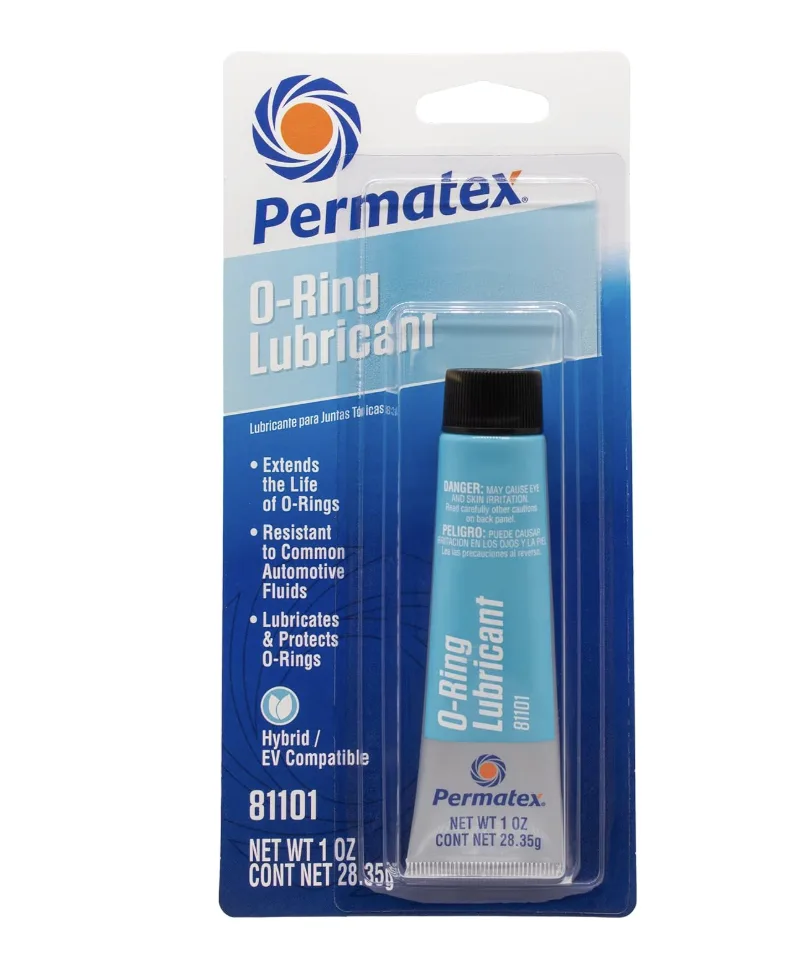
4. Food-Grade Silicone Gasket Lubricant
If your blender or multi-cooker has a rubber seal, it will eventually dry out and crack. A tiny drop of food-grade silicone lubricant once every few months keeps the seals supple and prevents leaks that can ruin an expensive motor.
- Best for: Blender bases, pressure cooker lids, and juicers.
Conclusion: Maintenance is Efficiency
A well-maintained kitchen is a fast kitchen. When your tools are clean and calibrated, they perform exactly as they should, saving you time and money. By incorporating these kitchen appliance maintenance habits into your routine, you aren’t just cleaning; you’re protecting your investment.