If you have recently invested in a high-end appliance like the ones in our Vitamix vs. Ninja 2026 Comparison, you want to make it last. However, many home cooks are accidentally shortening the life of their machines. If you are wondering what not to put in a blender to protect the motor and blades, you have come to the right place.
As an efficiency expert here in Austin, I’ve seen too many $500 blenders die early because of simple mistakes. In 2026, blenders are more powerful than ever, but they are still susceptible to “torque-shock” and thermal pressure.
Here are the 5 ingredients you should avoid to ensure your blender remains a high-performing part of your Efficient Cuisine.
Table of Contents
1. Boiling Hot Liquids (The Pressure Risk)
When searching for what not to put in a blender, the most dangerous mistake is boiling liquid.
- The Risk: Putting boiling soup or coffee into a sealed blender jar creates immediate steam pressure. This can blow the lid off, causing severe burns, or crack the plastic housing of your jar.
- The 2026 Fix: Always let liquids cool to at least 150°F before blending. If you must blend hot soup, ensure you remove the center “filler cap” to allow steam to escape, and cover it with a folded towel.
2. Frozen-Solid “Ice Bricks”
We all love smoothie bowls, but putting a massive, frozen-solid block of fruit into your blender is a top blender safety tips violation.
- The Risk: When the blades hit a rock-hard frozen object, it causes “torque-shock.” This can snap the drive socket or burn out the motor’s copper coils.
- The 2026 Fix: Let frozen fruit sit on the counter for 5 minutes before blending, or add your liquid first to create a “vortex” that cushions the impact.
3. Sun-Dried Tomatoes and Leathery Skins
This is a hidden “blender killer.” While blenders are great for sauces, certain textures are a nightmare for blades.
- The Risk: The leathery, tough skin of sun-dried tomatoes (unless packed in oil) can wrap around the blade assembly. This creates friction that overshoots the motor’s thermal fuse.
- The 2026 Fix: Soak tough, dried ingredients in warm water for 10 minutes before blending, or use a [Food Processor] instead.
4. Starchy Potatoes (The “Glue” Problem)
Efficiency isn’t just about the machine; it’s about the result. If you put cooked potatoes in a high-speed blender, you will be disappointed.
- The Risk: The high-speed blades break the starch molecules too quickly, turning your potatoes into a sticky, inedible “glue.” It also puts a heavy, viscous load on the motor.
- The 2026 Fix: For perfect mashed potatoes, use a manual masher or a low-speed hand mixer.
5. Whole Ginger or Turmeric Roots
We love the health benefits, but these fibrous roots are high on the list of what not to put in a blender without prep.
- The Risk: The long, stringy fibers can get caught in the blade spindle, causing it to seize.
- The 2026 Fix: Always roughly chop fibrous roots into 1/2 inch pieces before adding them to your smoothies.
Summary: What Not to Put in a Blender Checklist
| Ingredient | The Danger | The Efficient Solution |
|---|---|---|
| Boiling Liquid | Steam Explosion | Cool to 150°F first |
| Frozen Bricks | Motor Burnout | Add liquid first / Thaw 5 mins |
| Dried Tomatoes | Blade Friction | Soak in water first |
| Potatoes | Turns to “Glue” | Use a manual masher |
| Whole Ginger | Spindle Seizure | Dice into small pieces |
Sarah’s Advice for Blender Longevity
Understanding what not to put in a blender is the first step toward kitchen appliance maintenance. To keep your blender running for a decade, I also recommend the “Pulse First” method. Always pulse 3-4 times to break up large chunks before switching to high-speed mode.
If your blender is already making a strange noise or struggling with basic tasks, it might be time to upgrade to a machine designed for heavy-duty 2026 workflows. Check out my full review of the Ninja Foodi Power Blender or the Vitamix Ascent Series for better alternatives.
Shop the Solutions: Tools That Handle the “Hard Stuff”
If you often cook with the “forbidden” ingredients above, you don’t need a better blender—you need the right supplemental tools:
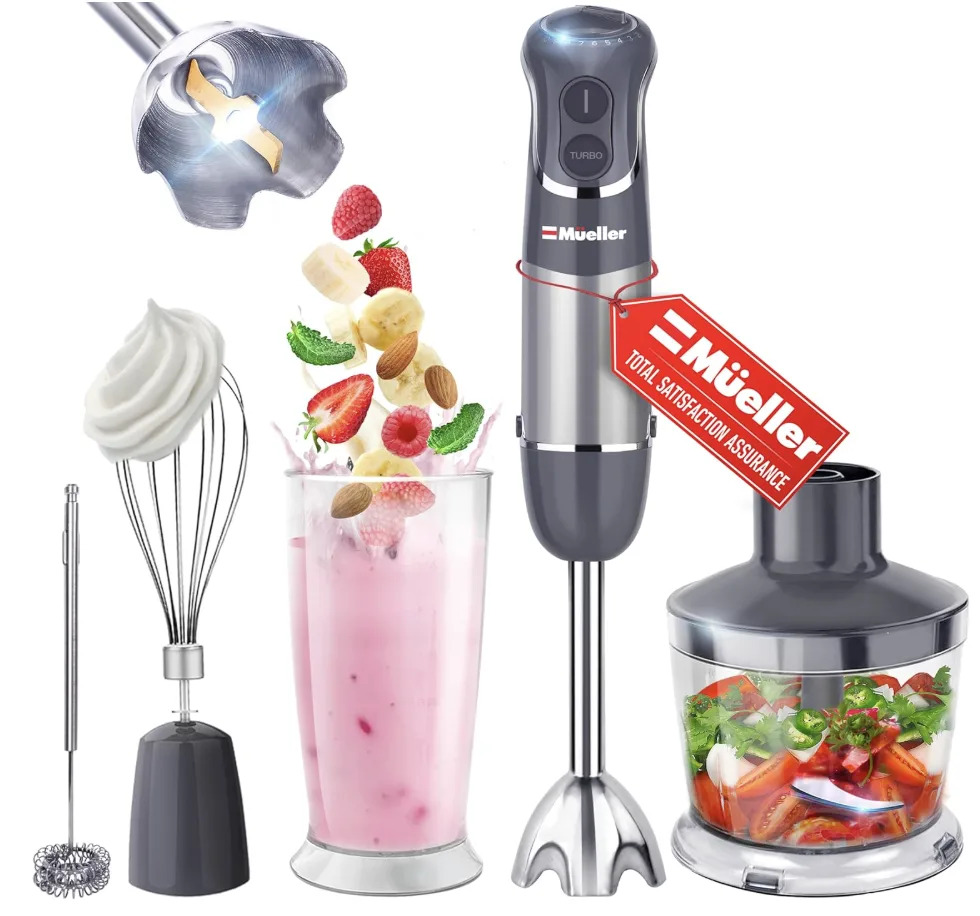
1. For Pureeing Hot Soups: Mueller Cordless Immersion Blender
An immersion blender is the safe way to puree soup directly in the pot. No steam pressure, no mess, and it’s a key part of my space-saving kitchen gadgets list.
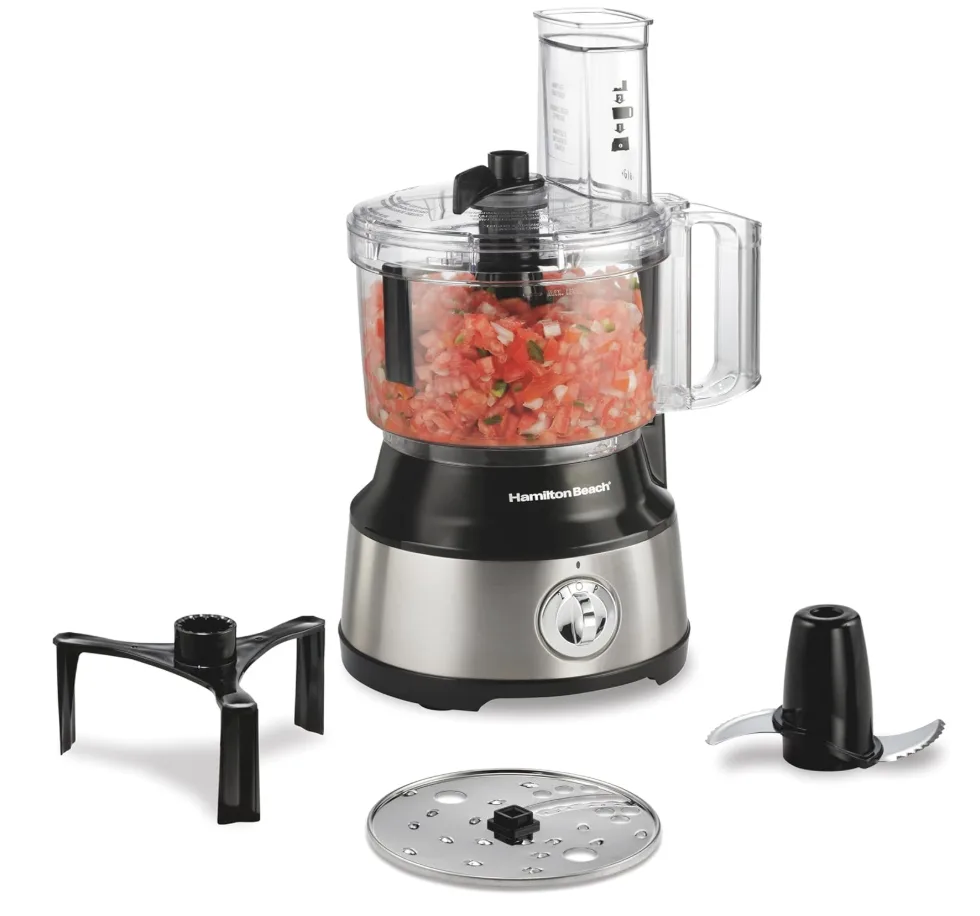
2. For Dried Fruits and Nuts: Hamilton Beach Food Processor
Food processors use a different blade motion that is much better at handling tough, leathery textures like sun-dried tomatoes or making thick nut butters without overheating.
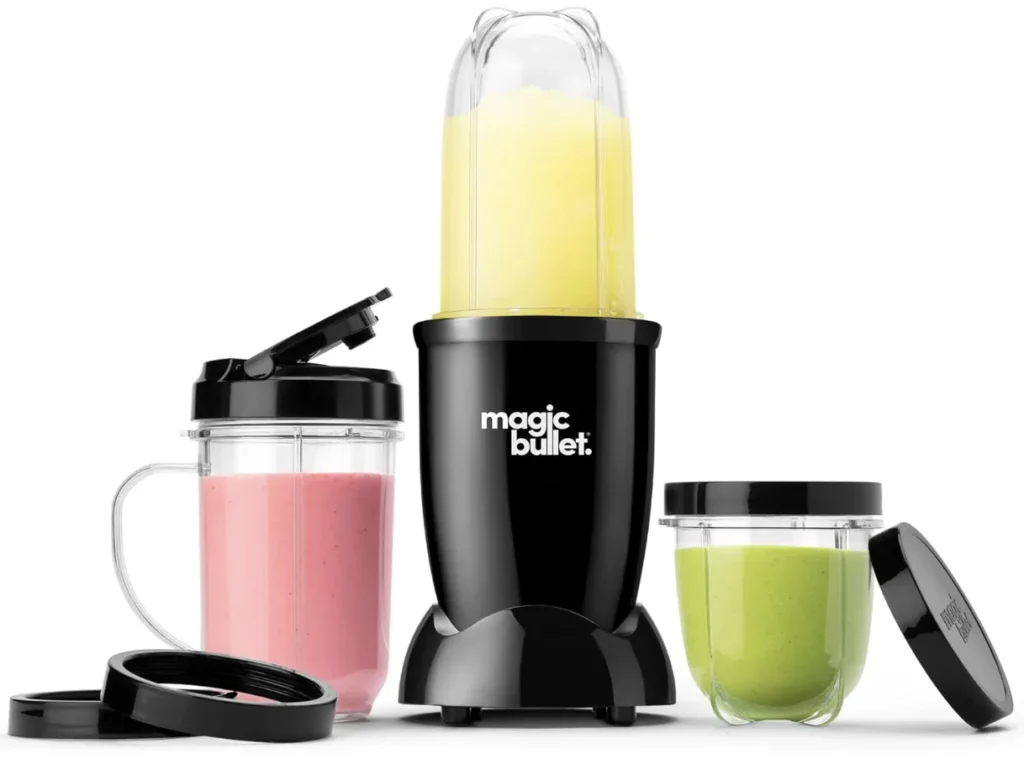
3. For Frozen Fruit: The Original Magic Bullet
If you only make small, frozen smoothies, a “Personal Blender” like the Magic Bullet is actually better because the smaller blade radius handles frozen chunks with less motor strain.