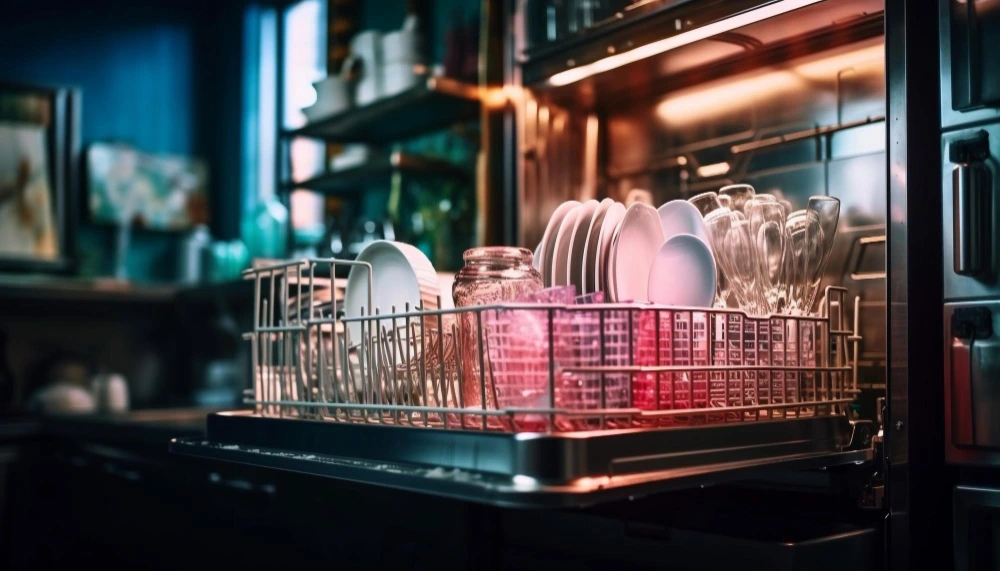
The dishwasher is easily the most beloved appliance in an efficient cuisine. It saves us hours of manual labor every week and uses significantly less water than hand-washing. However, that convenience comes with a high price if you aren’t careful. If you are searching for what not to put in a dishwasher, you likely already suspect that some of your favorite tools are being damaged by the high heat and harsh chemicals.
In 2026, dishwasher detergents are more powerful than ever, and modern cycles use intense steam to sanitize. While this is great for plates and forks, it is a “death sentence” for certain high-end kitchen tools. As an efficiency expert here in Austin, I’ve seen too many $100 chef’s knives and heirloom cast iron pans destroyed by a single “lazy” cycle.
Here is the definitive guide on what not to put in a dishwasher to ensure your kitchen gear lasts a decade.
Table of Contents
1. Professional Chef’s Knives
This is the #1 rule for what not to put in a dishwasher.
- The Risk: The high-pressure water jets can cause the knives to rattle against other items, dulling or chipping the blade. Furthermore, the intense heat can warp the handle and cause it to separate from the steel (the “tang”).
- The 2026 Fix: Always hand-wash your knives with warm soapy water and dry them immediately. Check out my guide on How to Sharpen Blender Blades to see why maintaining a clean edge is so important for efficiency.
2. Cast Iron Skillets and Dutch Ovens
If you are wondering what not to put in a dishwasher to protect your “seasoning,” cast iron is the answer.
- The Risk: Dishwasher detergent is highly abrasive. It will strip away the “seasoning” (the layer of baked-on oil that makes it non-stick). Even worse, the damp environment of a dishwasher will cause your pan to rust within hours.
- The 2026 Fix: Rinse with hot water, use a [Silicone Scrubber] for stuck-on food, and dry immediately on the stovetop.
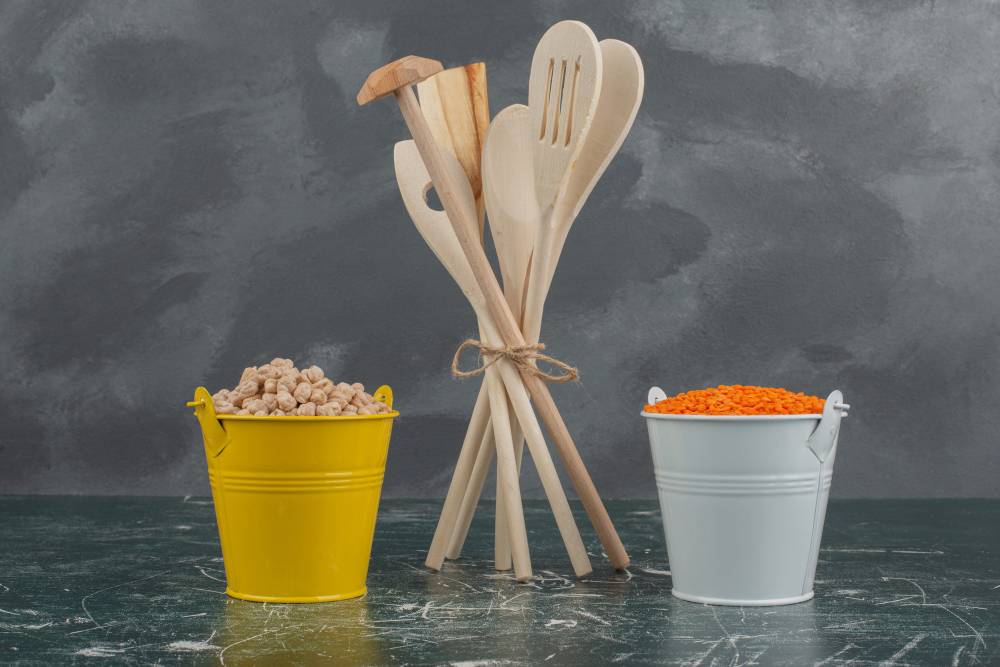
3. Wooden Cutting Boards and Utensils
Wood is a natural, porous material that simply cannot handle the 2026 dishwasher environment.
- The Risk: The prolonged exposure to hot water causes the wood fibers to swell. When the drying cycle hits, the wood shrinks rapidly, leading to warping, cracking, and splitting. Once a board has a crack, it becomes a breeding ground for bacteria.
- The 2026 Fix: Hand-wash wood items and occasionally treat them with food-grade mineral oil to keep the fibers supple.
4. Insulated Travel Mugs and Tumblers
This is a “hidden” item on the list of what not to put in a dishwasher.
- The Risk: Most high-end travel mugs use a vacuum seal between two layers of stainless steel to keep your coffee hot. The intense heat of a dishwasher can break this seal, allowing water to enter the vacuum chamber. This ruins the mug’s insulating properties forever.
- The 2026 Fix: If it doesn’t specifically say “Dishwasher Safe” on the bottom, keep it out of the machine.
5. Non-Stick Pots and Pans
While many 2026 manufacturers claim their pans are “Dishwasher Safe,” I still include them in what not to put in a dishwasher.
- The Risk: The harsh chemicals in dishwasher pods act like a chemical peel for the non-stick coating (PTFE or Ceramic). Over time, the coating will begin to flake off, and food will start sticking.
- The 2026 Fix: Hand-wash non-stick pans to extend their life from 2 years to 5+ years. This is a core pillar of Kitchen Appliance Maintenance.
Risk Assessment: Dishwasher vs. Hand Wash
| Kitchen Item | Dishwasher Risk | Primary Damage | Sarah’s Verdict |
|---|---|---|---|
| Chef’s Knives | High | Dulling & Handle Warp | Hand Wash Only |
| Cast Iron | Critical | Rust & Seasoning Loss | Hand Wash Only |
| Wood Tools | High | Cracking & Bacteria | Hand Wash Only |
| Travel Mugs | Moderate | Vacuum Seal Failure | Check Label First |
| Non-Stick | Moderate | Coating Degradation | Hand Wash for Life |
| Glass/Ceramic | Low | Occasional Etching | Dishwasher Safe |
Sarah’s Advice: The “High Heat” Rule
When in doubt about what not to put in a dishwasher, follow the 2026 “Heat Rule.” If the item is made of multiple materials glued together (like a knife handle) or has a specific coating (like non-stick or vacuum seals), the heat will eventually destroy it.
Efficiency is about taking care of your tools so they can take care of you. Spending 2 minutes hand-washing a skillet today saves you $50 on a replacement tomorrow.
For more maintenance tips, check out my 10 Essential Kitchen Efficiency Tips or see my guide on How to Organize a Refrigerator for Maximum Freshness.
Shop the Care Kit: Sarah’s Hand-Washing Essentials
If you want to protect the items that are on the what not to put in a dishwasher list, you need the right manual cleaning gear:
1. Heavy-Duty Silicone Dish Scrubbers
These are the perfect alternative to abrasive steel wool. They are gentle enough for non-stick pans but tough enough to clean cast iron without stripping the seasoning.
2. Food-Grade Mineral Oil for Wood
Keep your wooden boards from cracking with this pure mineral oil. A quick wipe-down once a month keeps the wood waterproof and beautiful.
3. Microfiber Drying Mat for Counters
Since you’ll be hand-washing your best knives and pans, you need a high-absorbency place for them to dry safely without cluttering your counters. It’s a staple for any [Small Space Kitchen].