If you have noticed your preserved food changing color, smelling odd, or developing mold, you are likely asking: why is my vacuum sealed food spoiling? Vacuum sealing is one of the pillars of my 1-Hour Meal Prep System, but it only works if the seal is perfect. When a vacuum seal fails, it doesn’t just waste food; it creates a potential safety hazard in your kitchen.
In 2026, while vacuum sealing technology has become more accessible, many home cooks still struggle with the “invisible” causes of food decay. As a kitchen efficiency expert based in Austin, I have diagnosed hundreds of preservation failures.
Here are the 5 most common reasons why is my vacuum sealed food spoiling and the professional fixes to ensure your food stays fresh for years.
Table of Contents
1. Anaerobic Bacteria Growth
The most common answer to why is my vacuum sealed food spoiling is the presence of anaerobic bacteria. These are bacteria that thrive in environments without oxygen.
- The Science: While vacuum sealing removes oxygen (which stops most mold), it creates the perfect home for bacteria like Clostridium botulinum and Listeria. These can grow even in a vacuum.
- The 2026 Fix: Always store vacuum-sealed meats and vegetables in the refrigerator or freezer. Vacuum sealing is a preservation aid, not a replacement for cold storage.
2. Sealing Food While It Is Still Warm
If you are wondering why is my vacuum sealed food spoiling shortly after sealing, check your temperature.
- The Science: When you seal warm food, it creates steam inside the bag. Once the bag cools, that steam turns into moisture (condensation). This moisture provides a breeding ground for bacteria.
- The 2026 Fix: Always let your food reach room temperature, or ideally refrigerate it, before vacuum sealing.
3. Moisture Interference in the Seal Track
A weak seal is a major reason why is my vacuum sealed food spoiling.
- The Science: If you are sealing wet items (like marinated chicken or juicy fruits), the liquid can get sucked into the sealing track. This prevents the heat bar from creating a 100% airtight bond. Even a microscopic hole will allow air back in.
- The 2026 Fix: Use the “Moist” setting on your sealer, or place a folded paper towel at the top of the bag before sealing to catch excess liquid.
4. Punctures from Sharp or Hard Foods
Sometimes the answer to why is my vacuum sealed food spoiling is a physical one.
- The Science: Items like dry pasta, bone-in steaks, or even frozen peas can have sharp edges that create “micro-punctures” in the plastic. Over time, air slowly leaks back in.
- The 2026 Fix: For sharp items, use “Vac-Guard” or a double-bagging technique. You can also use vacuum-sealed glass containers for sharp or delicate items.
5. Using Low-Quality or Old Bags
In 2026, not all vacuum bags are created equal.
- The Science: Cheap, generic bags are often thinner and lose their “tension” over time. If you use bags that aren’t 7-layer or higher, air can actually permeate through the plastic itself over several months.
- The 2026 Fix: Invest in high-quality, BPA-free, multi-layer bags designed for long-term storage.
Quick Diagnostic: Why Is My Vacuum Sealed Food Spoiling?
| Observation | Likely Cause | The Efficient Fix |
|---|---|---|
| Bag is loose/inflated | Puncture or Seal Leak | Re-seal or check for sharp edges |
| Visible moisture/droplets | Sealed while warm | Cool food completely before sealing |
| Food is slimy/smelly | Anaerobic Bacteria | Must store in freezer/fridge |
| Discoloration (Gray meat) | Air Permeation | Use thicker, multi-layer bags |
Sarah’s Advice for Perfect Preservation
Understanding why is my vacuum sealed food spoiling is part of being a smart kitchen manager. My #1 rule for 2026 is: When in doubt, throw it out. If a bag has lost its vacuum, the food inside should be treated as fresh and consumed immediately or discarded.
To prevent future issues, ensure you are using a sealer with a high-quality heat bar. You can see my top recommendations in my Kitchen Appliance Maintenance Guide to keep your sealer in top shape.
Shop the Solutions: Professional Preservation Gear
If you want to stop asking why is my vacuum sealed food spoiling, upgrade to these professional-grade tools:
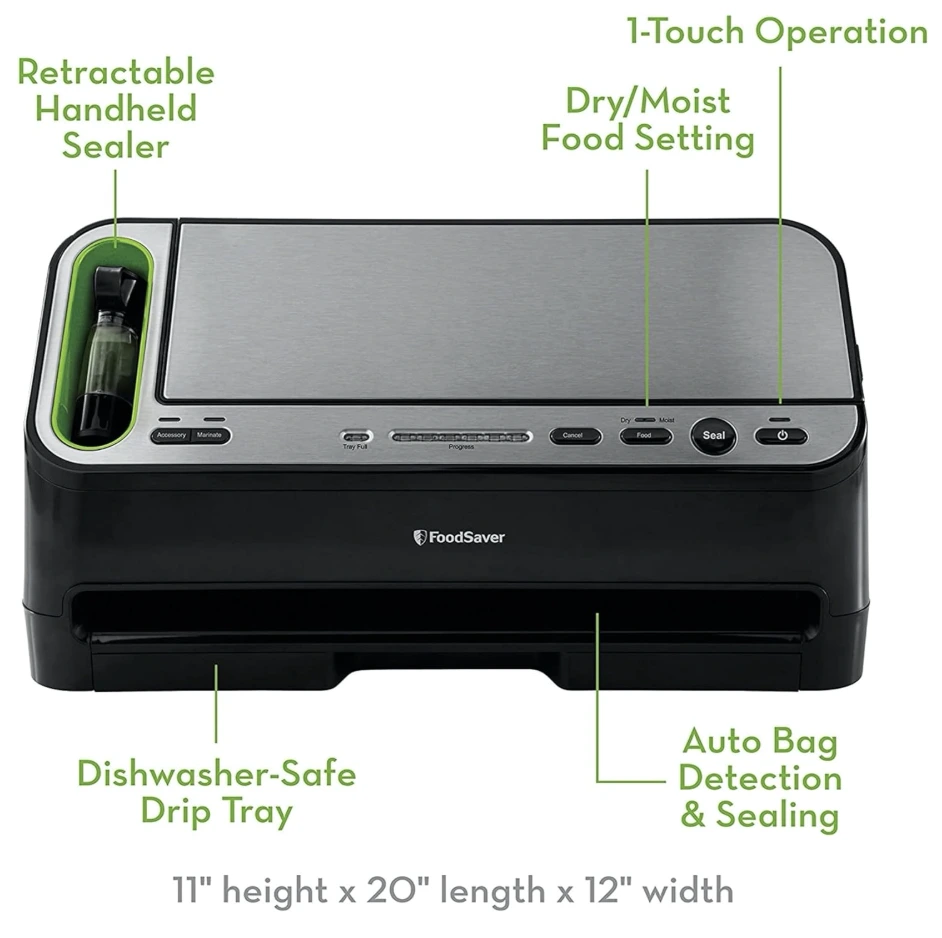
1. The Best Vacuum Sealer: FoodSaver V4840 2-in-1
This unit features an automatic bag detection and a dedicated “Moist/Dry” setting that prevents seal failure due to liquid interference. It’s the workhorse of my Austin kitchen.
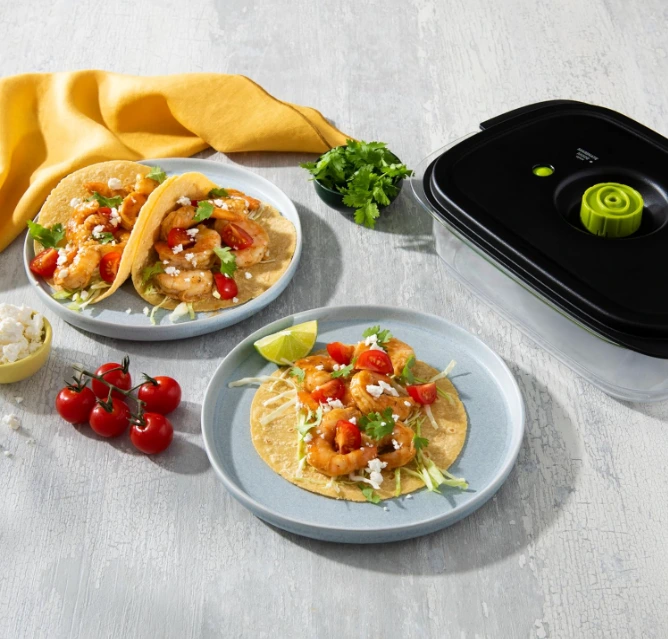
2. Puncture-Proof Storage: FoodSaver Fresh Containers
If you’re tired of bags leaking, switch to these vacuum-sealed glass and BPA-free containers. They are impossible to puncture and are perfect for my [Space-Saving Kitchen Gadgets] system.
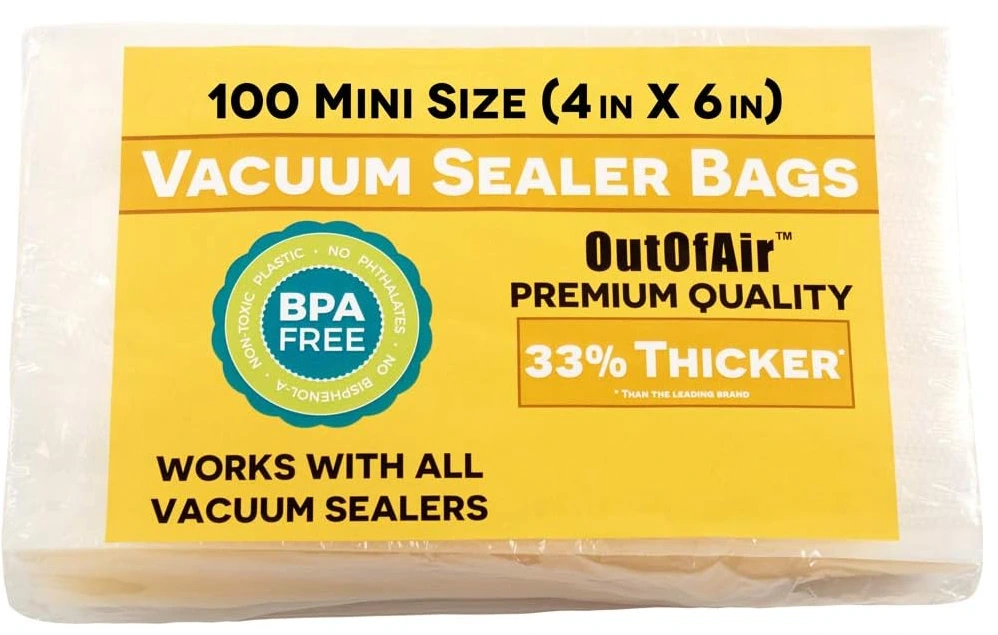
3. High-Performance Bags: OutOfAir 100-Pack Pre-Cut Bags
These are 7-layer, heavy-duty bags that prevent air permeation and stand up to “bone-in” meats. They are the best insurance against food spoilage.