If you’re standing at your sink watching water pool around the drain instead of flowing away, you need to know how to unclog a kitchen sink right now. A clogged kitchen sink is one of the most frustrating household problems, but it’s also one of the most solvable—without calling an expensive plumber.
As a kitchen efficiency expert based in Austin, I’ve dealt with my share of clogged drains after heavy 1-Hour Meal Prep System sessions. The good news? Most kitchen sink clogs are caused by grease, food particles, and soap scum—all of which respond well to natural, DIY solutions.
Here is my professional guide on how to unclog a kitchen sink using six methods that progress from the simplest to the most intensive.
Table of Contents
Why Kitchen Sinks Get Clogged
Before we tackle how to unclog a kitchen sink, understanding the cause helps prevent future clogs:
The Most Common Culprits:
- Grease and Fat: Liquid when hot, but solidifies in pipes as it cools
- Food Particles: Especially starchy foods like pasta and rice that expand
- Soap Scum: Soap residue that builds up over time
- Coffee Grounds: Create a sludge-like buildup
- Foreign Objects: Bottle caps, utensils, or small items
The Prevention Rule: Never pour grease down your drain. Always let it solidify in a container and throw it in the trash. See my Kitchen Efficiency Tips guide for more maintenance habits.

Method 1: The Boiling Water Flush (The Easiest First Step)
This is always the first step in how to unclog a kitchen sink because it costs nothing and works 30% of the time.
What You Need:
- A full kettle or pot of boiling water
The 2026 Method:
- Boil a full kettle of water.
- Carefully pour it directly down the drain in three stages, allowing 5 seconds between each pour.
- Wait 30 seconds and test the drain.
Why It Works: Boiling water melts grease and soap scum that has solidified in the pipes. The pressure of the water also helps push minor clogs through.
Warning: Only use this method if you have metal pipes. Boiling water can warp or loosen PVC pipe connections. If you have PVC pipes, use very hot (but not boiling) tap water instead.
Best For: Minor grease clogs and slow-draining sinks.
Method 2: The Dish Soap and Hot Water Method
If boiling water alone doesn’t work, adding soap is the next step for how to unclog a kitchen sink.
What You Need:
- 1/4 cup of grease-cutting dish soap (Dawn works best)
- Boiling or very hot water
The 2026 Method:
- Squirt the dish soap directly into the drain.
- Wait 5 minutes for the soap to work its way down.
- Pour a full kettle of hot water slowly down the drain.
- Repeat if necessary.
Why It Works: Dish soap is a powerful degreaser. It emulsifies the grease clog, breaking it into smaller particles that can be flushed away.
Best For: Grease-based clogs from cooking oils or fatty foods.
Method 3: The Baking Soda and Vinegar Volcano (The Natural Power Solution)
This is the most popular natural method for how to unclog a kitchen sink and it works on most common clogs.
What You Need:
- 1/2 cup baking soda
- 1/2 cup white vinegar
- Hot water
- Drain stopper or rag
The 2026 Method:
- Remove any standing water from the sink.
- Pour the baking soda directly into the drain.
- Immediately follow with the white vinegar.
- Quickly cover the drain with a stopper or rag to force the reaction downward.
- Let it fizz for 15-20 minutes.
- Remove the stopper and flush with a full kettle of hot water.
Why It Works: The same chemistry behind my How to Clean a Garbage Disposal guide—the acid-base reaction creates carbon dioxide bubbles that break up the clog and push it through the pipe.
Best For: Food particle clogs and soap scum buildup.
Method 4: The Plunger Method (The Mechanical Solution)
If natural methods haven’t worked, it’s time for some manual force in your how to unclog a kitchen sink strategy.
What You Need:
- A cup plunger (not a flange plunger—those are for toilets)
- Petroleum jelly (optional, for better seal)
The 2026 Method:
- Fill the sink with 2-3 inches of water (enough to cover the plunger cup).
- If you have a double sink, plug the second drain with a wet rag to create pressure.
- Place the plunger over the drain and press down firmly to create a seal.
- Plunge vigorously 10-15 times using an up-and-down motion.
- Pull the plunger off quickly on the final stroke.
- Test if water drains freely.
- Repeat if necessary.
Pro Tip: Apply petroleum jelly around the rim of the plunger for a tighter seal and more effective pressure.
Best For: Solid food particle clogs that are lodged in the drain.
Method 5: The P-Trap Clean (The Deep Fix)
If all else fails, this is the most reliable answer to how to unclog a kitchen sink for stubborn clogs.
What You Need:
- Bucket or large bowl
- Adjustable pliers or pipe wrench
- Old towels
The 2026 Method:
- Place a bucket under the P-trap (the curved pipe under the sink).
- Using pliers, unscrew the two slip nuts on either side of the P-trap.
- Carefully remove the P-trap—water will spill out (this is why you need the bucket).
- Clean out any debris inside the P-trap by hand or with a brush.
- Check the pipe going into the wall for further blockage.
- Reattach the P-trap, tightening the slip nuts by hand.
- Run water to test.
Why It Works: Most kitchen sink clogs occur right in the P-trap, which is designed to hold water to prevent sewer gases from entering the home. This curved shape also traps debris.
Best For: Persistent clogs that don’t respond to other methods.
Method 6: The Drain Snake (The Professional Tool)
For how to unclog a kitchen sink when the clog is deep in the pipe, a drain snake is the answer.
What You Need:
- Hand-cranked or electric drain snake (also called a drain auger)
The 2026 Method:
- Feed the snake into the drain opening.
- Turn the handle clockwise as you push it deeper into the pipe.
- When you feel resistance, you’ve found the clog.
- Continue rotating to either break up or hook the clog.
- Pull the snake back out slowly (bring the clog with it if possible).
- Run hot water to flush remaining debris.
Best For: Deep clogs that are beyond the P-trap.
Method Effectiveness Table
| Method | Difficulty | Cost | Best For | Success Rate |
|---|---|---|---|---|
| Boiling Water | Very Easy | Free | Minor grease clogs | 30% |
| Dish Soap + Water | Very Easy | $1 | Grease buildup | 50% |
| Baking Soda + Vinegar | Easy | $2 | Food particles | 65% |
| Plunger | Moderate | $10 | Solid food clogs | 75% |
| P-Trap Clean | Moderate | Free | All clog types | 90% |
| Drain Snake | Moderate | $20-$30 | Deep pipe clogs | 95% |
How to Prevent Future Clogs
Once you know how to unclog a kitchen sink, prevention keeps you from repeating this experience:
- Use a Drain Strainer: Catch food particles before they enter the drain. This is one of the most impactful [Kitchen Efficiency Tips].
- Weekly Hot Water Flush: Pour a kettle of hot water down the drain once a week to melt grease buildup.
- Monthly Baking Soda Treatment: Pour 1/4 cup of baking soda followed by hot water once a month as maintenance.
- Never Pour Grease: Always dispose of cooking fat in a sealed container in the trash.
Related Guide: See my How to Clean a Garbage Disposal for complete drain maintenance strategies.
Sarah’s Final Advice
Mastering how to unclog a kitchen sink is about working through the methods systematically—starting with the simplest and escalating only if needed. In most cases, the baking soda and vinegar method combined with a plunger will solve 90% of kitchen sink clogs without spending a penny on a plumber.
For more kitchen maintenance guides, check out my Kitchen Appliance Maintenance Guide or see my [How to Remove Grease from Kitchen Cabinets] for related cleaning strategies.
Shop the Unclog: Sarah’s Drain Care Essentials
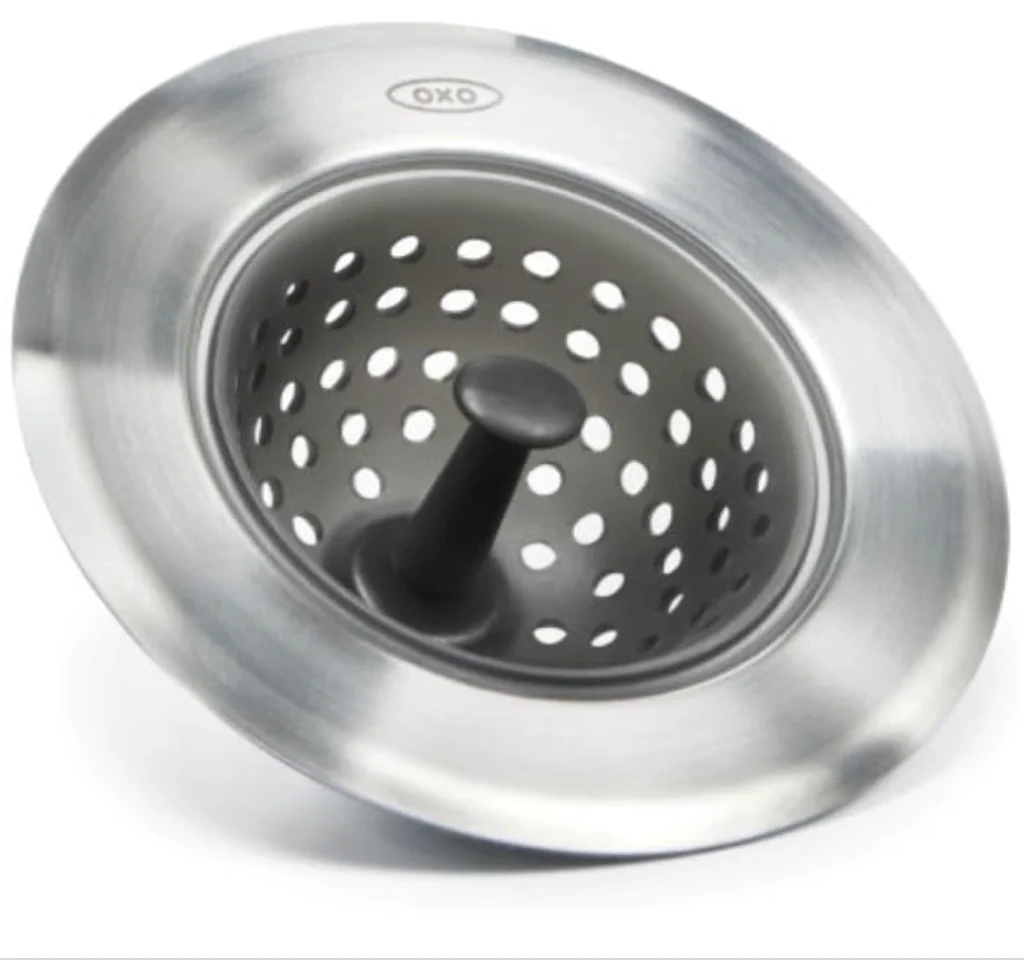
1. OXO Good Grips Sink Strainer
This is the #1 prevention tool. It catches food particles before they enter your drain and is dishwasher-safe for easy cleaning.
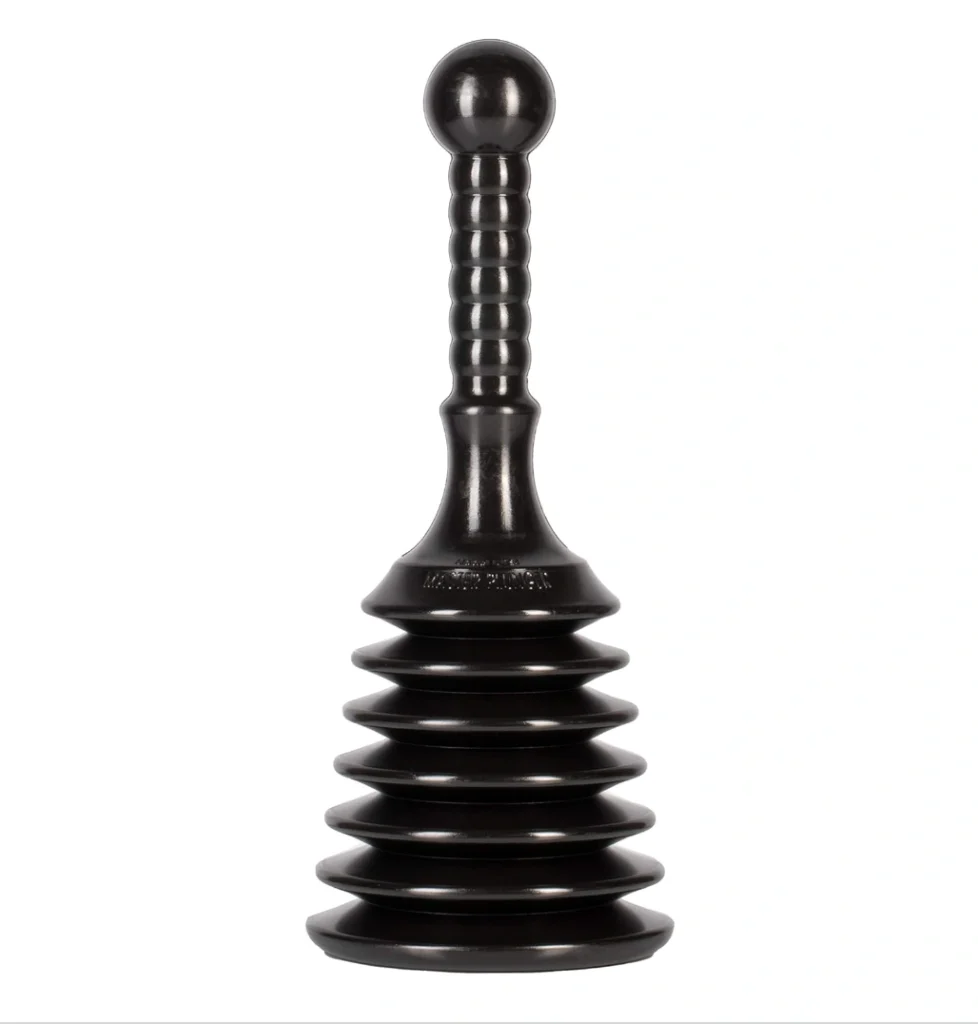
2. Heavy-Duty Sink Plunger (Cup Style)
Every kitchen needs one. Choose a cup plunger specifically designed for flat sink drains rather than a toilet plunger.
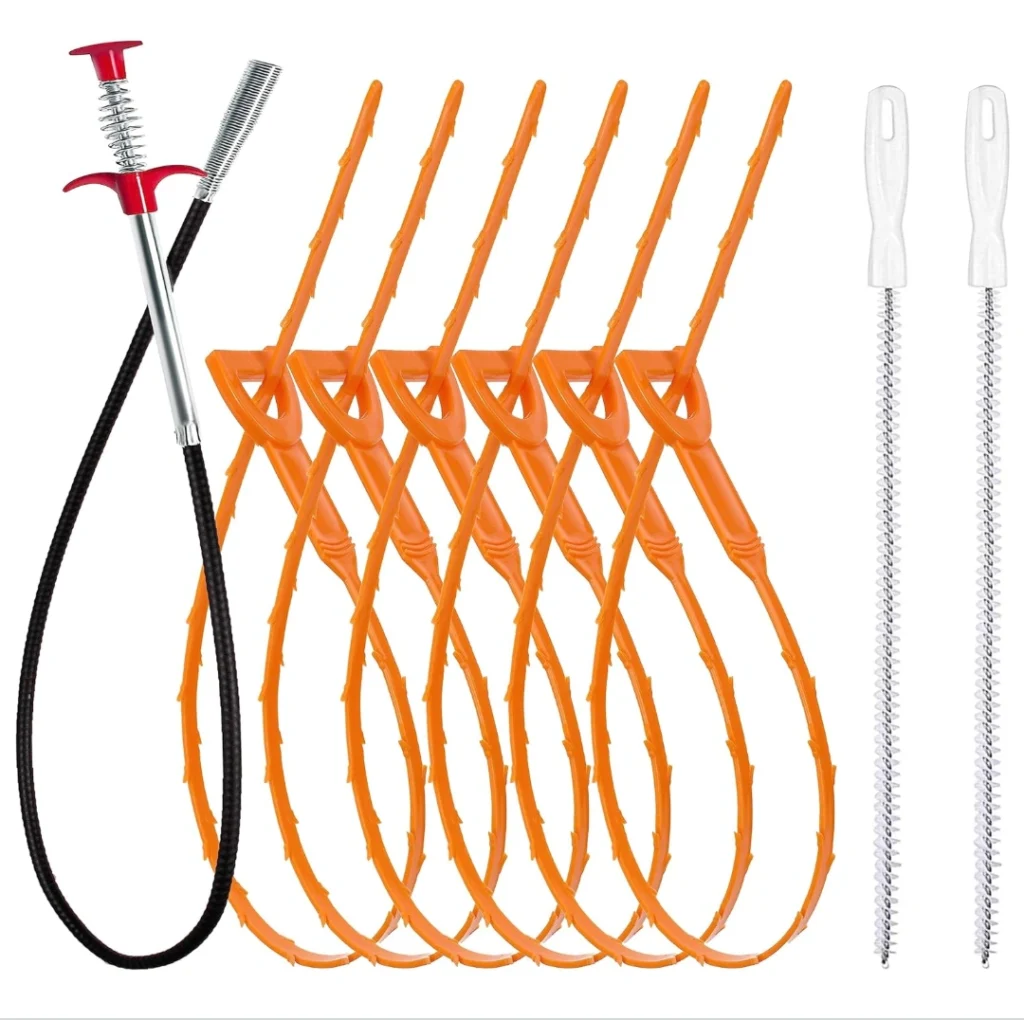
3. Flexible Drain Snake (25-Foot)
For deep clogs that plungers can’t reach, this hand-cranked snake is a professional-grade tool at a fraction of the cost of a plumber.
4. Drain Cleaning Foaming Pods
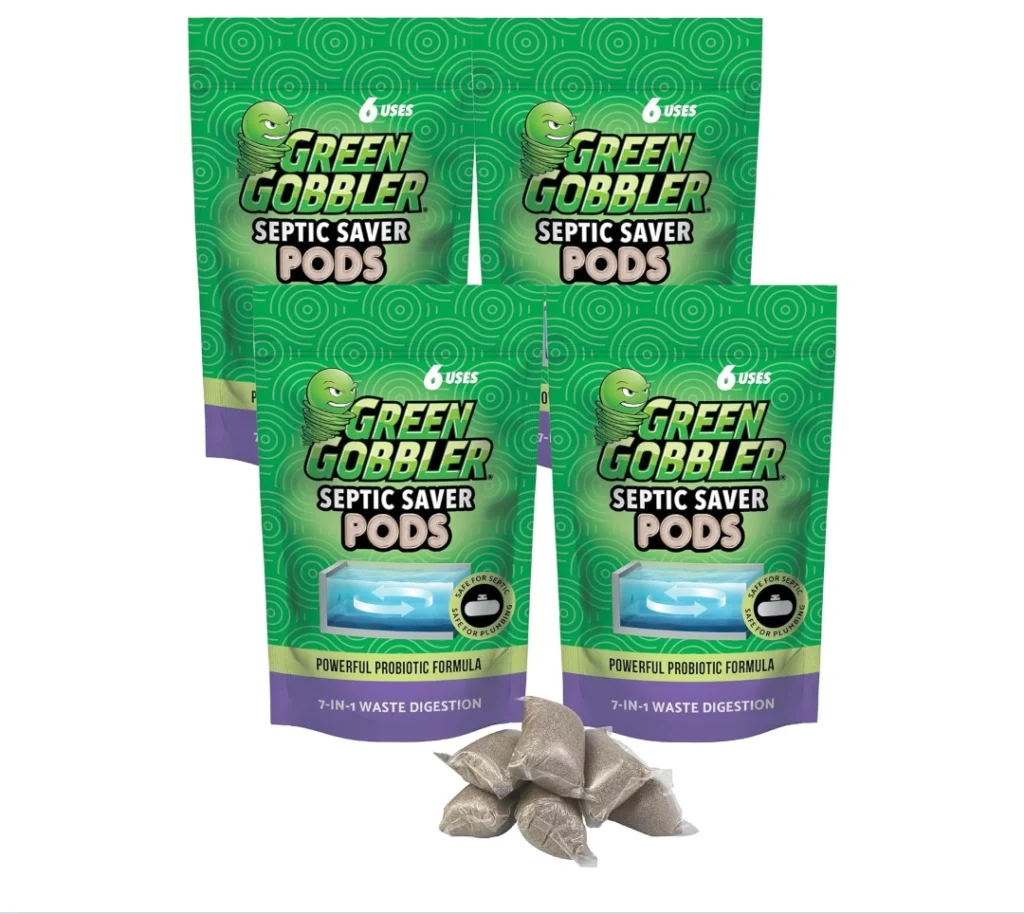
These monthly maintenance pods combine baking soda, citric acid, and enzymes to prevent buildup before it becomes a clog.