If you’ve ever bought a bunch of bananas on Monday only to find them brown and mushy by Wednesday, you’re searching for how to keep bananas fresh longer. Bananas are one of the most popular fruits in America, but they’re also one of the fastest to ripen—making them a significant source of food waste in most households.
As a kitchen efficiency expert based in Austin, I consider banana storage a perfect example of how small knowledge gaps lead to big waste. Understanding how to keep bananas fresh longer is about controlling the science of ripening, not just changing where you put them on the counter.
Here is my professional guide on how to keep bananas fresh longer using seven proven methods based on food science.
Table of Contents
Why Bananas Ripen So Fast
Before we tackle how to keep bananas fresh longer, let’s understand the enemy: ethylene gas.
The Science:
Bananas are one of the highest ethylene-producing fruits in existence. Ethylene is a natural plant hormone that triggers the ripening process. As bananas produce ethylene, it accelerates their own ripening AND speeds up the ripening of any nearby produce.
The Two Problems:
- Bananas ripen themselves from the inside out
- They ripen everything around them (see my Foods You Should Never Store in the Refrigerator guide for the ethylene-sensitive produce list)
The Solution: Control the ethylene gas.
Method 1: Separate the Bananas from the Bunch
This is the single most effective tip for how to keep bananas fresh longer.
The Science: When bananas are in a bunch, they share ethylene gas between stems, accelerating collective ripening.
The 2026 Method:
- As soon as you get home from the store, separate each banana from the bunch.
- Store them individually rather than as a cluster.
The Result: Individually separated bananas ripen 1-2 days slower than those kept in a bunch.
Best For: Buying time when you have a lot of bananas.
Method 2: Wrap the Stems with Plastic Wrap
This is the most popular hack for how to keep bananas fresh longer and it actually works.
The Science: The stem is where the majority of ethylene gas is released. By wrapping it, you slow the gas release significantly.
The 2026 Method:
- Separate the bananas from the bunch (Method 1).
- Tear off a small piece of plastic wrap or use a reusable silicone wrap.
- Wrap the stem of each banana tightly.
- Rewrap after each use.
The Result: Stem-wrapped bananas last 3-5 days longer than unwrapped ones.
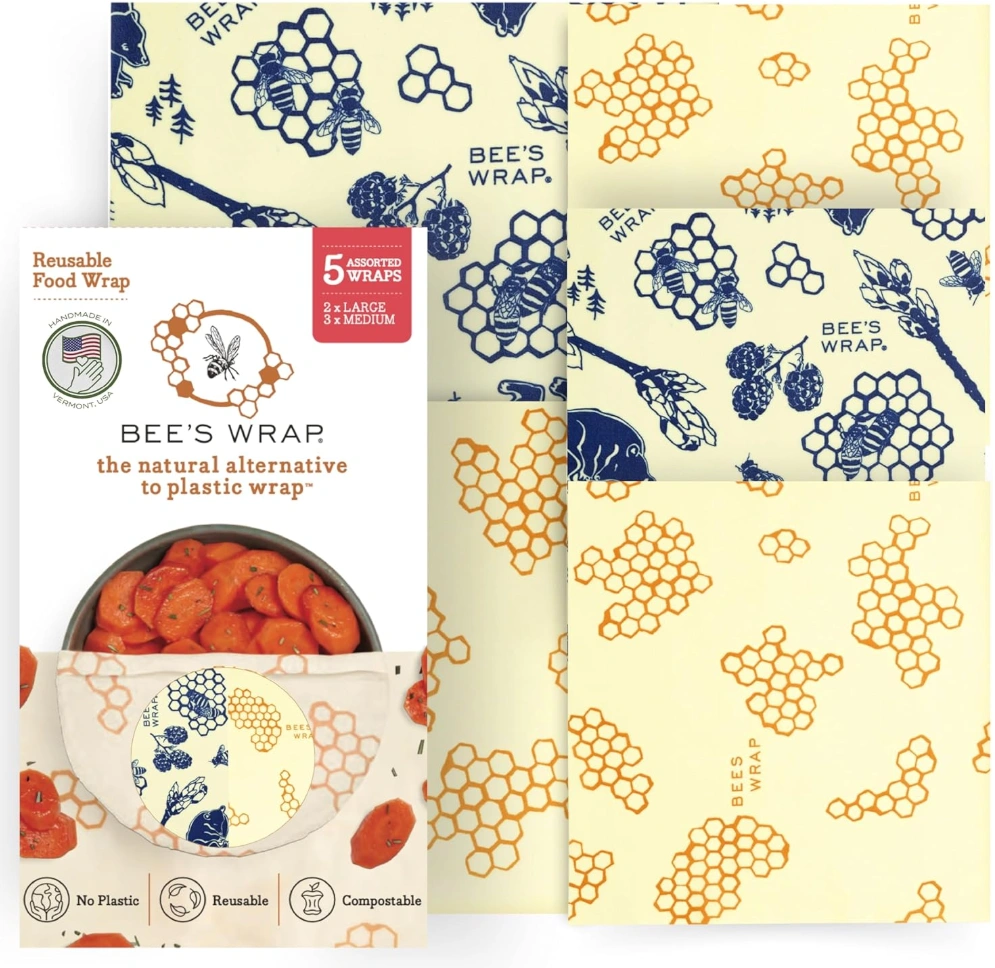
Eco Tip: Use beeswax wraps instead of plastic for a sustainable alternative.
Method 3: Store Away from Other Fruits
This is a critical but often overlooked strategy for how to keep bananas fresh longer.
The Science: Bananas release ethylene that accelerates the ripening of nearby fruits. But other fruits (like apples) also release ethylene that speeds up banana ripening.
The 2026 Method:
- Store bananas away from apples, pears, avocados, and tomatoes
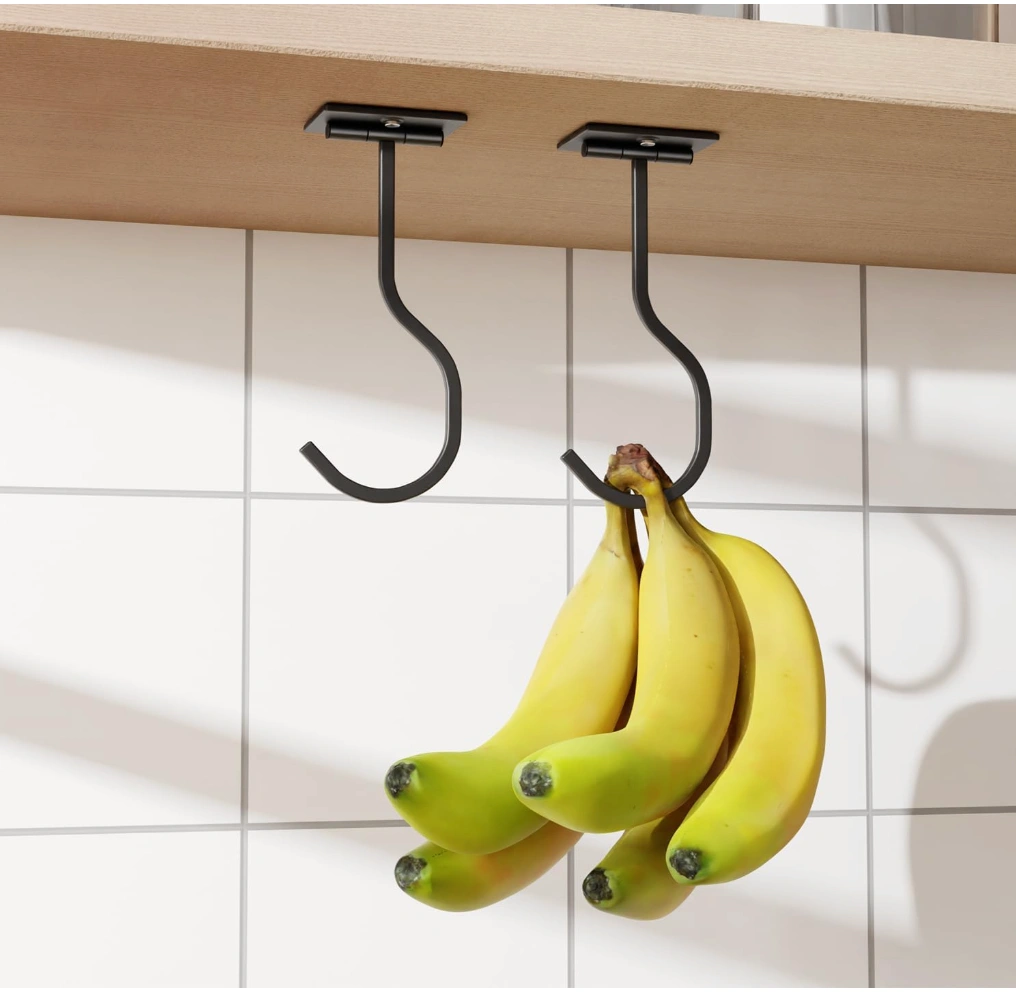
- Hang them on a banana hook to maximize air circulation
- Keep them in a cool (not cold), well-ventilated area
Best For: Households with a lot of mixed fruit on the counter.
Related Guide: See my How to Organize a Refrigerator for Maximum Freshness for ethylene management strategies.
Method 4: The Refrigerator Method (For Ripe Bananas)
Contrary to popular belief, refrigerating bananas IS effective—but only at the right time.
The 2026 Rule:
- Never refrigerate unripe (green) bananas: Cold stops the ripening enzyme, leaving them green and starchy forever.
- Refrigerate fully ripe (yellow) bananas: This dramatically slows further ripening.
What Happens in the Fridge:
- The skin will turn brown or black within 1-2 days (this is normal—just the skin oxidizing)
- The flesh inside stays perfectly yellow and firm for 1-2 weeks
The Result: Fully ripe bananas last 5-7 days longer in the fridge than on the counter.
Best For: When you have perfectly ripe bananas but can’t eat them all immediately.
Method 5: The Freezer Method (Long-Term Storage)
For how to keep bananas fresh longer than any other method allows, the freezer is your answer.
The 2026 Method (Whole Bananas):
- Peel the bananas completely.
- Place them on a baking sheet lined with parchment paper.
- Freeze for 2-3 hours until solid.
- Transfer to a freezer-safe bag or vacuum-sealed bag.
- Label with the date.
The 2026 Method (Sliced Bananas):
- Peel and slice into 1-inch rounds.
- Freeze on a baking sheet first (prevents clumping).
- Transfer to a bag once frozen.
Freezer Life: Frozen bananas last 2-3 months and are perfect for smoothies, baking, or ice cream.
The Efficiency Win: This is a core part of my 1-Hour Meal Prep System—frozen banana slices go straight into the blender for instant smoothies.
Related Guide: See my How to Cook Frozen Foods in an Air Fryer for more freezing strategies.
Method 6: The Lemon Juice Method (For Cut Bananas)
If you’ve already sliced a banana and want to prevent browning, this is the answer to how to keep bananas fresh longer once cut.
The Science: Browning in cut bananas is caused by oxidation (the same process that makes an apple turn brown). Lemon juice contains ascorbic acid (Vitamin C) and citric acid, both of which prevent oxidation.
The 2026 Method:
- Slice your bananas as needed.
- Lightly toss or brush the slices with fresh lemon juice (or lime juice).
- Store in an airtight container in the fridge.
The Result: Cut bananas stay fresh and yellow for 24-48 hours longer.
Best For: Fruit salads, lunchboxes, and meal-prepped breakfast bowls.
Method 7: The Overripe Banana “Rescue” (Zero Waste)
This final method isn’t about preventing ripening—it’s about using overripe bananas before they go to waste.
When Bananas Are Perfect (Yellow with spots):
- Eat fresh
- Add to smoothies
When Bananas Are Overripe (Brown and soft):
These are actually BETTER for:
- Banana bread (sweeter and more flavorful)
- Pancakes (mashed as a natural sweetener)
- Smoothies (freeze them first)
- Ice cream (blend frozen overripe bananas for “nice cream”)
The Zero-Waste Rule: There is no such thing as a banana that’s “too ripe” to use. See my How to Reduce Kitchen Waste guide for more zero-waste strategies.
Banana Storage Method Comparison Table
| Method | Extends Freshness | Best Stage | Difficulty |
|---|---|---|---|
| Separate from Bunch | 1-2 days | Any stage | Very Easy |
| Wrap Stems | 3-5 days | Green/Yellow | Very Easy |
| Store Away from Fruits | 2-3 days | Any stage | Easy |
| Refrigerate | 5-7 days | Fully ripe only | Very Easy |
| Freeze | 2-3 months | Ripe or overripe | Easy |
| Lemon Juice | 24-48 hours | Cut bananas | Very Easy |
Sarah’s Final Advice
Mastering how to keep bananas fresh longer is about understanding that different stages of ripeness require different storage strategies. Green bananas need warmth and air; ripe bananas need cold; overripe bananas need your freezer or your oven.
By combining stem wrapping, separation, and refrigeration at the right time, you can extend a bunch of bananas from 3-4 days to 10-14 days—cutting your banana waste by 70%.
For more food preservation strategies, check out my How to Store Fresh Herbs to Keep Them Fresh Longer or see my 5 Foods You Should Never Store in the Refrigerator guide.
Shop the Fresh: Sarah’s Banana Storage Essentials
1. Banana Hanger Stand (Countertop Hook)
Hanging bananas improves air circulation and prevents bruising from contact with hard surfaces. It’s a simple tool that makes a big difference.
2. Beeswax Wraps (For Stem Wrapping)
A sustainable alternative to plastic wrap for sealing banana stems. Reusable and biodegradable.
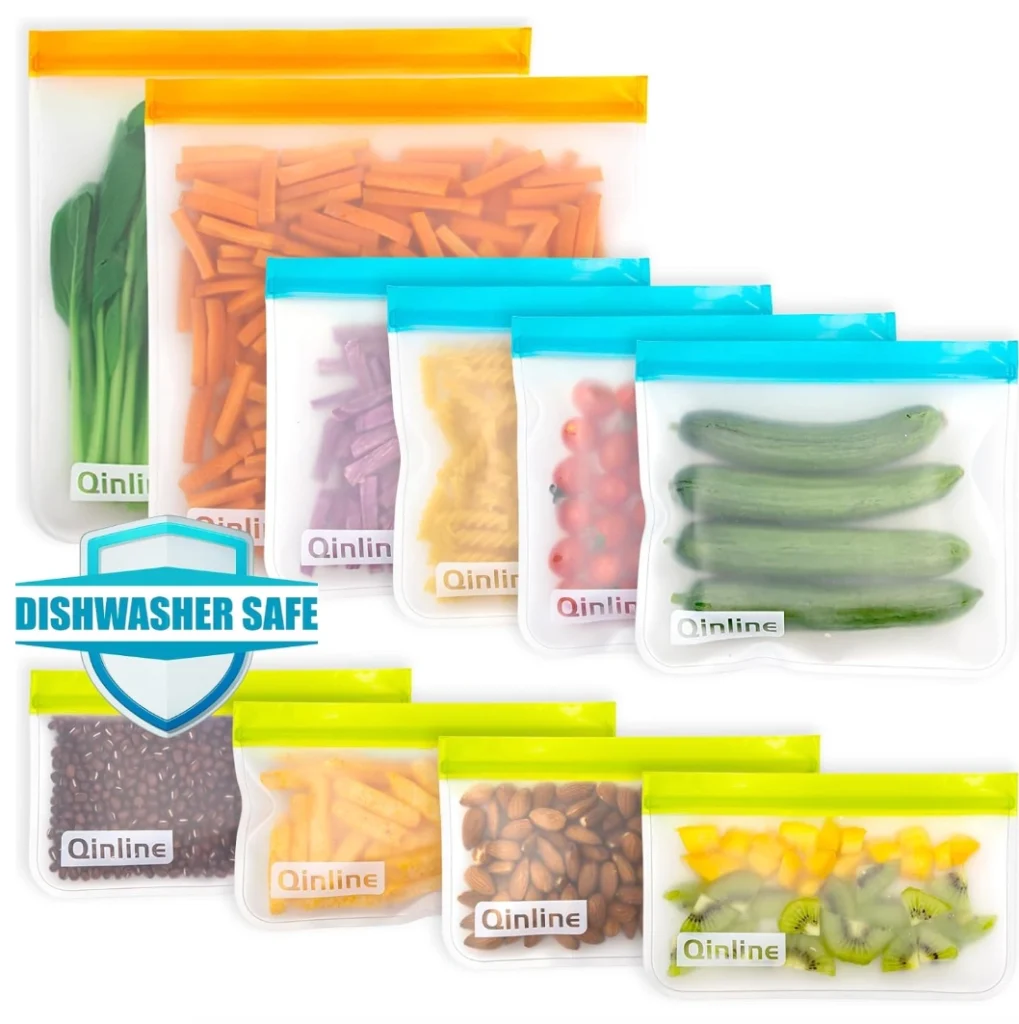
3. Freezer-Safe Silicone Bags (For Frozen Bananas)
These airtight bags prevent freezer burn and keep your frozen bananas fresh for months. A staple of my Zero-Waste Kitchen strategy.