If you have been avoiding opening your oven because of the blackened grease, carbonized food splatter, and acrid burning smell that greets you every time you bake, you need to know how to clean an oven properly. A dirty oven is more than an aesthetic problem — baked-on grease and carbon deposits reduce your oven’s heating efficiency, create smoke and unpleasant odors during cooking, and can even become a fire hazard when grease deposits reach their combustion temperature during high-heat cooking.
As a kitchen efficiency expert based in Austin, Texas, I consider a clean oven one of the most fundamental requirements of an efficient kitchen. In my Austin kitchen, I clean my oven thoroughly every 3 months and perform a quick maintenance clean monthly — a routine that prevents the overwhelming deep cleaning sessions that result from months of neglect. Knowing how to clean an oven properly using the right method for your specific oven type and level of soiling saves both time and effort compared to attacking a heavily soiled oven with the wrong approach.
Here is my complete, professionally tested guide on how to clean an oven using six proven methods that cover every oven type, every level of soiling, and every cleaning preference from natural methods to commercial cleaners.
Table of Contents
Why Ovens Get So Dirty (And Why It Matters)
Before we tackle how to clean an oven properly, understanding what causes oven soiling helps you choose the most effective cleaning method and prevent future buildup.
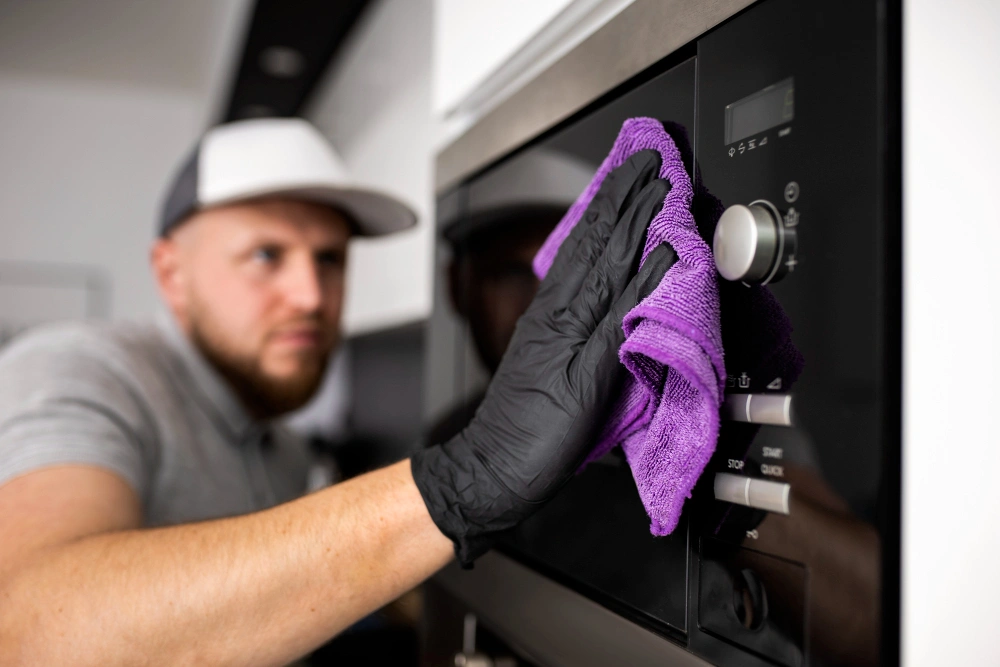
The Four Sources of Oven Soiling:
- Grease Splatter: Fat from roasting meats, poultry, and vegetables splatters onto oven walls and the oven floor during high-heat cooking. This grease bakes onto surfaces with each subsequent oven use, building layer upon layer of carbonized fat
- Food Spills: Casseroles, pies, and baked dishes bubble over their containers and drip onto oven surfaces where they carbonize into hard, black deposits
- Sugar Burns: Sugar-based foods — fruit pies, glazed meats, and desserts — produce particularly stubborn caramelized deposits that are significantly harder to remove than plain grease
- Moisture Evaporation: Steam from moist cooking deposits mineral scale on oven surfaces over time, particularly visible on oven glass
The Consequences of a Dirty Oven:
- Reduced Heating Efficiency: Carbon deposits on heating elements and oven walls absorb heat that should be circulating to cook your food, increasing cooking times and energy consumption
- Smoke and Odors: Carbonized grease reaches its combustion temperature at approximately 400°F, producing the acrid smoke and burning smell that fills your kitchen during high-heat cooking
- Fire Hazard: Heavily accumulated grease deposits can ignite during high-heat cooking, creating a genuine oven fire risk
- Flavor Contamination: Burning grease and carbon deposits produce smoke that infuses your food with an acrid, bitter flavor — particularly noticeable in delicate baked goods
The Warning Signs Your Oven Needs Cleaning:
- Smoke or burning smell during preheating before food is added
- Visible black carbon deposits on oven walls, floor, or door
- Food taking longer than expected to cook at the correct temperature
- Strong odor emanating from the oven during cooking
- Grease splatters visible on oven glass
Method 1: The Baking Soda and Vinegar Method (The Natural Powerhouse)
This is the most searched natural answer to how to clean an oven and the most effective chemical-free approach for moderate soiling.
The Science:
Baking soda (sodium bicarbonate) is a mild alkali that breaks down grease and carbon deposits through a saponification reaction — the same chemistry that makes soap effective. When combined with white vinegar (acetic acid), the fizzing reaction produces carbon dioxide that mechanically lifts loosened deposits from oven surfaces. Together they form the most effective natural oven cleaning combination available.
What You Need:
- 1 cup baking soda
- 2-3 tablespoons water
- White vinegar in a spray bottle
- Damp microfiber cloths
- Rubber gloves
- Plastic scraper or old spatula
The 2026 Method:
- Remove oven racks completely and set aside (see dedicated rack cleaning section below)
- Remove any loose food debris from the oven floor with a damp cloth
- Mix baking soda and water in a bowl to create a thick spreadable paste — the consistency of toothpaste
- Apply the paste generously to every interior surface of the oven using your hands (wear rubber gloves) — walls, floor, door interior, and around the heating elements if accessible. Avoid coating the heating elements directly
- Pay extra attention to heavily soiled areas — apply a thicker layer of paste to burned-on deposits
- Allow the paste to sit for a minimum of 12 hours — overnight is ideal. The extended contact time is what makes this method effective
- After 12 hours, spray white vinegar liberally over all paste-covered surfaces. The fizzing reaction you see is the vinegar activating the baking soda and lifting the loosened deposits
- Allow to fizz for 5 minutes
- Use a damp microfiber cloth to wipe away the paste and dissolved grease. Work from top to bottom so loosened deposits do not fall onto already-cleaned surfaces
- Use a plastic scraper for stubborn deposits — never use metal scrapers that scratch oven surfaces
- Rinse with clean damp cloths until all baking soda residue is removed
- Dry with a clean cloth and assess remaining soiling — repeat for any persistent areas
Why It Works:
The 12-hour soak time allows the alkaline baking soda to penetrate and break down the molecular structure of carbonized grease. The subsequent vinegar spray activates the sodium bicarbonate and creates the mechanical lifting action that removes loosened deposits without scrubbing.
Best For: Light to moderate oven soiling. Regular monthly maintenance cleaning. Chemical-free households and those sensitive to commercial cleaner fumes.
Related Guide: See my How to Clean a Dishwasher Properly for the same natural baking soda and vinegar technique applied to dishwasher maintenance.
Method 2: The Commercial Oven Cleaner Method (The Heavy Artillery)
For ovens with severe, long-standing grease and carbon buildup that natural methods cannot fully resolve, a commercial oven cleaner is the most powerful answer to how to clean an oven effectively.
The Science:
Commercial oven cleaners — primarily Easy-Off and comparable products — contain sodium hydroxide (lye), a highly caustic alkali that chemically dissolves carbonized grease at a molecular level far more aggressively than baking soda. The saponification reaction with grease is essentially instantaneous compared to the 12-hour soak required by natural methods.
What You Need:
- Easy-Off Heavy Duty Oven Cleaner or comparable product
- Heavy rubber gloves (not household gloves — chemical resistant)
- Safety glasses
- Old newspapers or drop cloth
- Damp microfiber cloths
Safety Warning:
Commercial oven cleaners contain highly caustic chemicals. Always wear chemical-resistant rubber gloves and eye protection. Ensure adequate ventilation by opening windows and running kitchen exhaust fans. Never use commercial oven cleaner in a self-cleaning oven — it damages the special enamel coating.
The 2026 Method:
- Remove oven racks and set aside
- Lay old newspapers on the floor beneath the oven door to catch drips
- Ensure the oven is completely cold before applying
- Put on rubber gloves and safety glasses before opening the can
- Hold the can 9-12 inches from the oven surface and spray a generous, even coat on all interior surfaces
- Avoid spraying the heating elements directly
- For a cold oven application: allow to sit for 4-6 hours or overnight
- For a warm oven application (oven preheated to 200°F then turned off): allow to sit for 20-30 minutes
- Wipe away the dissolved grease and cleaner with damp microfiber cloths
- Rinse thoroughly with clean water multiple times — residual sodium hydroxide on oven surfaces produces acrid fumes during subsequent cooking
- Run the oven at 300°F for 15 minutes to burn off any remaining residue before cooking food
Best For: Heavily soiled ovens with months or years of accumulated grease. First-time cleaning of a neglected oven. Situations where time constraints prevent the 12-hour natural method soak.
Method 3: The Steam Cleaning Method (The Gentle Approach)
For ovens with light soiling or as a regular maintenance method between deep cleans, steam cleaning is the gentlest and fastest answer to how to clean an oven with minimal chemical use.
The Science:
Steam at high temperatures softens and loosens grease and food deposits without chemical agents. The heat and moisture work together to rehydrate carbonized food particles, making them soft enough to wipe away easily.
What You Need:
- Oven-safe bowl or baking dish
- 1 cup water
- Optional: 2 tablespoons white vinegar added to water
- Damp microfiber cloths
The 2026 Method:
- Remove oven racks and set aside
- Place an oven-safe bowl filled with 1 cup of water (and vinegar if using) on the bottom rack or oven floor
- Heat the oven to 450°F
- Allow the water to steam for 20-30 minutes — the steam will soften deposits throughout the oven interior
- Turn off the oven and allow to cool until warm but touchable (approximately 30-45 minutes)
- While still warm, wipe all interior surfaces with damp microfiber cloths — the loosened deposits should wipe away easily
- For any remaining stubborn spots, apply a small amount of baking soda paste and scrub with a non-scratch pad
- Rinse with clean damp cloths and dry
Why It Works:
Heat accelerates the softening of carbonized grease, while steam provides the moisture needed to rehydrate hardened deposits. The combination produces a cleaning environment similar to a warm soaking solution — without the need for any chemical agents.
Best For: Light soiling and regular maintenance cleaning between deep cleans. Ovens with self-clean coating that cannot use commercial cleaners.
Related Guide: See my How to Clean a Dishwasher Properly for steam cleaning principles applied to dishwasher maintenance.
Method 4: The Self-Cleaning Oven Method (The Hands-Free Approach)
Many modern ovens include a built-in self-cleaning cycle — and knowing how to use it correctly is an essential part of understanding how to clean an oven in 2026.
How the Self-Cleaning Cycle Works:
A self-cleaning oven heats to an extreme temperature — typically between 800°F and 1,000°F — that incinerates all food residue, grease, and carbon deposits into a fine white or grey ash. This ash is then simply wiped away with a damp cloth when the cycle completes and the oven cools.
What You Need:
- Your oven’s self-clean function
- Damp microfiber cloth for post-cycle ash removal
The 2026 Method:
- Remove all oven racks before starting the self-clean cycle — the extreme heat discolors and warps standard oven racks. Only leave racks inside if they are specifically labeled as self-clean safe
- Remove any large food debris or loose grease from the oven floor manually before starting — excessive food debris produces heavy smoke during the cycle
- Ensure good kitchen ventilation — open windows and run your exhaust fan at maximum speed. Self-cleaning cycles produce significant smoke and fumes from incinerating grease
- Initiate the self-clean cycle according to your oven’s specific instructions
- Allow the cycle to complete — typically 2-4 hours depending on soil level and oven model
- Wait for the oven to cool completely and the door lock to disengage before opening — this can take 1-2 hours after the cycle ends
- Wipe the ash residue from all interior surfaces with a damp microfiber cloth
- Clean the oven racks separately using Method 5 (see below) since they were removed during the cycle
Important Warnings:
- Never leave the house unattended during a self-cleaning cycle
- Keep pets away from the kitchen — the fumes produced are harmful to birds and can irritate other pets
- Do not use commercial oven cleaners before or after a self-cleaning cycle — the chemical residue can damage the oven’s self-clean coating
- If your oven’s self-clean cycle produces excessive smoke, stop the cycle, ventilate thoroughly, and use manual cleaning methods instead
Best For: Regular maintenance cleaning of ovens with a self-clean function. Hands-free approach for busy households.
Method 5: How to Clean Oven Racks (The Often Neglected Task)
Oven racks require a completely separate cleaning approach from the oven interior — and with 642 monthly Bing searches specifically for this topic, it is clearly a pain point for many home cooks.
Why Oven Racks Are Particularly Difficult:
Oven racks accumulate the same grease and carbon deposits as the oven interior, but their wire construction makes them far more difficult to clean. Grease bakes into the wire intersections and corners where cloths cannot reach, and the racks are too large for most sink basins.
The Bathtub Soak Method (Most Effective):
What You Need:
- Bathtub or large utility sink
- Old towels to protect the tub surface
- Dishwasher tablets or dish soap
- Non-scratch scrubbing pad
- Rubber gloves
The 2026 Method:
- Lay old towels on the bottom of your bathtub to protect the surface from scratching
- Place the oven racks flat in the bathtub
- Fill the bathtub with the hottest water available — enough to fully submerge the racks
- Add 4-6 dishwasher tablets to the water (dishwasher tablets are particularly effective at dissolving baked-on grease) OR add a generous squirt of dish soap
- Allow the racks to soak for a minimum of 4 hours — overnight produces the best results
- After soaking, use a non-scratch scrubbing pad to scrub each rack wire by wire — the soaking should have loosened most deposits so scrubbing requires minimal effort
- Rinse thoroughly and dry before returning to the oven
The Aluminum Foil and Baking Soda Method (For Apartments Without Bathtubs):
- Lay the rack on a large sheet of heavy-duty aluminum foil on a flat surface
- Sprinkle baking soda generously over the entire rack
- Spray white vinegar over the baking soda — allow the fizzing reaction to work for 10 minutes
- Scrub with a non-scratch pad
- Wipe clean with damp cloths
The Dishwasher Method (For Racks That Fit):
Some oven racks are dishwasher-safe and small enough to fit in a standard dishwasher. Check manufacturer guidance before attempting — the high heat of dishwasher drying cycles can discolor some rack finishes.
Best For: Monthly cleaning of oven racks during regular oven maintenance. Essential step during any full oven deep clean.
Method 6: The Lemon Steam Method (The Fresh Scent Approach)
For a quick refresh between deep cleans that eliminates odors and loosens light deposits using only natural ingredients, the lemon steam method is the most pleasant and kitchen-friendly answer to how to clean an oven lightly.
What You Need:
- 2 lemons
- Oven-safe bowl
- Water
- Damp microfiber cloths
The 2026 Method:
- Cut two lemons in half and squeeze the juice into an oven-safe bowl
- Place the squeezed lemon halves in the bowl with the juice
- Add water to fill the bowl approximately halfway
- Place the bowl on the center rack of the oven
- Heat the oven to 250°F and allow the lemon water to steam for 30 minutes
- Turn off the oven and allow to cool for 15 minutes
- While still warm, wipe all interior surfaces with damp microfiber cloths
- The citric acid in the lemon steam loosens light deposits and eliminates odors simultaneously
Why It Works:
Citric acid is a mild natural cleaner that dissolves light grease and mineral deposits. The steam carries the citric acid throughout the oven interior, depositing a thin cleaning layer on all surfaces. The result is a lightly cleaned oven with a fresh lemon scent rather than the chemical fume smell of commercial cleaners.
Best For: Monthly quick refresh between deep cleans. Eliminating cooking odors after particularly aromatic cooking sessions. Households that prefer completely natural cleaning methods.
The “Often Overlooked” Oven Cleaning Areas
A complete guide on how to clean an oven must address these frequently overlooked components:
The Oven Door Glass:
The oven door glass accumulates grease splatter on both the interior and exterior surfaces. For the interior glass surface:
- Apply baking soda paste directly to the glass
- Allow to sit for 20-30 minutes
- Scrub with a non-scratch pad in circular motions
- Wipe clean with a damp microfiber cloth
- For stubborn spots, a razor blade scraper held at a 45-degree angle removes baked-on deposits without scratching tempered glass
Between the Glass Panels:
Many oven doors have multiple glass panels with a gap between them that accumulates grease and grime. Consult your oven’s manual for disassembly instructions — most modern ovens allow the door to be removed and the glass panels to be separated for cleaning between them.
The Oven Door Gasket:
The rubber or fiberglass seal around the oven door edge accumulates grease and food debris. Clean with a damp cloth and mild dish soap — never use abrasive scrubbers that damage the gasket seal.
The Broiler Drawer:
The drawer beneath many ovens catches grease drips from the main oven cavity. Remove and wash with warm soapy water monthly — grease accumulation in the broiler drawer is one of the most common causes of kitchen fires.
The Oven Light Cover:
The glass cover over the oven interior light accumulates grease that can cause the light to appear dim or produce a burning smell. Remove and wash in warm soapy water carefully — it is glass and fragile.
Oven Cleaning Methods Comparison Table
| Method | Time Required | Cost | Effort | Best For |
|---|---|---|---|---|
| Baking Soda + Vinegar | 12+ hours (mostly passive) | $0.50 | Low | Moderate soiling, natural preference |
| Commercial Cleaner | 4-6 hours (mostly passive) | $5-8 | Low | Heavy soiling, fastest results |
| Steam Cleaning | 1.5-2 hours | Free | Very Low | Light soiling, quick refresh |
| Self-Cleaning Cycle | 3-6 hours (hands-free) | Free | Minimal | Regular maintenance, hands-free |
| Oven Rack Bathtub Soak | 4+ hours (mostly passive) | $0.25 | Moderate | Deep cleaning oven racks |
| Lemon Steam | 1 hour | $0.50 | Very Low | Light refresh, odor elimination |
Sarah’s Oven Cleaning Schedule
Once you know how to clean an oven properly, establish this routine to prevent overwhelming buildup:
After Every Use:
- Wipe up any spills immediately once the oven cools — fresh spills wipe away in seconds, while baked-on spills require hours of cleaning
- Check the oven floor for food debris that will carbonize during the next use
Monthly:
- Quick steam clean or lemon steam refresh
- Wipe oven racks with a damp cloth
- Clean oven door glass interior
Every 3 Months:
- Full baking soda and vinegar deep clean
- Bathtub soak for oven racks
- Clean door gasket and broiler drawer
- Wipe oven light cover
Every 6 Months:
- Commercial cleaner treatment for any stubborn areas that natural methods have not fully resolved
- Run self-cleaning cycle if available and appropriate for your soiling level
Common Mistakes When Cleaning an Oven
When learning how to clean an oven properly, avoid these errors:
- Leaving oven racks in during self-cleaning cycles: The extreme heat discolors and warps standard racks permanently — always remove before starting
- Using commercial cleaners on self-cleaning oven interiors: The caustic chemicals damage the special self-cleaning enamel coating
- Not ventilating during commercial cleaner use: The fumes from sodium hydroxide-based cleaners are harmful — always open windows and run exhaust fans
- Scrubbing with metal pads or steel wool: Permanently scratches oven enamel surfaces — use only non-scratch pads
- Skipping the rinse cycles after commercial cleaners: Residual sodium hydroxide on oven surfaces produces toxic fumes during subsequent cooking — rinse thoroughly multiple times
- Ignoring small spills: The most efficient oven cleaning habit is wiping spills immediately after the oven cools — preventing them from baking into stubborn deposits
Sarah’s Final Advice
Mastering how to clean an oven is about choosing the right method for your specific situation and establishing a consistent routine that prevents severe buildup. For natural cleaning enthusiasts, the baking soda and vinegar overnight method resolves the majority of moderate soiling situations effectively and safely. For heavily soiled ovens that have been neglected for extended periods, Easy-Off or a comparable commercial cleaner is the most time-efficient solution.
The single most important oven cleaning habit I have developed in my Austin kitchen is immediate spill management — the moment my oven cools after a messy cooking session, I wipe away fresh spills before they have a chance to bake on during the next use. This 2-minute habit prevents the 2-hour deep cleaning sessions that result from months of accumulated neglect.
For more kitchen appliance cleaning guides, see my How to Clean a Dishwasher Properly guide, or explore my complete Kitchen Appliance Maintenance Guide for a full schedule of appliance care routines.
Shop the Clean: Sarah’s Oven Cleaning Essentials
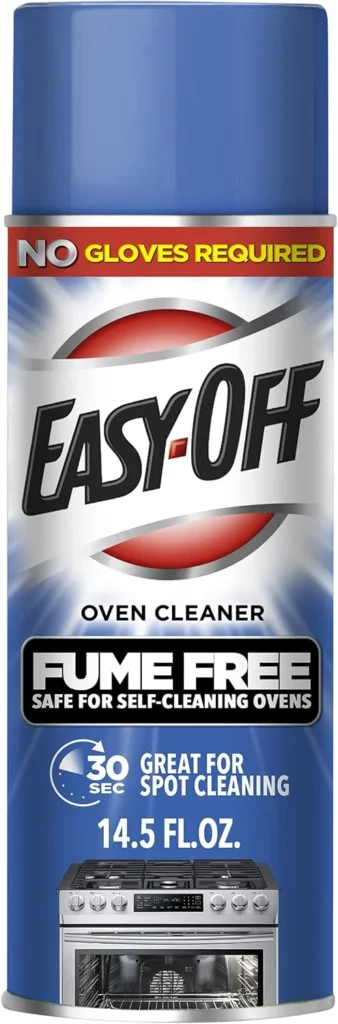
1. Easy-Off Heavy Duty Oven Cleaner
The most effective commercial oven cleaner available for severely soiled ovens. Cuts through years of baked-on grease in hours rather than the overnight soak required by natural methods. My first recommendation for first-time deep cleaning of a heavily neglected oven.
2. Heavy Duty Oven Rack Cleaning Bags
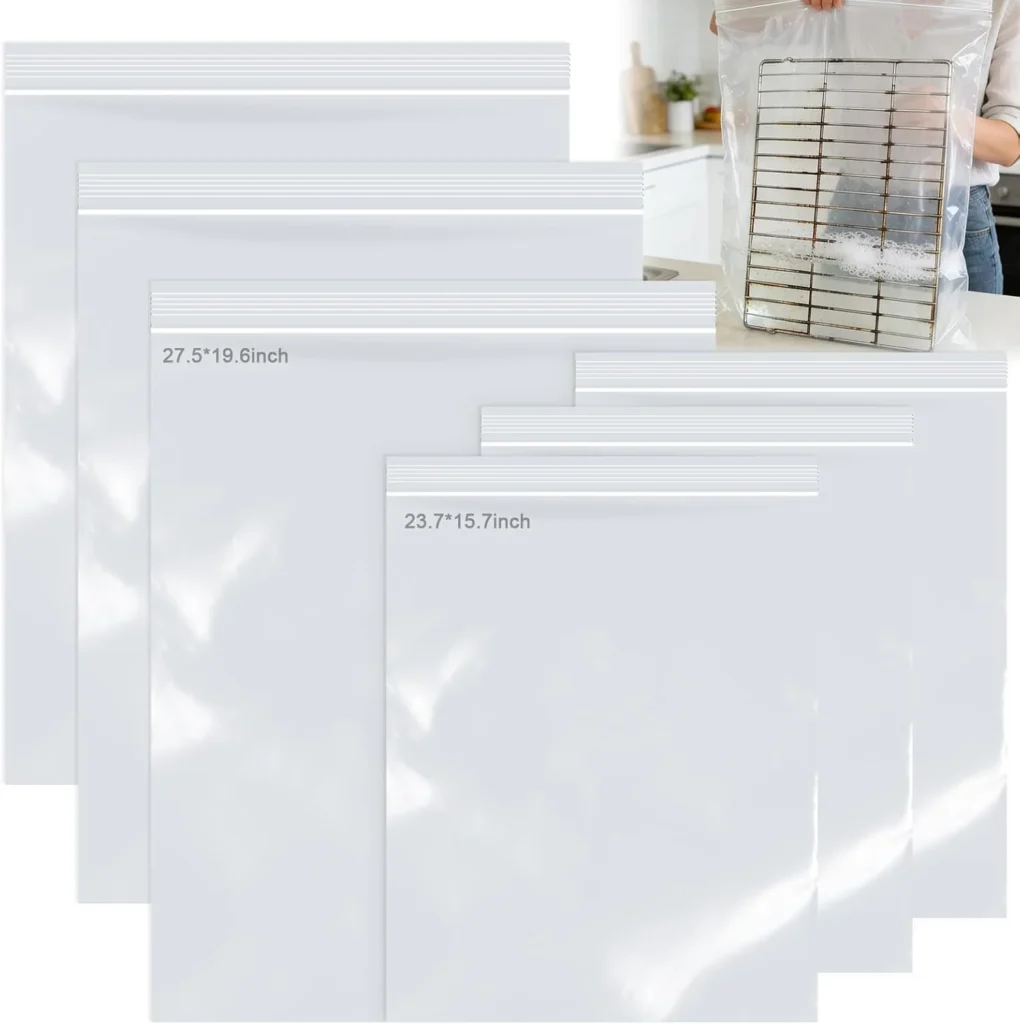
Specialized large plastic bags designed for soaking full-size oven racks without requiring a bathtub. Fill with hot water and dish soap, seal the rack inside, and allow to soak overnight. The most convenient oven rack cleaning solution available.
3. Non-Scratch Heavy Duty Scrubbing Pads (12-Pack)
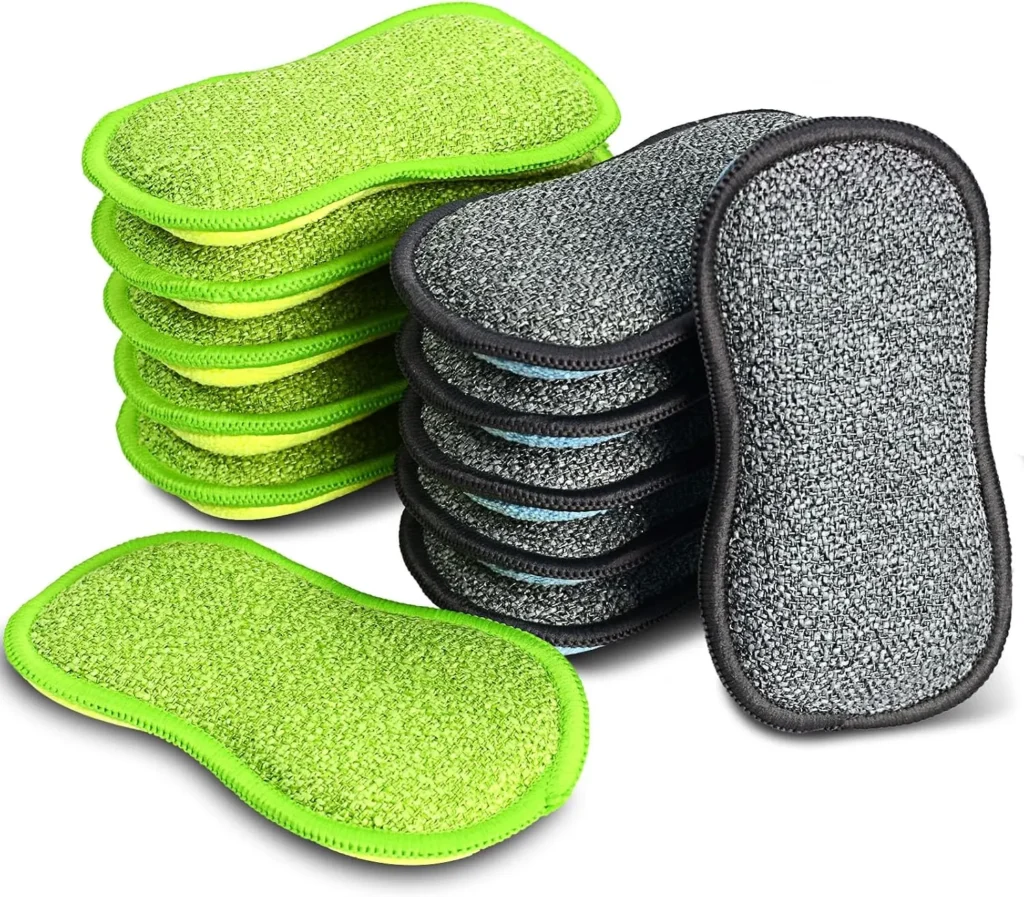
Essential for oven cleaning without scratching enamel surfaces. These pads are tough enough to remove baked-on carbon deposits but safe for all oven interior surfaces. A fundamental tool for any oven cleaning session.