There is nothing quite as unpleasant as cracking an egg into a skillet or mixing bowl and being hit with the sharp, unmistakable smell of sulfur. Whether you are meal prepping a week of breakfasts, baking a cake for a weekend gathering, or simply frying an egg for Tuesday morning breakfast, knowing how to tell if eggs are bad is one of the most practical food safety skills any home cook can master.
As a kitchen efficiency expert based in Austin, Texas, I take egg safety seriously. In the Texas heat, eggs left on the counter for even a short period can enter the temperature danger zone faster than in cooler climates. Over the years, I have tested every method available for checking egg freshness — from the classic float test to professional candling techniques — and I have refined them into five simple, reliable tests that anyone can perform at home in under a minute.
Here is my complete guide on how to tell if eggs are bad using five proven methods that protect your health, prevent food waste, and eliminate the guesswork from your refrigerator.
Table of Contents
Why Eggs Go Bad (And Why It Matters)
Before we dive into how to tell if eggs are bad, it helps to understand the science behind egg spoilage and why some eggs last weeks while others turn within days.

The Science of Egg Spoilage:
A fresh egg has a natural protective coating called the bloom or cuticle. This invisible layer seals the shell’s thousands of tiny pores, preventing bacteria like Salmonella enteritidis from entering and moisture from escaping. When this barrier is compromised — by washing, age, temperature fluctuations, or physical damage — bacteria can penetrate the shell and multiply inside.
The Temperature Danger Zone:
Eggs should be stored at 40°F (4°C) or below. For every hour eggs sit at room temperature (particularly in warm climates like Austin), bacterial growth accelerates exponentially. This is why the USDA strictly recommends against leaving eggs unrefrigerated for more than two hours.
The Four Stages of Egg Aging:
- Day 1-7: Egg is ultra-fresh. The white is thick and firm, the yolk sits high and round.
- Day 8-21: Egg is still perfectly safe and excellent for cooking. The white begins to thin slightly.
- Day 22-35: Egg is safe but best used for baking or hard-boiling. The air cell has enlarged significantly.
- Day 36+: Egg enters the risk zone. Bacterial growth may have reached unsafe levels regardless of smell.
The Warning Signs Your Eggs Have Gone Bad:
- A distinct sulfur or “rotten” odor upon cracking
- Visible green, pink, black, or iridescent discoloration of the white or yolk
- A watery, spread-out white that lacks structure
- A cracked or slimy shell before cracking
- Powdery black, green, or white spots on the shell exterior (mold)
Method 1: The Float Test (The Batch Checker)
This is the most famous answer to how to tell if eggs are bad and remains the fastest way to test multiple eggs at once without cracking them.
The Science:
As an egg ages, moisture evaporates through the porous shell and is replaced by air. This creates an enlarging air cell at the wide end of the egg. A fresh egg has very little air inside, so it sinks. An older egg has enough air to tilt or float.
What You Need:
- A large bowl or tall glass
- Cold water
The 2026 Method:
- Fill your bowl or glass with cold water deep enough to fully submerge an egg
- Gently lower the egg into the water
- Observe the egg’s position immediately:
- Sinks and lies flat on the bottom: Very fresh (1-7 days old)
- Sinks but stands upright on the bottom: Still safe but older (2-3 weeks old)
- Floats to the surface: Spoiled or very old — discard immediately
- Remove the egg promptly and dry it if it passes
- Repeat for each egg you want to test
Why It Works:
The float test is a simple density measurement. A fresh egg is denser than water due to its high moisture content and small air cell. As the egg ages and loses moisture to evaporation, the air cell grows larger, decreasing the overall density. When the air cell becomes large enough, the egg becomes buoyant and floats.
The Limitation:
The float test tells you age and air cell size, but it cannot detect bacterial contamination inside a shell that has not yet lost significant moisture. An egg can sink and still harbor dangerous bacteria if it was temperature-abused.
Best For: Quickly sorting a full carton to identify the oldest eggs that should be used first or discarded.
Related Guide: See my How Long Does Cooked Chicken Last in the Fridge for complete protein storage safety guidelines.
Method 2: The Sniff Test (The Definitive Confirmation)
If you want the single most reliable answer to how to tell if eggs are bad, your nose is the best tool in your kitchen.
The Science:
When eggs spoil, bacteria break down the proteins in the egg white and yolk, producing hydrogen sulfide gas (H₂S) — the compound responsible for the characteristic “rotten egg” smell. This gas is detectable by the human nose at extremely low concentrations, making olfactory detection highly sensitive and accurate.
What You Need:
- A clean bowl
- Your nose
The 2026 Method:
- Crack the egg into a clean bowl rather than directly into your mixing bowl or skillet
- Bring the bowl close to your nose and inhale gently
- A fresh egg will have virtually no smell or a very mild, neutral odor
- A spoiled egg will emit an immediate, sharp sulfur or rotten smell
- If any off-odor is detected, discard the egg immediately and wash the bowl with hot soapy water
Why It Works:
The human nose can detect hydrogen sulfide at concentrations as low as 0.0005 parts per million. No kitchen gadget or visual test matches this sensitivity. If an egg smells bad, it IS bad — there are no exceptions to this rule.
The Crack-First Rule:
Always crack eggs into a separate “test bowl” before adding them to your main ingredients. This prevents one bad egg from ruining an entire cake batter, quiche mixture, or batch of scrambled eggs.
Best For: Final confirmation of freshness immediately before cooking, especially for eggs that passed the float test but are near the end of their storage window.
Related Guide: See my How to Tell If Chicken Is Bad for the same sniff-test principles applied to poultry safety.
Method 3: The Visual Inspection (The Two-Stage Check)
Learning how to tell if eggs are bad requires training your eyes to spot subtle signs of spoilage both before and after cracking.
The Science:
Visual changes in eggs are caused by bacterial growth, protein breakdown, and chemical reactions. A compromised shell may show exterior mold or cracks, while the interior may display discoloration, watery texture, or abnormal yolk positioning.
What You Need:
- Good lighting
- A clean white plate or bowl
The 2026 Method (Stage 1 — The Shell):
- Hold the egg up to a light source
- Inspect the shell for:
- Hairline cracks or fractures
- A powdery, chalky coating (may indicate mold)
- Black, green, or pink spots on the shell surface
- A slimy or unusually slick texture
- If the shell shows any of these signs, discard the egg without cracking it
The 2026 Method (Stage 2 — The Interior):
- Crack the egg onto a clean white plate or into a white bowl
- Observe the egg white (albumen):
- Fresh: Thick, cloudy, and holds its shape close to the yolk
- Older but safe: Slightly thinner but still mostly clear
- Bad: Extremely watery, completely clear, or showing pink, green, or iridescent discoloration
- Observe the yolk:
- Fresh: Firm, round, and sits high on the white
- Older but safe: Slightly flatter but still intact
- Bad: Breaks easily, shows dark spots, or has an off-color ring
Why It Works:
The appearance of the egg white and yolk directly reflects protein structure integrity. As eggs age naturally, the white thins and the yolk flattens — this is normal and safe. However, discoloration, pink tones, or greenish hues indicate bacterial contamination or chemical decomposition that makes the egg unsafe to eat.
Best For: Identifying shell damage before purchase or use, and spotting advanced bacterial contamination that smell alone might miss.
Method 4: The Shake Test (The Quick Check)
When you need a fast answer to how to tell if eggs are bad without water, bowls, or cracking, the shake test provides immediate feedback.
The Science:
A very fresh egg has minimal air space inside and thick, viscous contents. When shaken, the contents move as a single mass with little audible sloshing. As an egg ages and the white thins, the yolk and white move more independently, creating a distinct sloshing sound.
What You Need:
- Your hand
- Your ear
The 2026 Method:
- Hold the egg up to your ear
- Shake it gently but firmly from side to side
- Listen carefully:
- No sound or very slight thud: Very fresh egg
- A faint sloshing sound: Older but likely still safe
- A pronounced, watery sloshing sound: Very old egg — the contents have thinned significantly
- If you hear a distinct slosh, verify with the float test or sniff test before using
Why It Works:
The viscosity of the egg white is the key variable. Fresh albumen is thick and gel-like, cushioning the yolk and preventing free movement. As the egg ages, the proteins in the white break down and water migrates from the white to the yolk, creating more free liquid inside the shell and producing the sloshing sound.
The Limitation:
The shake test indicates age and thinning but is less reliable than the float test or sniff test for detecting early bacterial spoilage. Use it as a quick screening tool, not a definitive safety test.
Best For: A fast preliminary check when sorting eggs in the carton or deciding which eggs to use first.
Method 5: The Julian Date Decoder (The Knowledge Test)
The most overlooked answer to how to tell if eggs are bad is simply reading the carton correctly. Most people confuse the sell-by date with the expiration date, leading to perfectly good eggs being discarded or questionable eggs being used.
The Science:
In the United States, the USDA requires egg cartons to display a Julian date — a three-digit number representing the day of the year the eggs were packed. This is the most accurate freshness indicator available, far more precise than sell-by dates which vary by state and retailer.
The 2026 Method:
- Locate the three-digit Julian date printed on the short end of the carton (typically between 001 and 365)
- 001 = January 1st
- 032 = February 1st
- 152 = June 1st
- 365 = December 31st
- Count forward from that date:
- Days 1-7 from pack date: Ultra-fresh
- Days 8-30: Fresh and excellent for all uses
- Days 31-45: Safe but best for hard-boiling or baking
- Days 46-60: Use immediately or discard
- Beyond 60 days: Discard regardless of appearance
- Check the sell-by date as a secondary reference, but prioritize the Julian date
Why It Works:
The Julian date tells you exactly when the eggs were washed, graded, and placed in the carton. Sell-by dates are retailer guidelines for inventory rotation, not safety deadlines. Eggs are typically good for 4-5 weeks beyond their pack date when properly refrigerated at 40°F or below.
Pro Tip from Sarah:
In my Austin kitchen, I write the purchase date on the carton lid with a permanent marker the moment I bring eggs home. This eliminates confusion between multiple cartons and ensures I always use the oldest eggs first — a simple habit that prevents waste and guarantees safety.
Best For: Determining true egg age before purchase or when deciding whether a forgotten carton in the back of the refrigerator is still usable.
The “Often Forgotten” Egg Safety Factors
A complete guide on how to tell if eggs are bad must address these frequently overlooked storage and handling considerations:
The Refrigerator Temperature:
Eggs must be stored at 40°F (4°C) or below. Many home refrigerators, especially in warm climates like Texas, run warmer than this in the door compartments where eggs are often stored.
The Method:
- Place a refrigerator thermometer on the middle shelf (not the door)
- Check weekly during summer months
- If your refrigerator runs above 40°F, adjust the dial and move eggs to the coldest part of the main shelf, not the door
The Washing Mistake:
In the United States, commercial eggs are washed before packaging, which removes the protective bloom. Never wash eggs before storing them — you cannot restore the bloom, and washing actually introduces bacteria through the porous shell.
The Door vs. Shelf Debate:
Despite built-in egg compartments, the refrigerator door is the warmest, most temperature-unstable location in your refrigerator due to frequent opening. Store eggs in their original carton on a middle or lower shelf for maximum temperature stability and freshness longevity.
The Cracked Egg Rule:
If an egg cracks in the carton, use it immediately or discard it. A cracked shell is an open invitation for bacteria to enter, and no amount of refrigeration can fully protect a compromised egg.
Egg Freshness Test Comparison Table
| Test | Time Required | Equipment Needed | Reliability | Best Used When |
|---|---|---|---|---|
| Float Test | 30 seconds | Bowl of water | Good | Testing multiple eggs at once |
| Sniff Test | 5 seconds | Clean bowl | Excellent | Final check before cooking |
| Visual Inspection | 15 seconds | Light source/plate | Good | Checking shell integrity or appearance |
| Shake Test | 5 seconds | None | Moderate | Quick preliminary screening |
| Julian Date Check | 1 minute | Carton label | Very Good | Determining true pack age |
Sarah’s Egg Safety and Storage Routine
In my Austin kitchen, I follow this systematic approach to ensure I never encounter a bad egg:
When Buying:
- Check Julian dates and choose the most recent pack date
- Inspect carton for cracks or stains
- Open the carton and verify no shells are cracked before purchasing
When Storing:
- Write the purchase date on the carton lid
- Store in the original carton on a middle shelf (never the door)
- Verify refrigerator temperature is 40°F or below weekly
Weekly:
- Perform the float test on any carton approaching three weeks old
- Rotate cartons so older eggs are used first
- Discard any eggs with shell abnormalities immediately
Before Cooking:
- Crack every egg into a separate test bowl before adding to main ingredients
- Perform sniff and visual inspection on any egg that seems questionable
- When in doubt, throw it out — eggs are inexpensive; food poisoning is not
Common Mistakes When Checking Egg Freshness
When learning how to tell if eggs are bad, avoid these dangerous errors:
- Relying solely on the sell-by date: This is a retailer inventory guideline, not a safety expiration date. Julian dates are more accurate.
- Storing eggs in the refrigerator door: The door experiences the most temperature fluctuation, accelerating spoilage.
- Washing eggs before storage: This removes any remaining protective barrier and introduces bacteria through the shell pores.
- Using the float test as the only check: An egg can sink and still harbor dangerous bacteria if temperature-abused.
- Ignoring a cracked shell: Even hairline cracks compromise the egg’s safety barrier completely.
- Leaving eggs on the counter: In warm climates or during summer months, eggs can enter the danger zone within 30 minutes.
- Sniffing directly from the shell: Always crack into a bowl first — a severely contaminated egg could aerosolize bacteria when cracked close to your face.
Sarah’s Final Advice
Mastering how to tell if eggs are bad is about combining multiple tests rather than relying on any single method. The float test efficiently sorts your carton by age. The Julian date tells you the true timeline. The sniff test provides definitive confirmation of bacterial spoilage. Together, they create a foolproof safety system.
In 2026, with grocery costs higher than ever, the impulse to use older eggs to avoid waste is understandable. But eggs are one of the least expensive proteins in your kitchen, and Salmonella food poisoning is one of the most miserable and dangerous foodborne illnesses. When any test gives you doubt, the rule is simple: discard the egg.
For more food safety guidance, see my How Long Does Cooked Chicken Last in the Fridge or explore my The Ultimate Meal Prep System 2026 for safe egg-based meal prep strategies that keep your weekly breakfasts fresh and delicious.
Shop the Kitchen: Sarah’s Egg Safety Essentials
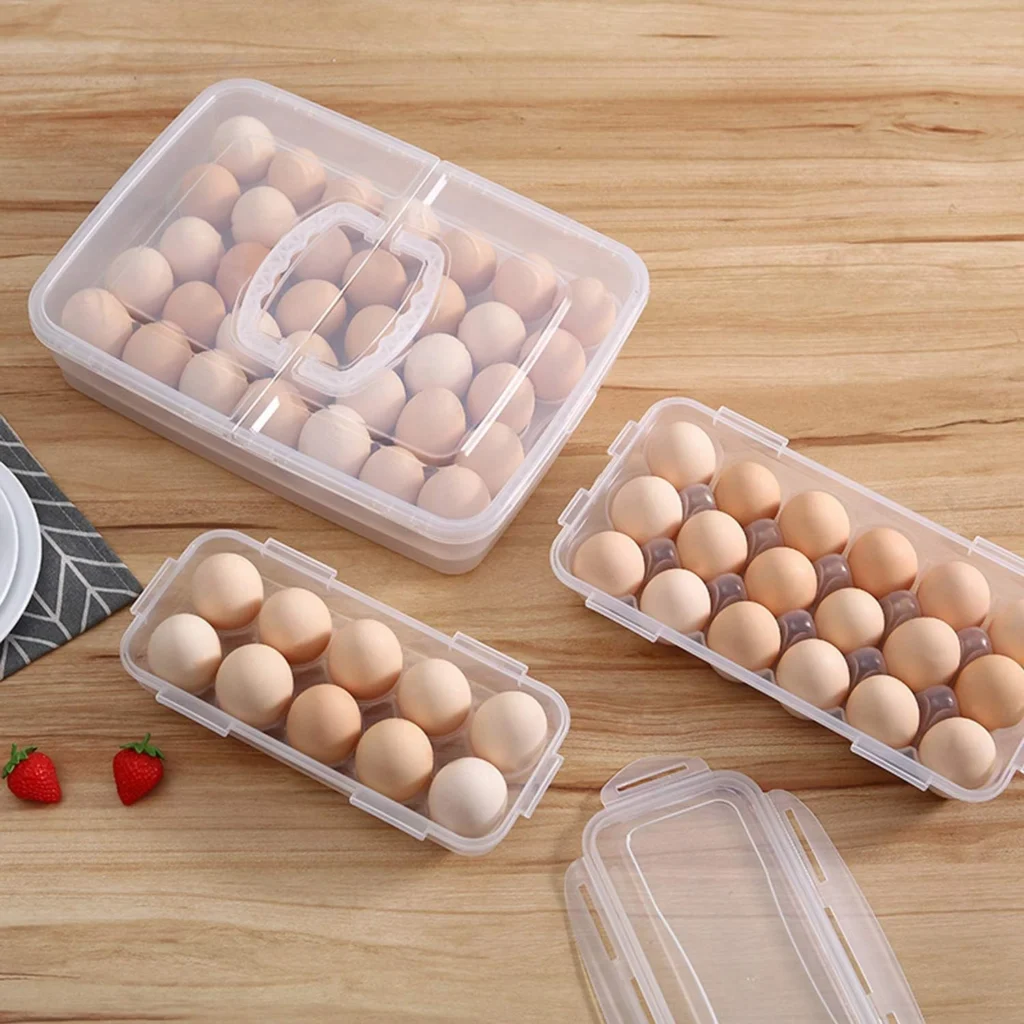
1. Airtight Egg Storage Container for Refrigerator
A dedicated egg holder with a snap-lock lid protects eggs from absorbing refrigerator odors and prevents the carton from being crushed. Look for models that hold 18-24 eggs and stack securely on refrigerator shelves.
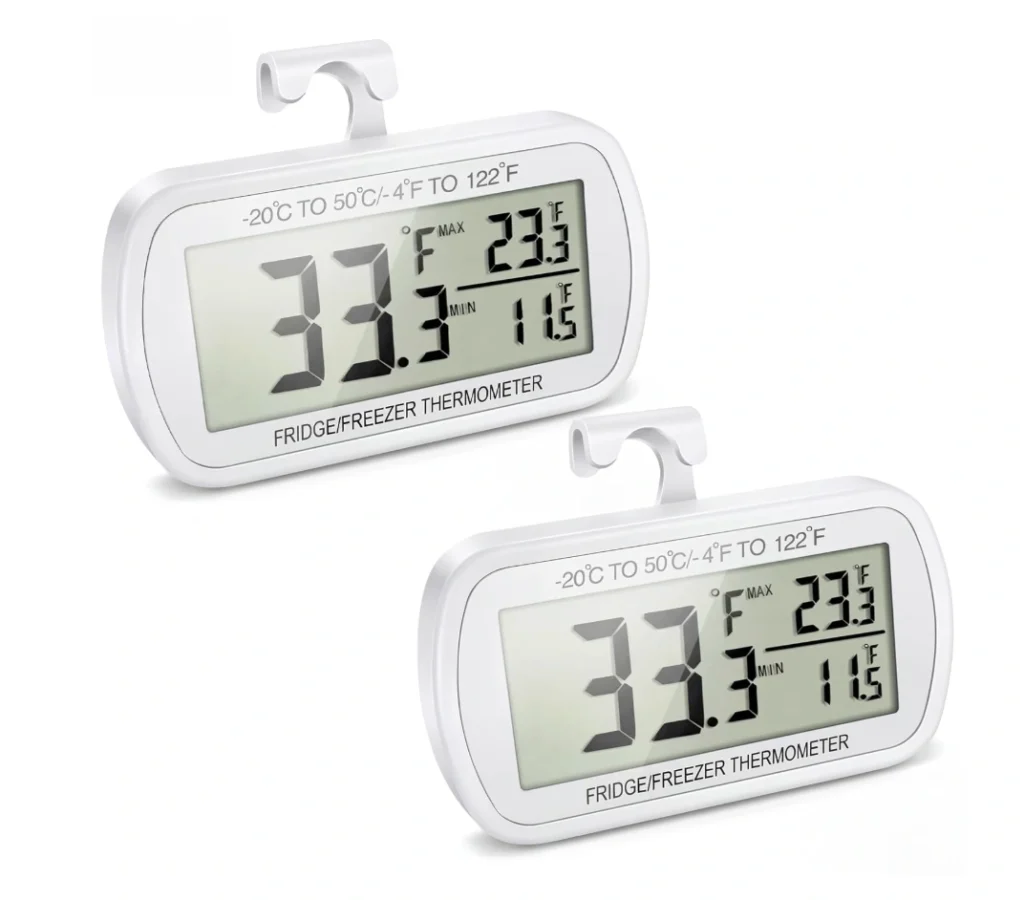
2. Digital Refrigerator Thermometer
Essential for verifying your refrigerator maintains 40°F or below — the critical threshold for egg safety. I keep one on my middle shelf in Austin and check it weekly during summer heat waves.
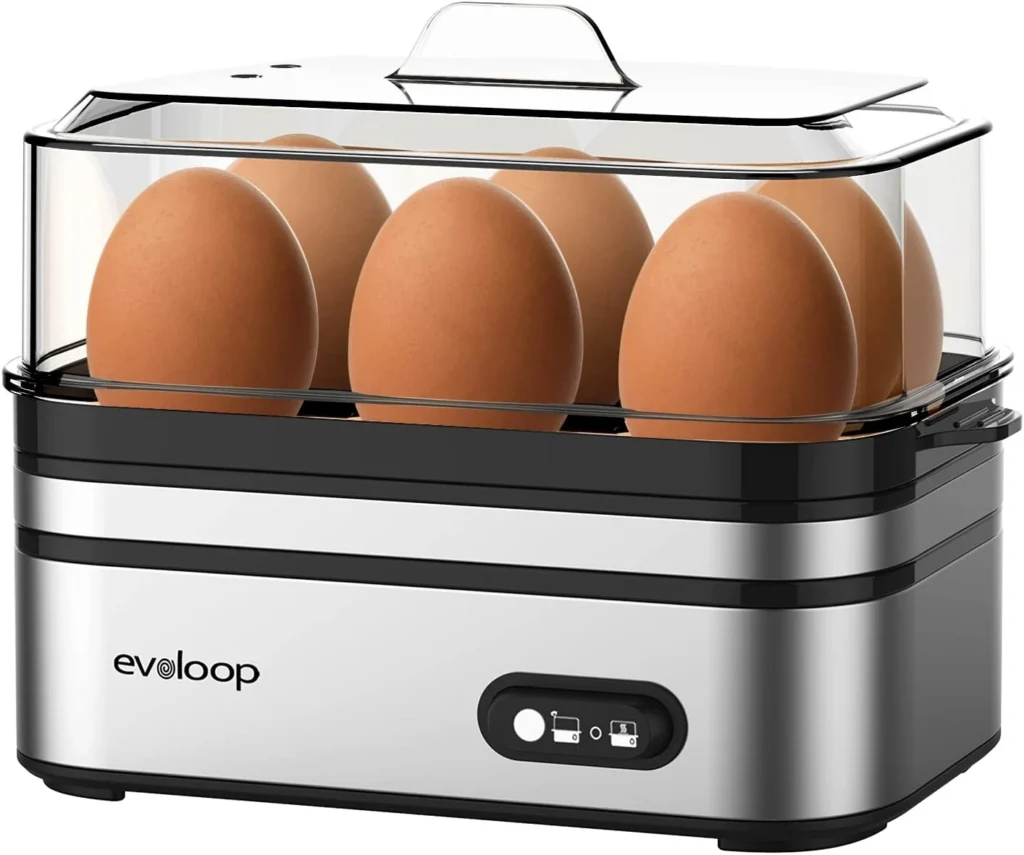
3. Rapid Egg Cooker (Electric, 6-Egg Capacity)
The fastest way to prepare eggs safely without monitoring boiling water. Perfect for meal prepping a week of hard-boiled eggs in under 15 minutes with consistent, fully-cooked results every time.