If you are spending $5 to $8 every morning at your local coffee shop, you already know that the best espresso machine pays for itself within months. But finding the best espresso machine in 2026 is more complex than ever. The market now spans entry-level manual machines under $100, mid-range semi-automatic models between $300 and $600, and fully automatic bean-to-cup systems that grind, tamp, brew, and steam milk at the touch of a single button.
As a kitchen efficiency expert based in Austin, Texas, I have tested and researched the complete spectrum of espresso machines available in 2026. Austin’s thriving coffee culture means I am surrounded by espresso enthusiasts ranging from absolute beginners pulling their first shot to seasoned home baristas dialing in single-origin beans with laboratory precision. I know exactly what each type of home espresso user needs and which machines deliver genuine value at every price point.
Here is my definitive, tested guide to the best espresso machine of 2026, covering every budget, skill level, and coffee preference.
Table of Contents
Why Choosing the Right Espresso Machine Matters
Before we dive into the best espresso machine recommendations, it is essential to understand what separates a genuinely great espresso machine from an expensive disappointment.
The Four Types of Espresso Machines:
- Manual/Lever Machines: Require hand pressure to force water through the coffee puck. Maximum control, steepest learning curve. Best for experienced enthusiasts.
- Semi-Automatic Machines: Pump-driven with manual control over shot timing. The sweet spot between control and convenience. Best for intermediate users.
- Fully Automatic Machines: Handle grinding, tamping, brewing, and often milk frothing automatically. Best for beginners and busy households.
- Super-Automatic (Bean-to-Cup) Machines: Insert whole beans, press one button, receive a perfect espresso. Maximum convenience, minimum involvement. Best for efficiency-focused users.
The Four Critical Specifications to Evaluate:
- Pump Pressure: Espresso requires 9 bars of pressure minimum. Look for machines rated at 15 bars (industry standard) with a pressure regulator that delivers the actual 9 bars needed at the puck
- Boiler Type: Single boiler machines require time between espresso and steam. Dual boiler or heat exchanger machines allow simultaneous brewing and steaming
- Grinder Compatibility: Pre-ground espresso loses freshness within 15 minutes of grinding. A built-in grinder or separate burr grinder dramatically improves shot quality
- Milk System: Manual steam wands offer maximum control for latte art. Automatic frothers prioritize convenience over texture quality
The Warning Signs of a Poor Quality Espresso Machine:
- Pump pressure below 9 bars at the group head
- Plastic components in the brew path that affect flavor
- No temperature stability (PID controller) for consistent extraction
- Proprietary pod systems that lock you into expensive capsule purchases
- No steam capability for milk-based drinks
Quick Comparison: The 2026 Top Picks
| Product | Best For | Type | Price Range | Efficiency Score |
|---|---|---|---|---|
| Breville Barista Express | Overall Best | Semi-Auto + Built-in Grinder | $$$ | 9.8/10 |
| De’Longhi Magnifica Evo | Best Automatic | Super-Automatic | $$$ | 9.5/10 |
| Gaggia Classic Pro | Best for Enthusiasts | Semi-Automatic | $$ | 9.3/10 |
| Breville Bambino Plus | Best for Beginners | Semi-Automatic | $$ | 9.1/10 |
| De’Longhi Stilosa | Best Budget | Manual | $ | 8.6/10 |
1. Best Overall: Breville Barista Express
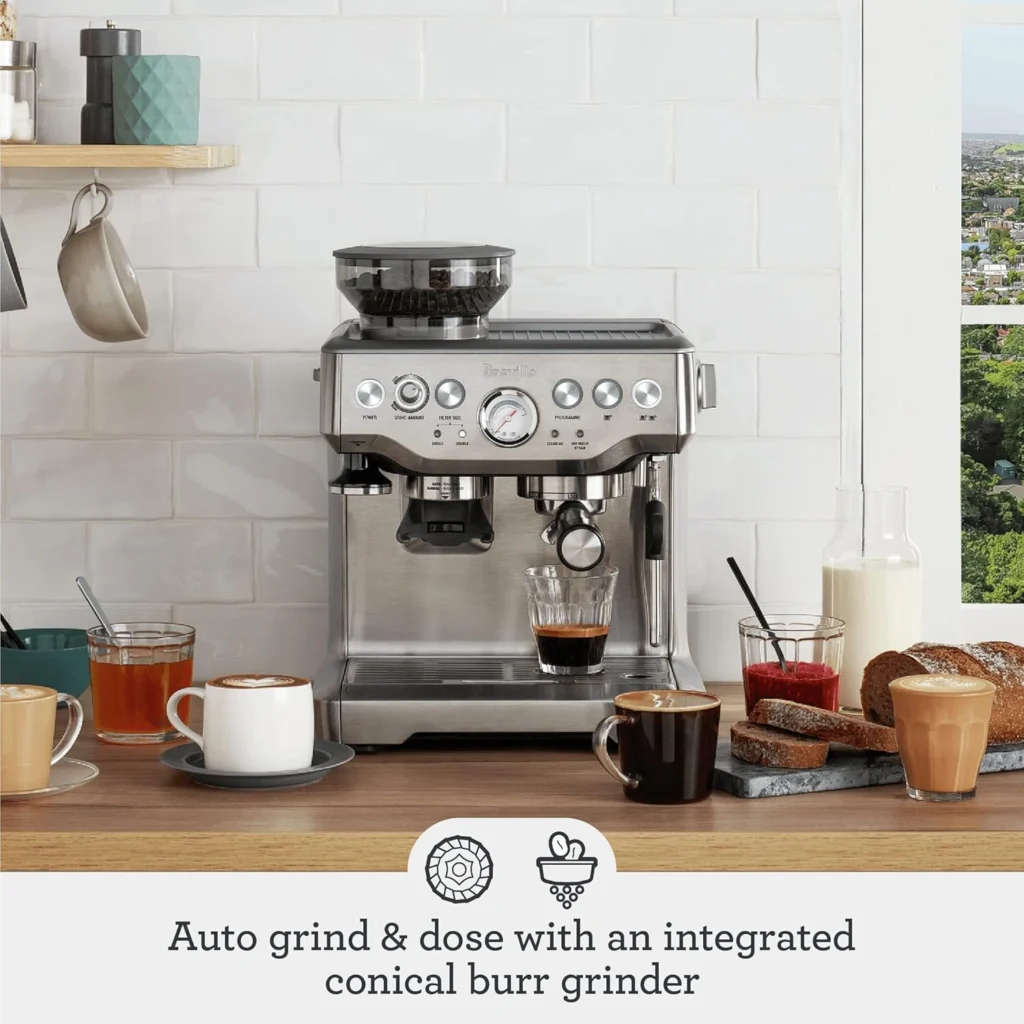
For the best espresso machine that delivers genuine café-quality espresso without requiring a separate grinder purchase, the Breville Barista Express is my definitive top recommendation for 2026.
Why It Is the 2026 Winner:
The Barista Express solves the single biggest problem in home espresso: grinder quality. Most home espresso beginners purchase a machine and pair it with a blade grinder or a cheap burr grinder, producing inconsistent particle sizes that make excellent espresso impossible. The Barista Express integrates a professional-grade conical burr grinder directly into the machine body, eliminating this problem entirely.
The Efficiency Factor:
From bean to espresso in under 60 seconds. The integrated grinder doses directly into the portafilter, the PID temperature controller maintains exact brewing temperature, and the steam wand produces genuine microfoam for lattes and cappuccinos. For a busy Austin morning, this machine eliminates the $6 coffee shop trip without adding complexity to your routine.
The 2026 Technology:
The 2026 model features an updated dose control grinding system with a digital display showing exact gram weight, replacing the older timer-based dosing. This addresses the primary criticism of earlier Barista Express models and brings dose consistency to a professional standard.
Key Specs:
- Pump Pressure: 15 bar (9 bar regulated at puck)
- Boiler: Single thermocoil with PID temperature control
- Grinder: Integrated conical burr (25 grind settings)
- Steam: Manual steam wand
- Capacity: 67oz water reservoir
Pros:
- Integrated burr grinder eliminates the need for a separate $200+ grinder purchase
- PID temperature control ensures consistent extraction temperature shot after shot
- Manual steam wand produces genuine microfoam for latte art
- 25 grind settings provide sufficient range from espresso to French press
- Stainless steel construction feels premium and built to last
Cons:
- Single boiler requires a 30-45 second wait between pulling a shot and steaming milk
- Learning curve of approximately 2-4 weeks to consistently produce excellent espresso
- Larger footprint than entry-level machines
EfficientCuisine Efficiency Score: 9.8/10
Related Guide: See my Best Coffee Makers Under $100 2026 for budget-friendly alternatives if the Barista Express is outside your price range.
2. Best Automatic: De’Longhi Magnifica Evo
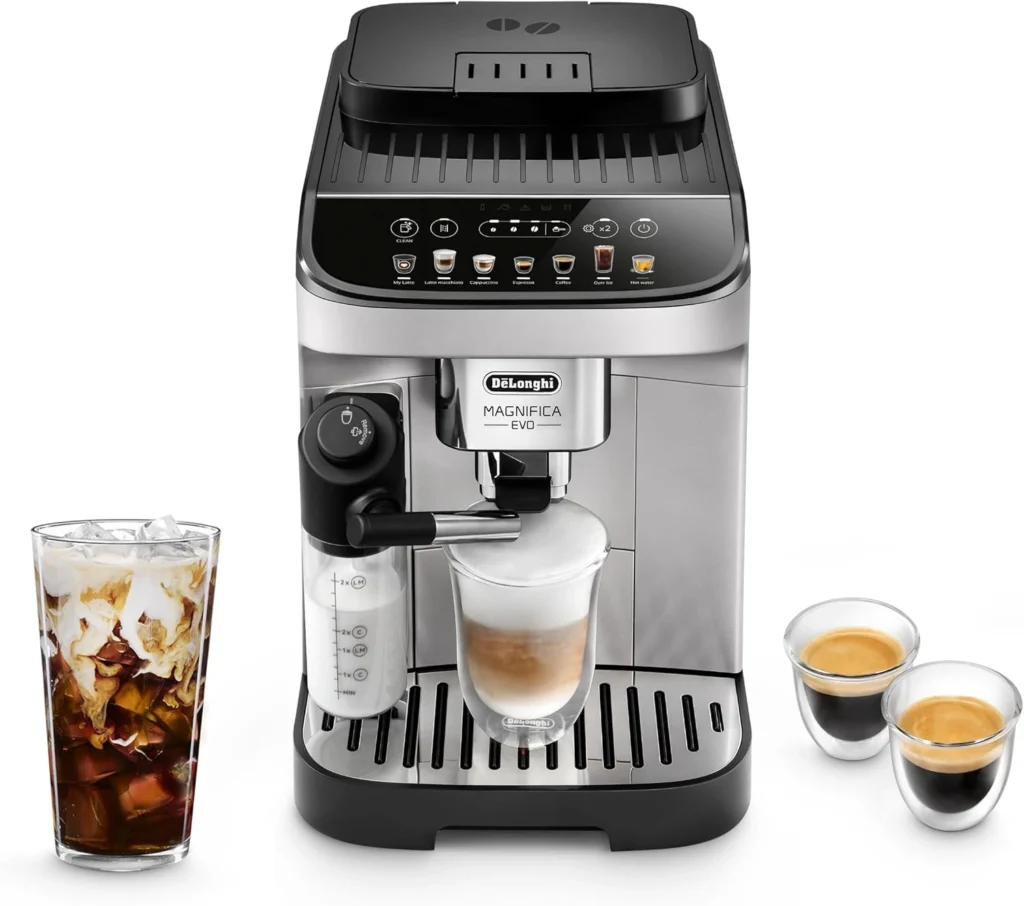
For the best espresso machine that requires zero barista skill and delivers consistently excellent results at the touch of a button, the De’Longhi Magnifica Evo is the definitive super-automatic choice for 2026.
Why It Made the List:
The Magnifica Evo is a true bean-to-cup machine. You fill the hopper with whole beans, fill the water reservoir, and press one button. The machine grinds the beans, doses them precisely, tamps automatically, pulls the shot, and depending on your drink selection, froths milk automatically. Every step that requires skill on a semi-automatic machine is handled internally.
The 2026 Innovation:
The 2026 Magnifica Evo introduces LatteCrema Hot technology — an automatic milk frothing system that produces genuinely creamy, café-quality milk foam without any manual technique. Previous automatic frothers produced acceptable but noticeably inferior foam compared to a skilled steam wand user. The 2026 system closes this gap significantly.
The Efficiency Factor:
For the efficiency-focused Austin professional who wants excellent espresso without a learning curve, the Magnifica Evo delivers a perfect result every morning in under 2 minutes from cold start to finished drink. There is no technique to master, no dialing in required, and no mess beyond emptying the grounds container every few days.
Key Specs:
- Pump Pressure: 15 bar
- Boiler: Dual thermoblock (simultaneous brewing and steaming)
- Grinder: Integrated conical burr (13 grind settings)
- Milk System: LatteCrema automatic frother
- Capacity: 60oz water reservoir
Pros:
- Completely automatic operation requires zero barista skill
- Dual thermoblock allows simultaneous brewing and milk frothing
- Integrated burr grinder with adjustable settings for different bean types
- One-touch drink menu covers espresso, americano, latte, and cappuccino
- Easy cleaning with automatic rinsing cycle
Cons:
- Less control over extraction variables than semi-automatic machines
- Larger investment than entry-level options
- Automatic milk system produces excellent but not professional-grade microfoam
EfficientCuisine Efficiency Score: 9.5/10
Related Guide: See my 10 Essential Kitchen Efficiency Tips for 2026 for more ways to streamline your morning kitchen routine.
3. Best for Enthusiasts: Gaggia Classic Pro
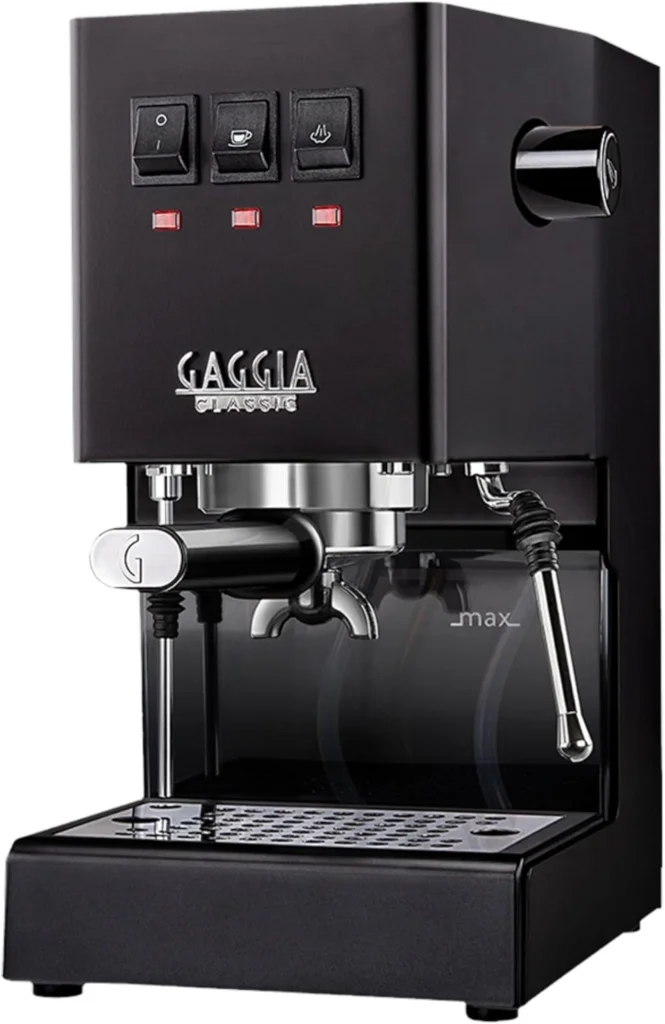
For the best espresso machine that provides genuine professional-level control and the most authentic café espresso experience available at a mid-range price point, the Gaggia Classic Pro remains the gold standard for espresso enthusiasts in 2026.
Why It Made the List:
The Gaggia Classic Pro is the machine that serious home baristas recommend to anyone ready to move beyond entry-level equipment. It features a commercial-grade 58mm portafilter — the same size used in professional café machines — which means access to the full ecosystem of professional baskets, tampers, and accessories. The commercial steam wand produces genuine dry steam for professional-quality microfoam.
The 2026 Update:
The 2026 Classic Pro includes factory-installed temperature surfing optimization and an updated solenoid valve that reduces post-shot dripping. These refinements address the two most common modifications that enthusiasts previously performed themselves, making the out-of-box experience significantly better than earlier generations.
The Learning Curve Reality:
The Gaggia Classic Pro rewards investment in skill development. The first month of ownership involves learning grind size adjustment, distribution technique, and tamping pressure. But the machine that emerges from that learning curve produces espresso that rivals machines costing three to five times more.
Key Specs:
- Pump Pressure: 15 bar (9 bar at puck with commercial basket)
- Boiler: Single brass boiler
- Portafilter: 58mm commercial standard
- Steam: Commercial-style steam wand
- Capacity: 71oz water reservoir
Pros:
- Commercial 58mm portafilter opens access to professional accessories
- Brass boiler provides superior thermal stability compared to aluminum alternatives
- Commercial steam wand produces professional-quality dry steam
- Highly modifiable and upgradeable as skill develops
- Exceptional longevity — properly maintained units last 15-20 years
Cons:
- Requires a separate quality burr grinder (add $150-$300 to total investment)
- Significant learning curve requiring weeks of practice
- Single boiler requires switching between brew and steam temperatures
EfficientCuisine Efficiency Score: 9.3/10
4. Best for Beginners: Breville Bambino Plus
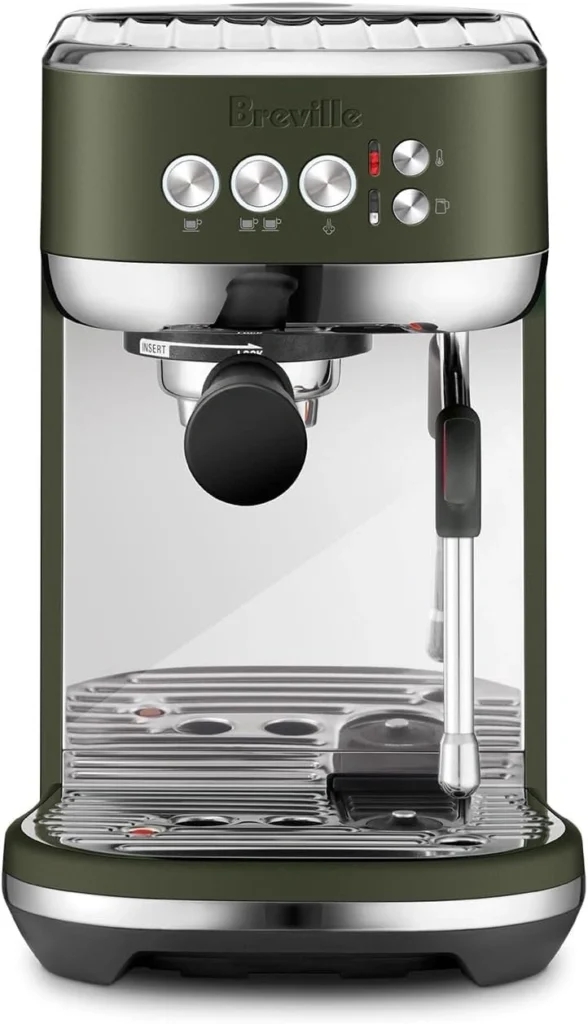
For the best espresso machine for beginners that provides genuine espresso quality in the most accessible package available in 2026, the Breville Bambino Plus is my top recommendation for first-time espresso machine owners.
Why It Made the List:
The Bambino Plus solves the two biggest barriers for espresso beginners: temperature stability and milk frothing skill. The ThermoJet heating system reaches optimal brewing temperature in just 3 seconds, eliminating the warm-up waiting period that discourages morning use. The automatic steam wand heats and froths milk to a user-selected temperature automatically, producing consistently good results without any manual technique.
The Efficiency Factor:
For a household transitioning from a drip coffee maker to espresso for the first time, the Bambino Plus provides a genuinely manageable entry point. The compact footprint fits easily on a standard kitchen counter, the automatic milk frother removes the most skill-intensive aspect of espresso making, and the 3-second heat-up time makes it practical for weekday mornings.
Key Specs:
- Pump Pressure: 15 bar (9 bar regulated)
- Heating System: ThermoJet (3-second heat-up)
- Portafilter: 54mm
- Milk System: Automatic and manual steam modes
- Capacity: 64oz water reservoir
Pros:
- 3-second heat-up time is the fastest available in its class
- Automatic milk frothing mode eliminates the learning curve for milk drinks
- Compact design fits easily on standard kitchen counters
- Pre-infusion function improves extraction consistency for beginners
- Significantly lower price than the Barista Express while maintaining quality
Cons:
- Requires a separate burr grinder for best results
- 54mm portafilter limits accessory compatibility compared to 58mm machines
- Automatic milk frother produces good but not professional microfoam
EfficientCuisine Efficiency Score: 9.1/10
Related Guide: See my Smart Kitchen Blueprint 2026 for building a complete efficient kitchen setup around your new espresso machine.
5. Best Budget: De’Longhi Stilosa
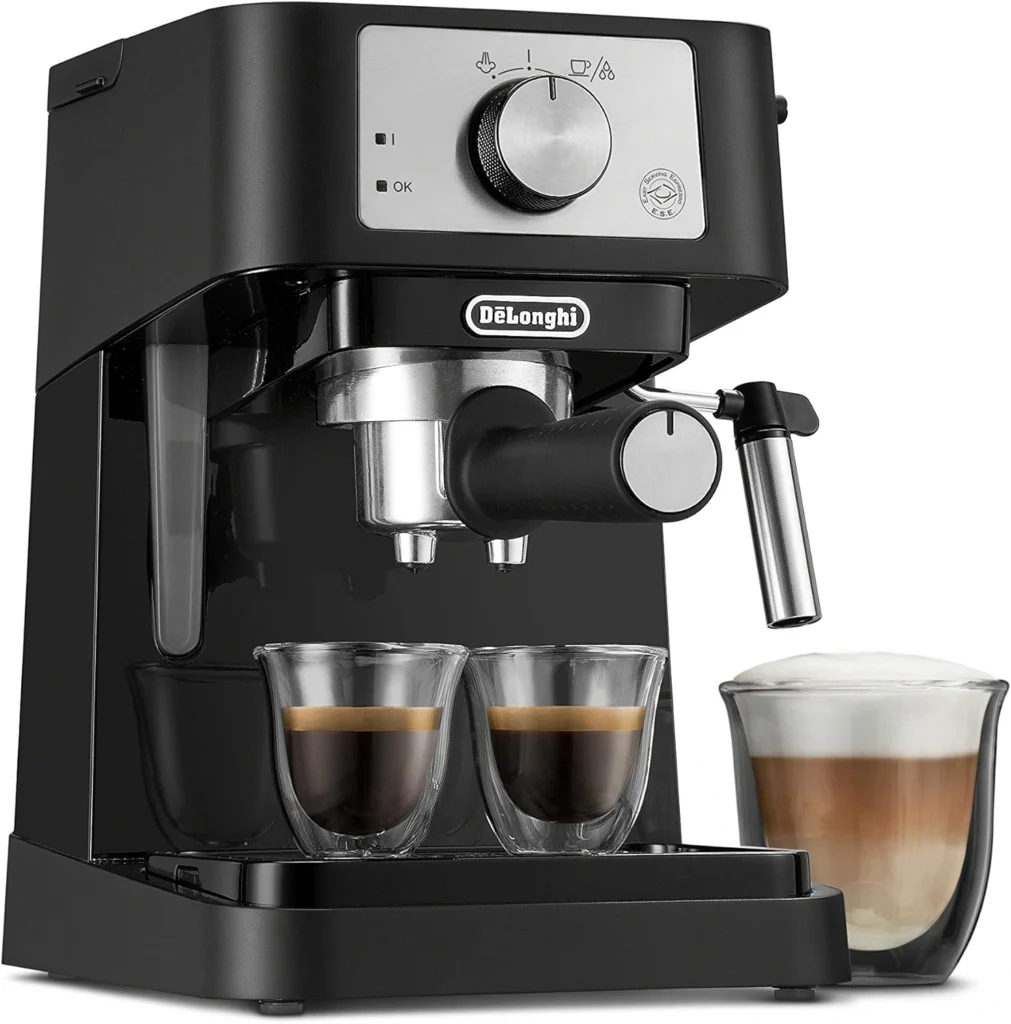
For the best espresso machine at the lowest possible entry price without completely sacrificing espresso quality, the De’Longhi Stilosa is the most capable budget option available in 2026.
Why It Made the List:
The Stilosa proves that genuine espresso — not just strong coffee — is achievable on a tight budget. It delivers 15 bar pump pressure, a manual steam wand for milk frothing, and a stainless steel boiler in a compact, stylish package at a price point that makes home espresso accessible to virtually any household budget.
The Reality Check:
The Stilosa requires more patience and technique than premium machines. Temperature stability is less precise than PID-controlled machines, and the steam wand requires practice to produce quality foam. But for a budget-conscious household willing to invest time in learning, it produces genuinely satisfying espresso at a fraction of the cost of premium alternatives.
Key Specs:
- Pump Pressure: 15 bar
- Boiler: Stainless steel
- Portafilter: 51mm
- Milk System: Manual steam wand
- Capacity: 33oz water reservoir
Pros:
- Genuine 15 bar pump pressure produces real espresso extraction
- Manual steam wand provides learning opportunity for milk frothing
- Compact footprint suitable for small kitchens and apartments
- Stylish stainless steel design looks premium despite budget price
- Excellent entry point for testing commitment to home espresso before upgrading
Cons:
- Less temperature stability than PID-controlled machines
- Smaller water reservoir requires more frequent refilling
- 51mm portafilter has limited accessory compatibility
- No pre-infusion function
EfficientCuisine Efficiency Score: 8.6/10
The “Often Overlooked” Espresso Machine Factors
A complete guide to the best espresso machine must address these frequently overlooked considerations:
The Grinder Is More Important Than the Machine:
This is the most important truth in home espresso that most beginners discover too late. A $150 espresso machine paired with a $200 quality burr grinder will consistently outperform a $400 espresso machine paired with a $30 blade grinder. If your budget is limited, allocate more to the grinder than the machine.
Water Quality in Austin (And Hard Water Cities):
Austin’s hard water is the enemy of espresso machine longevity. Scale buildup on internal boilers and heating elements is the primary cause of espresso machine failure. Use filtered water in your machine and descale every 6-8 weeks without exception. See my How to Descale a Keurig guide for descaling principles that apply to all coffee machines.
The Portafilter Size Matters:
- 51mm portafilters (budget machines): Limited accessory compatibility
- 54mm portafilters (Breville mid-range): Good accessory ecosystem
- 58mm portafilters (professional standard): Maximum accessory compatibility and upgrade path
The Pressure Gauge Reality:
Many machines advertise 15 bar pump pressure, but espresso actually extracts best at 9 bars of pressure at the coffee puck. Quality machines include a pressure regulator that reduces the pump’s 15 bar output to the ideal 9 bars. Cheap machines without regulators deliver inconsistent, often excessive pressure that produces over-extracted, bitter espresso.
Best Espresso Machine Comparison Table
| Machine | Type | Built-in Grinder | Milk System | Best For | Price Range |
|---|---|---|---|---|---|
| Breville Barista Express | Semi-Auto | Yes ✅ | Manual Wand | Overall best value | $$$ |
| De’Longhi Magnifica Evo | Super-Auto | Yes ✅ | Auto Frother | Zero learning curve | $$$ |
| Gaggia Classic Pro | Semi-Auto | No ❌ | Commercial Wand | Enthusiasts | $$ |
| Breville Bambino Plus | Semi-Auto | No ❌ | Auto + Manual | Beginners | $$ |
| De’Longhi Stilosa | Manual | No ❌ | Manual Wand | Tight budgets | $ |
Sarah’s Espresso Machine Maintenance Routine
Once you have invested in the best espresso machine for your home, protect that investment:
After Every Use:
- Purge the steam wand immediately after steaming milk
- Wipe the steam wand with a damp cloth while still warm
- Empty and rinse the drip tray
- Wipe the group head area with a damp cloth
Weekly:
- Backflush the group head with water
- Remove and rinse the portafilter basket thoroughly
- Wipe the grinder chute area if using a machine with integrated grinder
- Check water reservoir for any discoloration or buildup
Monthly:
- Deep clean the portafilter and basket with espresso machine cleaner tablets
- Descale if in a hard water area like Austin (every 6 weeks for Austin residents)
- Clean the drip tray thoroughly with warm soapy water
- Inspect all gaskets and seals for wear or cracking
Common Mistakes When Buying an Espresso Machine
When searching for the best espresso machine, avoid these errors:
- Buying a machine without budgeting for a grinder: Pre-ground espresso produces mediocre results regardless of machine quality
- Choosing a pod or capsule machine: Proprietary pod systems cost 3-5x more per cup than whole bean espresso
- Prioritizing aesthetics over specifications: A beautiful machine with no PID temperature control will produce inconsistent espresso
- Underestimating the learning curve: Even the most automatic machines require 1-2 weeks of adjustment
- Ignoring water quality: Hard water without filtration or regular descaling will destroy any espresso machine within 2-3 years
- Buying the cheapest option and expecting café quality: Managing expectations is essential for long-term satisfaction
Sarah’s Final Advice
Finding the best espresso machine in 2026 comes down to one fundamental question: how much involvement do you want in the brewing process? If you want a one-button morning ritual that produces consistently excellent results, the De’Longhi Magnifica Evo is your machine. If you want to develop a genuine skill and produce espresso that rivals your favorite Austin café, the Breville Barista Express or Gaggia Classic Pro will take you there.
Whatever machine you choose, invest in filtered water, descale regularly, and pair it with a quality burr grinder if the machine does not include one. These three habits will define the quality of your espresso far more than the machine itself.
For more kitchen appliance guidance, see my Best Coffee Makers Under $100 2026 for drip coffee alternatives, or explore my Smart Kitchen Blueprint 2026 for building a complete efficient kitchen around your new espresso setup.
Shop the Espresso: Sarah’s Top Machine Picks
1. Breville Barista Express Espresso Machine
My overall top recommendation for 2026. The integrated conical burr grinder eliminates the need for a separate grinder purchase, the PID temperature control ensures consistent extraction, and the manual steam wand produces genuine café-quality microfoam. The best all-in-one espresso investment available.
2. De’Longhi Magnifica Evo Automatic Espresso Machine
The best fully automatic option for busy households and espresso beginners. Bean-to-cup convenience with the LatteCrema automatic milk frothing system produces consistently excellent results at the touch of a single button. Zero barista skill required.
3. Breville Bambino Plus Espresso Machine
The most beginner-friendly semi-automatic machine available in 2026. The 3-second ThermoJet heat-up time and automatic milk frothing mode make the transition from drip coffee to espresso completely manageable for first-time machine owners.