If you have opened your dishwasher after a full cycle and found a pool of standing water sitting at the bottom, you are dealing with one of the most common and frustrating kitchen appliance problems of 2026. A dishwasher not draining properly is not just an inconvenience — standing water inside your dishwasher harbors bacteria, produces unpleasant odors, and signals an underlying issue that will worsen if left unaddressed.
As a kitchen efficiency expert based in Austin, Texas, I have diagnosed and resolved dishwasher draining problems across every major brand including Whirlpool, Bosch, Samsung, GE, Frigidaire, and KitchenAid. The good news is that the majority of dishwasher not draining situations are caused by simple, user-fixable issues that require no professional repair technician and no expensive replacement parts. Most can be resolved in under 30 minutes with basic household tools.
Here is my complete, professionally researched guide to fixing a dishwasher not draining, covering every cause from simple filter clogs to drain pump failures, with brand-specific solutions for the most popular dishwasher models in American homes.
Table of Contents
Why Your Dishwasher Is Not Draining
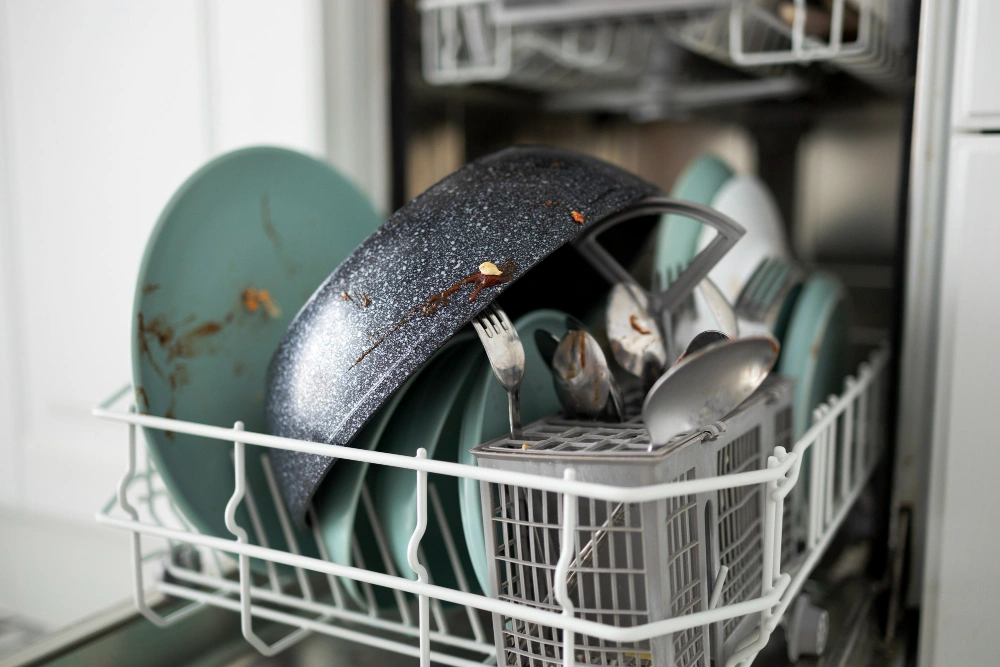
Before we dive into the fixes, understanding why your dishwasher is not draining helps you identify the correct solution faster and avoid misdiagnosis.
The Seven Most Common Causes:
- Clogged Filter: The most frequent cause. Food particles accumulate in the filter and block water flow completely
- Blocked Drain Hose: Kinked, clogged, or improperly installed drain hose prevents water from exiting the machine
- Garbage Disposal Connection: A new garbage disposal with a blocked knockout plug is a surprisingly common cause of dishwasher drainage failure
- Clogged Air Gap: The cylindrical fitting on your sink or countertop that prevents backflow can accumulate debris and restrict drainage
- Failed Drain Pump: The electric pump that forces water out of the dishwasher has failed or is obstructed
- Faulty Door Latch or Float Switch: Safety mechanisms that prevent the drain cycle from completing
- Drain Solenoid Failure: The electronic valve that opens to allow draining has malfunctioned
The Warning Signs Your Dishwasher Has a Draining Problem:
- Standing water at the bottom of the dishwasher tub after a completed cycle
- Dishes coming out dirty or rewashed with food particles
- Gurgling sounds from the sink drain during or after the dishwasher cycle
- Unpleasant sewage or stagnant odor from the dishwasher interior
- The dishwasher stops mid-cycle and displays an error code
- Water backing up into the sink when the dishwasher drains
When to Call a Professional:
If all seven fixes in this guide fail to resolve your dishwasher not draining issue, the problem is likely a failed drain pump motor, a faulty control board, or a damaged drain solenoid — all of which require professional diagnosis and replacement.
Fix 1: Clean the Dishwasher Filter (The Most Common Solution)
This resolves approximately 50% of all dishwasher not draining situations and should always be your first action.
The Science:
Modern dishwashers use a manual filtration system to catch food particles. Unlike older self-cleaning dishwashers with grinding mechanisms, current models rely on you to manually clean the filter regularly. When neglected, the filter becomes completely blocked, preventing water from passing through to the drain pump.
What You Need:
- Warm soapy water
- Soft brush or old toothbrush
- Clean towel
The 2026 Method:
- Remove the bottom dish rack completely to access the dishwasher floor
- Locate the cylindrical filter assembly at the center or back of the dishwasher floor
- Twist the upper cylindrical filter counterclockwise and lift it straight out
- Remove the flat lower mesh filter plate beneath it
- Take both filter components to your sink
- Rinse under warm running water to remove loose debris
- Soak in warm soapy water for 10 minutes
- Use a soft brush or toothbrush to scrub the mesh thoroughly — pay special attention to the fine mesh areas where grease accumulates
- Rinse thoroughly and reinstall — twist the cylindrical filter clockwise until it locks
- Run a short drain cycle or a full wash cycle to test
Why It Works:
A clean filter allows water to flow freely through to the drain pump. In many cases, a severely clogged filter is creating enough backpressure to prevent the drain pump from moving water effectively, even though the pump itself is perfectly functional.
Prevention:
Clean your dishwasher filter every 2-4 weeks to prevent this from recurring. See my How to Clean a Dishwasher Properly guide for a complete monthly maintenance routine.
Best For: All dishwasher brands. The universal first fix for any dishwasher not draining situation.
Fix 2: Check and Clear the Drain Hose (The Second Most Common Fix)
If cleaning the filter did not resolve your dishwasher not draining problem, the drain hose is the next component to inspect.
The Science:
The drain hose connects your dishwasher to either your garbage disposal or your sink drain. It can develop three problems: kinking (physical restriction of water flow), clogging (food debris accumulation inside the hose), or improper installation (the hose running too low and allowing water to siphon back into the dishwasher).
What You Need:
- Flashlight
- Pliers or screwdriver
- Bucket or towels
- Garden hose or long flexible brush (for clogs)
The 2026 Method:
- Pull the dishwasher slightly away from the cabinet (or open the cabinet under the sink) to access the drain hose
- Visually inspect the entire length of the drain hose for kinks or sharp bends — straighten any kinks you find
- Check the connection points at both ends (dishwasher and disposal/drain) for looseness or buildup
- Disconnect the hose from the sink drain or disposal connection
- Look inside the hose with a flashlight for visible blockages
- If blocked, run water through the hose with a garden hose to flush the clog, or use a long flexible brush to dislodge debris
- Check the high loop — the drain hose should loop up to the underside of the countertop before connecting to the drain. If it runs straight down without this loop, water will siphon back into the dishwasher
- Reconnect all connections securely and run a test cycle
The High Loop Rule:
This is one of the most overlooked installation errors causing dishwashers not draining properly. The drain hose must rise to at least the height of the countertop underside before descending to the drain connection. Without this high loop, gravity pulls water back into the dishwasher after each drain cycle.
Best For: All brands. Particularly relevant for dishwashers that were recently installed or moved.
Related Guide: See my How to Unclog a Kitchen Sink for complementary drain clearing techniques.
Fix 3: Check the Garbage Disposal Connection (The Overlooked Fix)
This fix resolves a surprisingly large number of dishwasher not draining situations, particularly in kitchens with recently installed garbage disposals.
The Science:
When a new garbage disposal is installed, it comes with a knockout plug blocking the dishwasher drain inlet port. This plug must be removed before connecting the dishwasher drain hose. If a plumber or installer forgot to remove it, the dishwasher has nowhere to drain.
What You Need:
- Screwdriver
- Hammer
- Flashlight
- Pliers
The 2026 Method:
- Locate the dishwasher inlet port on the side of your garbage disposal (a small circular port on the upper side)
- Disconnect the dishwasher drain hose from the disposal inlet
- Look inside the inlet port with a flashlight — if you see a solid plastic plug blocking the opening, this is your problem
- Use a screwdriver and hammer to carefully knock the plug inward into the disposal
- Reach inside the disposal with pliers to remove the dislodged plug — this is critical, as leaving the plug inside the disposal will damage the blades
- Reconnect the drain hose securely
- Run a test cycle
Even If the Plug Was Already Removed:
Check the disposal connection for accumulated grease and food debris. Run the garbage disposal for 30 seconds with cold water before starting the dishwasher — a partially blocked disposal connection directly restricts dishwasher drainage.
Best For: Kitchens with recently installed garbage disposals or dishwashers that suddenly stopped draining after a disposal installation or replacement.
Fix 4: Clear the Air Gap (The Sink Counter Fix)
If your kitchen has a small cylindrical fitting on the countertop or sink deck near the faucet, you have an air gap — and it may be causing your dishwasher not draining problem.
The Science:
An air gap is a backflow prevention device that creates a physical break in the drain line, preventing contaminated sink water from siphoning back into the dishwasher. When the air gap becomes clogged with debris, it restricts water flow from the dishwasher to the drain, causing water to back up into the dishwasher tub.
What You Need:
- Screwdriver
- Toothbrush or small bottle brush
- Warm water
The 2026 Method:
- Locate the air gap on your countertop or sink deck — it looks like a small chrome or plastic dome
- Remove the decorative cap by twisting counterclockwise or prying gently
- Remove the inner plastic cap beneath it
- Inspect both the cap and the air gap body for accumulated debris and buildup
- Clean all components with a toothbrush and warm soapy water
- Use a small bottle brush to clean inside the air gap body
- Reassemble and run a test cycle
Signs Your Air Gap Is the Problem:
Water spurting or overflowing from the air gap during the dishwasher drain cycle is the definitive sign that the air gap is clogged and restricting drainage.
Best For: Homes where the dishwasher drain connects through an air gap fitting rather than directly to the garbage disposal.
Fix 5: Run a Drain Cycle Reset (The Quick Technology Fix)
Many 2026 dishwashers have electronic control systems that can become confused mid-cycle, leaving water in the tub even when no mechanical problem exists.
The Science:
Modern dishwashers use electronic control boards that monitor cycle progress, water levels, and sensor inputs. A power fluctuation, interrupted cycle, or sensor misread can cause the control board to halt the drain sequence prematurely, leaving standing water in the tub despite all mechanical components functioning correctly.
The 2026 Method:
- Cancel the current cycle completely using the Cancel or Drain button on your dishwasher panel
- Wait 2 minutes for the control board to fully reset
- Press and hold the Cancel/Drain button for 3-5 seconds to initiate a forced drain cycle
- If water drains successfully, the issue was an electronic glitch rather than a mechanical problem
- If water does not drain, proceed to Fix 6
The Hard Reset Method:
- Open the circuit breaker panel and switch off the dishwasher circuit breaker
- Wait 5 minutes for all capacitors to discharge completely
- Restore power and run a new wash cycle from the beginning
- Monitor the drain phase carefully
Brand Specific Reset Procedures:
- Whirlpool: Press Heated Dry, Normal, Heated Dry, Normal within 6 seconds
- Bosch: Press and hold the Start button for 3 seconds
- Samsung: Press and hold Start/Cancel for 3 seconds
- GE: Press and hold the Start/Reset pad for 3 seconds
- KitchenAid: Press Cancel/Drain and wait for the drain cycle to complete
Best For: Dishwashers that suddenly stopped draining mid-cycle with no prior warning signs or mechanical symptoms.
Fix 6: Inspect and Clear the Drain Pump (The Advanced Fix)
If all previous fixes have failed to resolve your dishwasher not draining problem, the drain pump requires direct inspection.
The Science:
The drain pump is an electric motor with an impeller that forces water through the drain hose. Small objects — broken glass, cherry pits, toothpicks, or accumulated debris — can lodge in the impeller and prevent it from spinning, effectively stopping all drainage.
What You Need:
- Towels or shallow pan
- Screwdriver
- Flashlight
- Gloves (glass fragments may be present)
The 2026 Method:
- Disconnect power to the dishwasher at the circuit breaker before proceeding
- Remove all standing water from the dishwasher tub using towels or a wet/dry vacuum
- Remove the bottom rack and the filter assembly
- Locate the drain pump cover — typically a circular or rectangular cover beneath the filter area
- Remove the drain pump cover (usually secured by a quarter-turn or two screws)
- Inspect the pump impeller with a flashlight — look for glass fragments, food debris, or foreign objects
- Remove any obstructions carefully using gloves — glass fragments are a common culprit
- Manually rotate the impeller with your finger — it should spin freely with minimal resistance
- If the impeller spins freely and no obstruction was found, the pump motor itself may have failed (professional repair required)
- Reassemble, restore power, and run a test cycle
Best For: All brands when filter cleaning and hose inspection have not resolved the draining issue.
Fix 7: Check the Drain Solenoid (The Electronic Fix)
On older dishwasher models, a drain solenoid valve controls the opening of the drain. When this component fails, the dishwasher not draining situation cannot be resolved by any of the previous mechanical fixes.
The Science:
The drain solenoid is an electromagnetically controlled valve that opens when the control board sends a drain signal. If the solenoid coil burns out or the valve becomes stuck closed, the drain path remains blocked regardless of pump function or hose condition.
Diagnosing a Failed Drain Solenoid:
- Locate the drain solenoid — typically mounted near the drain pump at the bottom of the dishwasher
- With power disconnected, disconnect the solenoid wiring harness
- Use a multimeter to test solenoid resistance — a functional solenoid typically reads between 40-500 ohms depending on the model
- A reading of zero (short circuit) or infinite resistance (open circuit) confirms solenoid failure
- Replace the solenoid with the manufacturer-specific part for your model
Important Note:
Drain solenoid testing and replacement requires comfort with basic electrical testing. If you are not comfortable using a multimeter, this step is best left to a professional appliance repair technician.
Best For: Older dishwasher models (pre-2020) where electronic component failure is more likely than in newer machines.
Brand-Specific Dishwasher Not Draining Solutions
Whirlpool Dishwasher Not Draining
Whirlpool dishwashers most commonly experience draining issues due to a clogged filter or a faulty drain pump. The filter on most Whirlpool models is located at the back of the dishwasher floor. Whirlpool models also frequently display error code F8 E1 or F9 E1 when a drain issue is detected — these codes confirm a drainage restriction rather than a pump failure in most cases.
Bosch Dishwasher Not Draining
Bosch dishwashers are particularly susceptible to drain hose high loop issues due to their lower installation profile. The most common Bosch draining issue is the E24 or E25 error code, indicating a drain blockage. Start with the filter (located at the bottom center of the tub) and check the drain hose high loop before investigating the pump.
Samsung Dishwasher Not Draining
Samsung dishwashers frequently display the 5C, SC, or OC error code when not draining properly. Samsung models have a known sensitivity to garbage disposal connections — always run the disposal before starting a Samsung dishwasher cycle. The Samsung filter system uses a three-part assembly that requires complete disassembly for thorough cleaning.
GE Dishwasher Not Draining
GE dishwashers commonly experience draining issues related to the drain solenoid on older models and filter clogs on newer models. GE models display error code PF or a flashing Start light when drain issues are detected. The GE filter is located beneath the spray arm at the bottom of the tub and requires a quarter-turn counterclockwise to remove.
Frigidaire Dishwasher Not Draining
Frigidaire dishwashers most commonly develop draining issues from drain hose kinks and filter clogs. The Frigidaire error code i30 or ER indicates water detection in the base pan, which can cause the machine to stop draining as a safety measure. Check for leaks beneath the machine before attempting other fixes if this code appears.
KitchenAid Dishwasher Not Draining
KitchenAid dishwashers share their platform with Whirlpool and experience similar draining issues. The most common cause is a blocked filter or a drain hose connected too low without a proper high loop. KitchenAid models display error code 6-2 or F8E1 for drain issues. The Cancel/Drain button initiates a forced drain cycle on most KitchenAid models.
Dishwasher Not Draining: Causes and Fixes Comparison Table
| Cause | Difficulty | Time Required | Tools Needed | Success Rate |
|---|---|---|---|---|
| Clogged Filter | Very Easy | 15-20 minutes | None | 50% of cases |
| Blocked Drain Hose | Easy | 20-30 minutes | Flashlight, pliers | 20% of cases |
| Garbage Disposal Plug | Easy | 15 minutes | Screwdriver, hammer | 10% of cases |
| Clogged Air Gap | Very Easy | 10 minutes | Screwdriver | 5% of cases |
| Electronic Reset | Very Easy | 5 minutes | None | 5% of cases |
| Drain Pump Obstruction | Moderate | 30-45 minutes | Screwdriver, gloves | 7% of cases |
| Drain Solenoid Failure | Advanced | 45-60 minutes | Multimeter | 3% of cases |
Sarah’s Dishwasher Draining Troubleshooting Protocol
When your dishwasher is not draining, follow this exact sequence for the fastest resolution:
Step 1 (First 5 minutes):
- Press Cancel/Drain to initiate a forced drain cycle
- If water drains → electronic glitch resolved ✅
- If water does not drain → proceed to Step 2
Step 2 (Minutes 5-25):
- Clean the filter thoroughly
- Run another drain cycle
- If water drains → filter was the cause ✅
- If water does not drain → proceed to Step 3
Step 3 (Minutes 25-45):
- Inspect drain hose for kinks and clogs
- Check high loop installation
- Run another drain cycle
- If water drains → hose was the cause ✅
- If water does not drain → proceed to Step 4
Step 4 (Minutes 45-60):
- Check garbage disposal connection and air gap
- Run the disposal for 30 seconds
- Run another drain cycle
- If water drains → disposal connection was the cause ✅
- If water does not drain → proceed to Step 5
Step 5 (Advanced):
- Inspect drain pump for obstructions
- Test drain solenoid with multimeter
- If no resolution → contact professional repair technician
Common Mistakes When Fixing a Dishwasher Not Draining
When resolving a dishwasher not draining situation, avoid these errors:
- Skipping the filter: Always start here — it resolves half of all draining issues and takes only 15 minutes
- Running the dishwasher repeatedly without fixing the cause: Repeated cycles with a drainage blockage can burn out the drain pump motor
- Forgetting to check the garbage disposal: Always run the disposal before troubleshooting further — a full disposal is one of the most common causes of dishwasher drainage failure
- Ignoring the high loop requirement: A drain hose without a proper high loop will cause recurring drainage problems regardless of how many times you clean the filter
- Using drain cleaning chemicals inside the dishwasher: Chemical drain cleaners damage dishwasher components and contaminate the interior with toxic residue
- Leaving standing water for extended periods: Standing water inside a dishwasher creates mold and bacterial growth within 24-48 hours — address the issue immediately
Sarah’s Final Advice
A dishwasher not draining is one of those problems that looks alarming but resolves easily in the majority of cases. Start with the filter every single time — it costs nothing, takes 15 minutes, and solves the problem in approximately half of all situations. Work through the seven fixes in order before concluding that professional repair is necessary.
For ongoing prevention, clean your dishwasher filter every 2-4 weeks, run the garbage disposal before every dishwasher cycle, and perform a monthly vinegar cleaning cycle to prevent grease and debris accumulation in the drain components.
For more dishwasher maintenance guidance, see my [How to Clean a Dishwasher Properly] guide, or explore my complete Kitchen Appliance Maintenance Guide for a full schedule of appliance care routines.
Shop the Fix: Sarah’s Dishwasher Repair Essentials
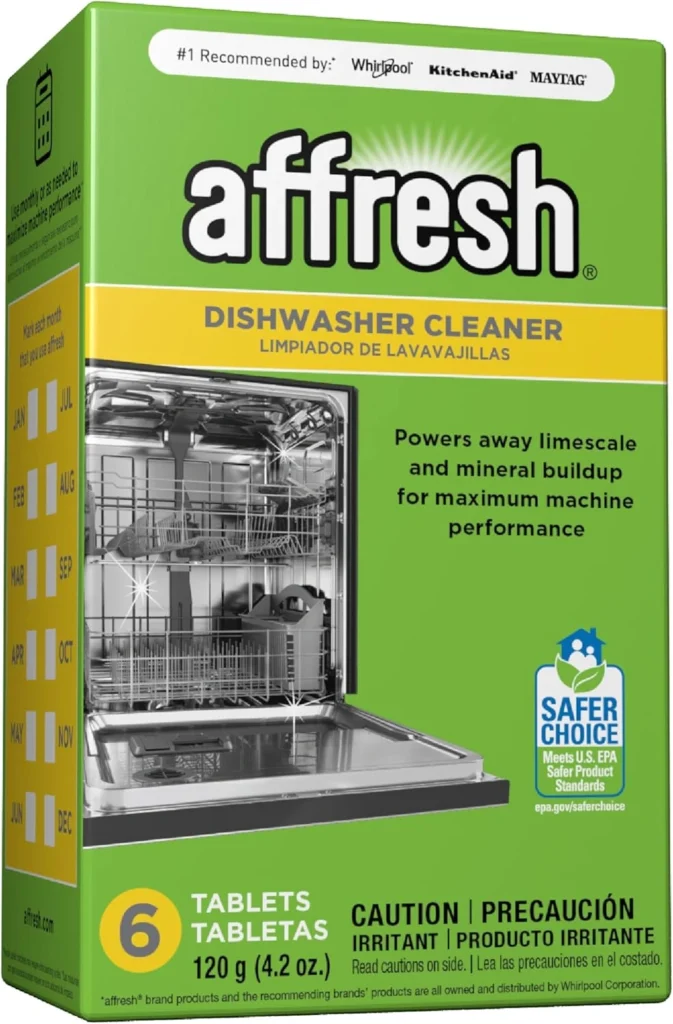
1. Affresh Dishwasher Cleaner Tablets (6-Pack)
Regular use of dishwasher cleaner tablets prevents the grease and food debris accumulation that causes the majority of dishwasher draining problems. One tablet monthly keeps drain components clear and functioning correctly.
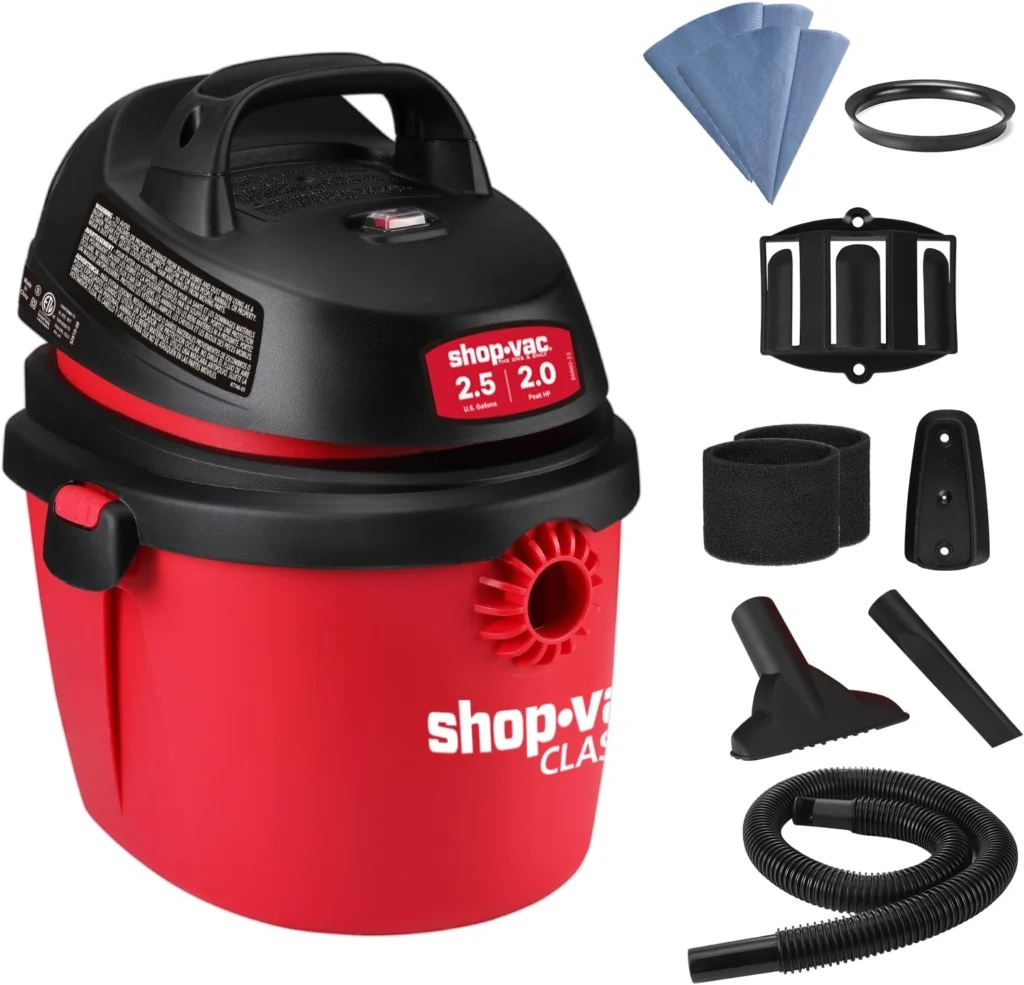
2. Wet/Dry Shop Vacuum (Small, 2.5 Gallon)
The fastest way to remove standing water from a dishwasher tub before troubleshooting. A small shop vacuum removes all standing water in under 2 minutes, making inspection and repair significantly cleaner and faster.
3. Digital Multimeter (For Drain Solenoid Testing)
Essential for diagnosing electronic component failures including drain solenoids and pump motors. A quality digital multimeter is an indispensable tool for any homeowner performing appliance diagnostics and repairs.