If you’ve ever noticed white, cloudy spots or rainbow-colored rings on your stainless steel sink, appliances, or cookware, you’re searching for how to remove water stains from stainless steel. These mineral deposits—commonly called “hard water stains” or “water spots”—are one of the most frustrating cosmetic issues in the modern kitchen. Despite stainless steel’s reputation for being easy to maintain, water marks seem to appear the moment you wipe the surface dry.
As a kitchen efficiency expert based in Austin, I deal with hard water stains constantly. Austin has notoriously hard water, with high mineral content that leaves deposits on every stainless steel surface in my kitchen. Understanding how to remove water stains from stainless steel has been essential for keeping my appliances looking professional.
Here is my professional guide on how to remove water stains from stainless steel using five proven methods that work on sinks, appliances, cookware, and fixtures.
Table of Contents
Understanding Water Stains on Stainless Steel
Before we tackle how to remove water stains from stainless steel, let’s understand what causes them:
The Science:
Water stains on stainless steel are caused by mineral deposits—primarily calcium and magnesium—left behind when water evaporates. In areas with hard water (like Austin, Phoenix, and Las Vegas), these minerals are present in high concentrations and leave visible white or rainbow-colored residue.
The Two Types of Water Stains:
- White/Cloudy Spots: Calcium carbonate deposits from moderately hard water
- Rainbow/Iridescent Spots: Oxidation of the chromium in the steel, often caused by heat or certain minerals
Why Stainless Steel is Vulnerable:
Despite its name, stainless steel is not completely “stainless.” It contains iron, chromium, and nickel. Mineral deposits bond to microscopic surface imperfections and become increasingly difficult to remove the longer they’re left untreated.
Method 1: The White Vinegar Method (The Most Effective Natural Solution)
This is the gold standard for how to remove water stains from stainless steel using a natural, inexpensive solution.
The Science:
The acetic acid in white vinegar dissolves calcium carbonate deposits without damaging the chromium oxide layer that gives stainless steel its corrosion resistance.
What You Need:
- White vinegar (undiluted)
- Spray bottle
- Microfiber cloths
- Soft brush (for textured surfaces)
The 2026 Method:
- Spray undiluted white vinegar generously over the water-stained area
- Let it sit for 5-10 minutes (longer for severe deposits—up to 30 minutes)
- For sinks and flat surfaces, lay a vinegar-soaked paper towel directly on the stain for maximum contact
- Wipe away using a microfiber cloth, always moving with the grain of the stainless steel
- Rinse with clean water
- Immediately buff dry with a clean microfiber cloth
Why Drying Immediately Matters:
If you let the water air dry after cleaning, you’ll create new water stains immediately. Always dry within 30 seconds of rinsing.
The Result: Light to moderate water stains disappear completely. Severe deposits may require multiple treatments.
Best For: Regular maintenance cleaning and light water spot removal.
Related Guide: See my How to Clean Stainless Steel Appliances Without Streaks for the complete stainless steel care system.
Method 2: The Baking Soda Paste Method (For Stubborn Deposits)
When vinegar alone isn’t enough, baking soda adds the mechanical advantage needed to solve how to remove water stains from stainless steel with heavy buildup.
What You Need:
- Baking soda
- White vinegar or water
- Microfiber cloths
- Soft sponge
The 2026 Method:
- Mix baking soda with just enough white vinegar or water to form a thick paste
- Apply the paste directly to the water-stained area
- Let it sit for 10-15 minutes
- Using a soft sponge or cloth, gently scrub with the grain of the stainless steel (never against the grain or in circular motions)
- Rinse thoroughly with clean water
- Dry immediately and completely with a microfiber cloth
Why This Works:
Baking soda is a mild abrasive that physically lifts mineral deposits while the acidic reaction with vinegar dissolves the calcium bonds. Together, they tackle stains from both chemical and mechanical angles.
Critical Warning:
Never use steel wool, abrasive pads, or scrubbing sponges on stainless steel. These create microscopic scratches that trap future mineral deposits and are impossible to remove.
Best For: Moderate to heavy water stain deposits that resist the vinegar-only method.
Method 3: The Lemon Juice Method (The Natural Polish)
For a fresh-smelling, naturally effective answer to how to remove water stains from stainless steel, lemon juice is an excellent alternative to vinegar.
What You Need:
- Fresh lemon (or bottled lemon juice)
- Microfiber cloths
- Optional: Fine sea salt for extra abrasion
The 2026 Method:
- Cut a lemon in half
- Rub the cut side directly over the water-stained surface
- For extra cleaning power, dip the lemon in fine sea salt before rubbing
- Let the juice sit for 5 minutes
- Wipe away with a clean microfiber cloth following the grain
- Rinse with clean water
- Dry immediately
Why It Works:
Citric acid in lemon juice dissolves mineral deposits similarly to acetic acid in vinegar. The added benefit is the pleasant citrus scent and mild antibacterial properties.
Best For: Light water spots and regular polishing maintenance.
Related Guide: See my How to Clean a Microwave with Lemon for more citrus-based cleaning applications.
Method 4: The Bar Keepers Friend Method (The Professional Solution)
For the most stubborn water stains that resist natural methods, this is the professional answer to how to remove water stains from stainless steel.
What You Need:
- Bar Keepers Friend (powder or liquid form)
- Soft cloth or non-scratch sponge
- Water
- Microfiber cloths
The 2026 Method:
- Wet the stained surface with water
- Sprinkle Bar Keepers Friend powder onto the surface (or apply the liquid version)
- Using a soft, damp cloth, work the product into the stain with the grain
- Let it sit for 1 minute maximum (do not leave on longer—it can etch the surface)
- Rinse thoroughly and completely
- Dry immediately with a microfiber cloth
Why It Works:
Bar Keepers Friend contains oxalic acid, which is specifically effective at dissolving iron-based stains and mineral deposits without damaging the chromium oxide layer of stainless steel.
Important Warnings:
- Never leave on surface for more than 1-2 minutes
- Always rinse completely (residue can cause discoloration)
- Test on a hidden area first for very polished surfaces
Best For: Severe, long-standing water deposits that have resisted all other methods.
Method 5: The Club Soda Method (The Quick Fix)
This is the fastest and most surprising answer to how to remove water stains from stainless steel for fresh, light spots.
What You Need:
- Club soda or sparkling water
- Microfiber cloth
The 2026 Method:
- Pour club soda directly onto the water-stained surface
- Let it fizz for 2-3 minutes
- Wipe away with a microfiber cloth following the grain
- Dry immediately with a clean cloth
Why It Works:
Club soda’s carbonation creates tiny bubbles that physically lift mineral deposits from the surface. The mild carbonic acid also dissolves light calcium deposits.
Best For: Fresh, light water spots immediately after they appear—not for established, long-standing deposits.
Water Stain Removal Comparison Table
| Method | Effectiveness | Cost | Time Required | Best For |
|---|---|---|---|---|
| White Vinegar | Very High | Very Low | 10-30 minutes | Most water stains |
| Baking Soda Paste | Very High | Very Low | 20-30 minutes | Heavy deposits |
| Lemon Juice | Moderate | Low | 10 minutes | Light spots & polish |
| Bar Keepers Friend | Highest | Low | 5-10 minutes | Severe staining |
| Club Soda | Low-Moderate | Low | 5 minutes | Fresh light spots |
The “With the Grain” Rule: The Most Important Technique
The single most important factor in how to remove water stains from stainless steel is the direction you wipe. This cannot be overstated:
How to Find the Grain:
Look closely at your stainless steel surface in good lighting. You’ll see fine, parallel lines running in one direction—this is the grain.
The Rules:
- Always wipe WITH the grain (parallel to the lines)
- Never wipe AGAINST the grain (perpendicular to the lines)
- Never use circular motions (creates cross-grain scratches)
Why This Matters:
Wiping against the grain pushes mineral deposits INTO the microscopic grooves between the grain lines, making them harder to remove and creating visible scratches.
Prevention: How to Stop Water Stains Before They Start
Once you know how to remove water stains from stainless steel, prevention is the most efficient long-term strategy:
1. The “Dry Immediately” Rule:
Never let water air-dry on stainless steel. Keep a dedicated microfiber cloth next to your sink specifically for immediate drying after use.
2. Apply a Protective Polish:
After deep cleaning, apply a thin layer of mineral oil or specialized stainless steel polish. This creates a hydrophobic barrier that causes water to bead up rather than spreading and leaving deposits.
3. Consider a Water Softener:
If you live in a hard water area, a whole-home water softener or an under-sink filtration system dramatically reduces mineral content, preventing stains at the source.
4. Weekly Vinegar Spray:
Make vinegar spraying part of your weekly cleaning routine. Fresh deposits are significantly easier to remove than established ones. See my How to Clean Stainless Steel Appliances Without Streaks guide for the complete weekly routine.
Sarah’s Stainless Steel Maintenance Schedule
Once you know how to remove water stains from stainless steel, create this routine:
Daily:
- Dry stainless steel sink after each use
- Wipe appliances with a dry microfiber cloth if water splashes
Weekly:
- Spray with white vinegar and wipe with grain
- Apply mineral oil to sink after cleaning (prevents future staining)
Monthly:
- Baking soda paste deep clean for any persistent spots
- Polish with specialized stainless steel cream
As Needed:
- Bar Keepers Friend for stubborn deposits that resist regular cleaning
Sarah’s Final Advice
Mastering how to remove water stains from stainless steel is primarily about two things: using the right acid (vinegar or citric acid) to dissolve mineral deposits, and always wiping with the grain to prevent scratching.
The most important preventive habit is drying your stainless steel surfaces immediately after contact with water. A 10-second wipe prevents the 30-minute cleaning session.
For more stainless steel care, check out my How to Clean Stainless Steel Appliances Without Streaks guide or see my Kitchen Appliance Maintenance Guide for complete kitchen surface care.
Shop the Clean: Sarah’s Stainless Steel Care Kit
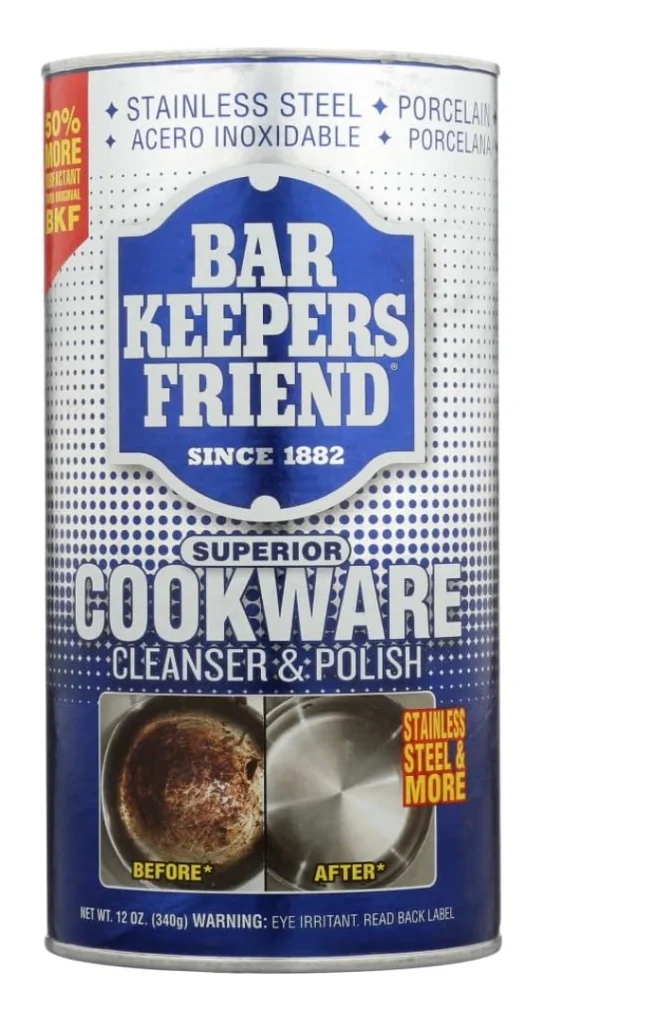
1. Bar Keepers Friend Soft Cleanser (Liquid Formula)
The most effective commercial solution for severe water stains. The liquid formula is easier to control than powder for precise application.
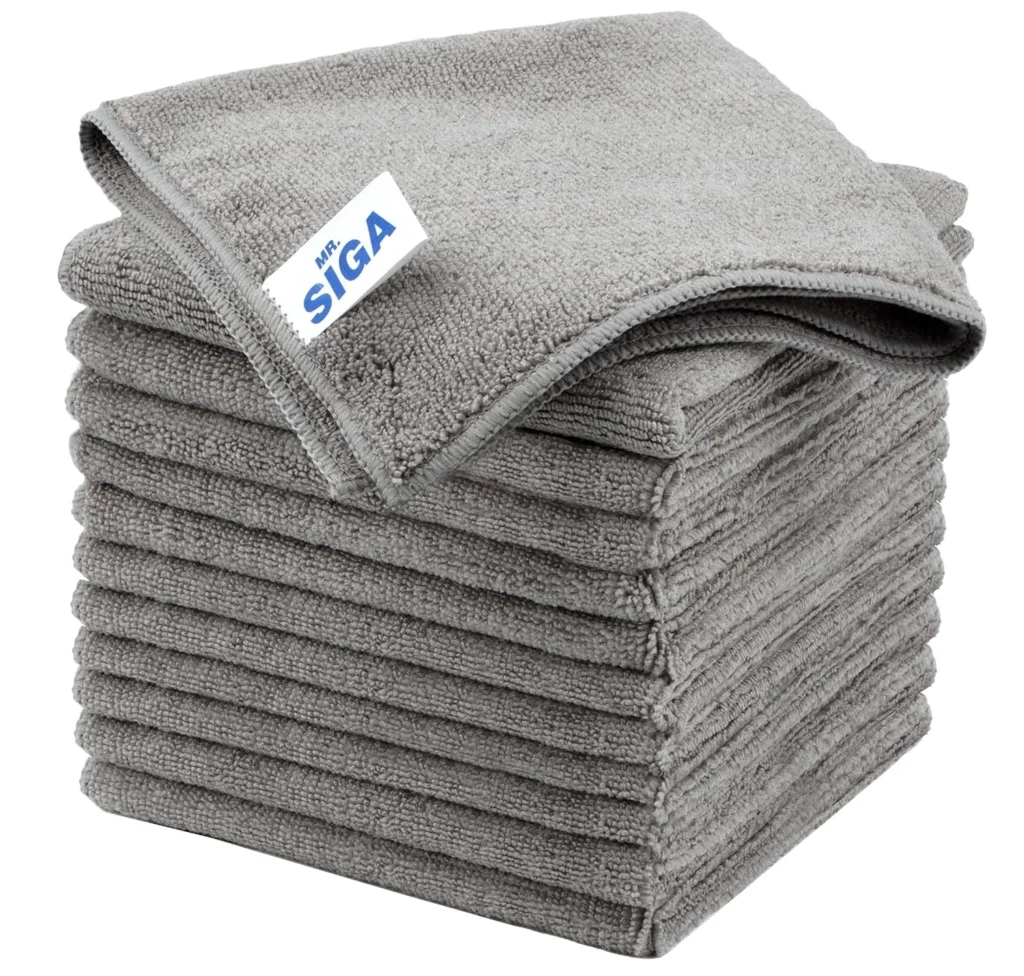
2. Premium Microfiber Polishing Cloths (Pack of 24)
The foundation of streak-free stainless steel maintenance. These ultra-fine cloths lift minerals without scratching.
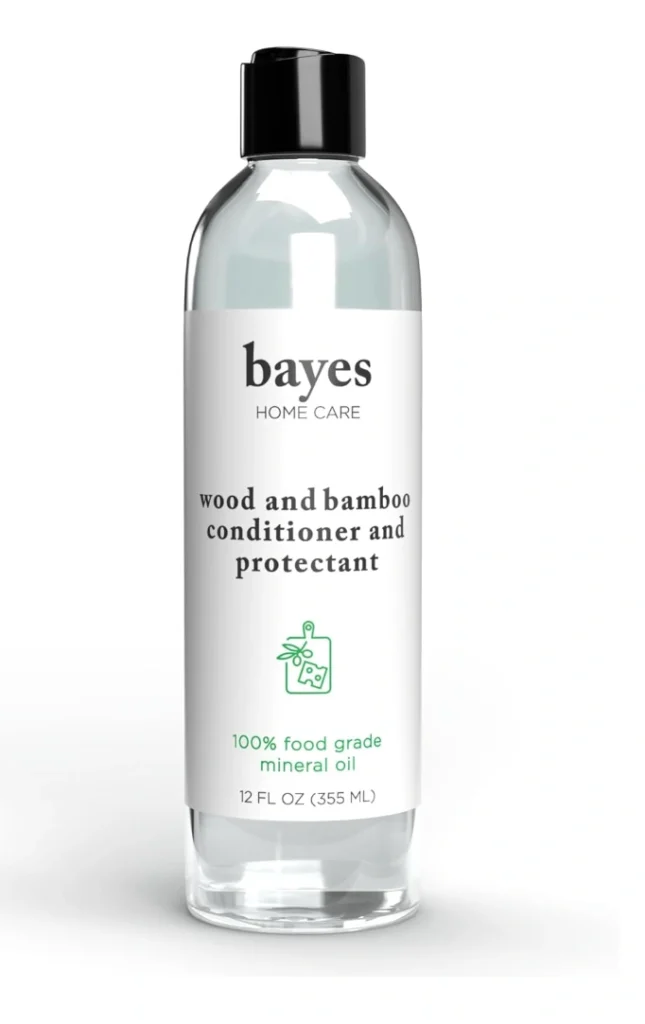
3. Food-Grade Mineral Oil (For Protective Coating)
Apply after cleaning to create a water-repelling barrier that dramatically reduces future water staining. Also works for cast iron and cutting board maintenance.