If you have ever walked away from the stove for “just a minute” and returned to a pot of scorched rice, blackened soup, or caramelized sauce fused to the bottom of your favorite pan, you already know the frustration. Knowing how to remove burnt food from a pot is one of the most essential and practical kitchen skills any home cook can master in 2026.
As a kitchen efficiency expert based in Austin, I have personally tested every method imaginable for removing burnt food from pots and pans. From boiling water tricks to commercial cleaners, not every method works for every type of burnt residue or cookware material. That is why I have compiled this definitive guide on how to remove burnt food from a pot using six proven methods that cover every scenario from lightly scorched rice to heavily carbonized sugar.
Here is my professional, tested guide on how to remove burnt food from a pot so you can restore your cookware quickly, safely, and without damaging the surface.
Table of Contents
Why Burnt Food Is So Difficult to Remove
Before we tackle how to remove burnt food from a pot, it helps to understand the science behind why burnt residue bonds so aggressively to cookware surfaces.
The Chemistry of Burnt Food:
When food burns, the sugars, proteins, and starches undergo a process called pyrolysis — a chemical breakdown caused by extreme heat. The resulting carbon-based residue forms a hardened bond with the metal surface of the pot. The longer the residue sits, the stronger this bond becomes, which is why immediate action always produces better results than waiting until the next day.
The Four Types of Burnt Residue (Each Needs a Different Approach):
- Scorched Starch: Burnt rice, pasta, or potatoes — forms a thick, crusty layer
- Caramelized Sugar: Burnt sauces, jams, or desserts — hardens into a glass-like coating
- Carbonized Protein: Burnt meat or eggs — creates a dark, flaky but stubborn layer
- Polymerized Oil: Overheated cooking oil — forms a sticky, tar-like residue
The Warning Signs You Are Using the Wrong Cleaning Method:
- Surface scratches appearing on non-stick or stainless steel
- Discoloration spreading beyond the burnt area
- Residue spreading rather than lifting during scrubbing
- Cookware surface feels rough or pitted after cleaning
Method 1: The Boiling Water Method (The First Responder)
This is always the first step in how to remove burnt food from a pot and works best when the burnt residue is still relatively fresh.
The Science:
Hot water rehydrates and softens the hardened carbon bonds between the burnt food and the pot surface. Adding dish soap introduces surfactants that further weaken the bond, allowing the residue to lift without aggressive scrubbing.
What You Need:
- Water
- 2 tablespoons dish soap
- Wooden spoon or silicone spatula
The 2026 Method:
- Do not let the burnt pot cool completely — act while it is still warm for best results
- Fill the pot with enough water to completely cover all burnt areas
- Add 2 tablespoons of dish soap directly to the water
- Place the pot back on the stove over medium heat
- Bring the soapy water to a gentle boil and maintain for 10-15 minutes
- Use a wooden spoon or silicone spatula to gently scrape the burnt areas as the water boils — you will see the residue beginning to lift
- Pour out the water carefully and assess the remaining residue
- Repeat once if needed before moving to a stronger method
Why It Works:
The combination of heat, water, and soap rehydrates the burnt carbon layer from the bottom up, breaking the bond between the residue and the metal surface without requiring any abrasive scrubbing that could damage the cookware.
Best For: Fresh burnt starch (rice, pasta, oatmeal) and lightly scorched sauces within the first few hours of burning.
Related Guide: See my Kitchen Appliance Maintenance Guide for complete cookware care schedules.
Method 2: The Baking Soda and Vinegar Method (The Natural Powerhouse)
This is the most popular natural answer to how to remove burnt food from a pot and works effectively on a wide range of burnt residue types.
What You Need:
- 1 cup white vinegar
- 2 tablespoons baking soda
- Water
- Non-scratch scrubbing pad
The 2026 Method:
- Add 1 cup of white vinegar and enough water to cover the burnt area to the pot
- Bring the vinegar-water mixture to a boil on the stove
- Remove the pot from heat and add 2 tablespoons of baking soda directly into the hot vinegar water
- Allow the fizzing reaction to work for 5-10 minutes — do not stir aggressively
- Pour out the liquid once the fizzing subsides
- Use a non-scratch scrubbing pad to gently scrub the loosened residue
- Rinse thoroughly with warm water and assess results
- Repeat if necessary or advance to Method 3 for stubborn residue
Why It Works:
White vinegar (acetic acid) dissolves mineral deposits and weakens the carbon bond structure of burnt food. When baking soda is added, the fizzing reaction (carbon dioxide release) physically lifts the loosened residue away from the surface, doing the mechanical work without requiring abrasive scrubbing.
The Vinegar and Baking Soda Sequence:
- Step 1: Vinegar boil (chemically dissolves the bond)
- Step 2: Baking soda addition (physically lifts the residue)
- Total time: 20-30 minutes
- Cost: Under $0.50
Best For: Burnt sauces, scorched milk, caramelized sugar residue, and stainless steel pots.
Related Guide: See my How to Clean a Burnt Air Fryer Basket for the same natural cleaning technique applied to air fryer cookware.
Method 3: The Baking Soda Paste Method (The Gentle Abrasive)
When liquid methods are not enough, the baking soda paste is the next step in how to remove burnt food from a pot without scratching the surface.
What You Need:
- 4-5 tablespoons baking soda
- Small amount of water
- Non-scratch scrubbing pad or soft brush
The 2026 Method:
- Allow the burnt pot to cool completely before applying this method
- Add just enough water to 4-5 tablespoons of baking soda to create a thick paste consistency
- Apply the paste generously directly onto all burnt areas
- Allow the paste to sit undisturbed for 15-20 minutes (or up to 2 hours for severe burning)
- Use a non-scratch scrubbing pad or soft brush to scrub in circular motions
- Add a few drops of water as needed to maintain the paste consistency during scrubbing
- Rinse thoroughly and repeat if residue remains
Why It Works:
Baking soda is a mild alkali with a gentle abrasive particle structure. It physically scrubs away carbonized residue without the hardness level needed to scratch stainless steel, enameled cast iron, or ceramic surfaces. It simultaneously neutralizes odors from the burnt food.
Pro Tip from Sarah:
For heavily burnt pots, combine this method with Method 2. Run the vinegar boil first to chemically loosen the residue, then apply the baking soda paste for the final scrub. This two-step combination resolves approximately 90% of all burnt pot situations without any commercial cleaners.
Best For: Moderately burnt stainless steel, enameled cast iron, and ceramic pots. Not recommended for non-stick surfaces.
Method 4: The Dish Soap Overnight Soak Method (The Effortless Restorer)
Sometimes the most efficient answer to how to remove burnt food from a pot is simply patience. This method requires almost zero effort.
What You Need:
- Dish soap
- Hot water
- Non-scratch scrubbing pad
The 2026 Method:
- Fill the burnt pot with the hottest tap water available
- Add a generous squeeze of dish soap (approximately 3-4 tablespoons)
- Place the pot on the stove and bring to a gentle simmer for 5 minutes to maximize soap penetration
- Remove from heat and allow to soak overnight (minimum 8 hours)
- In the morning, pour out the soak water
- The burnt residue should now be significantly softened and easily removed with a non-scratch scrubbing pad
- Rinse thoroughly
Why It Works:
Extended soaking gives dish soap surfactants hours to penetrate beneath the carbon layer and weaken the bond between the burnt residue and the metal surface. What would require 30 minutes of scrubbing immediately after burning often wipes away effortlessly after an overnight soak.
The Efficiency Factor:
As a kitchen efficiency expert, this is my personal favorite method for heavily burnt pots discovered late at night. Set it up in 2 minutes before bed and clean it effortlessly in 2 minutes the next morning. Total active time: 4 minutes.
Best For: All pot types including non-stick, stainless steel, and enameled cast iron. Ideal for burnt residue discovered hours after cooking.
Method 5: The Cream of Tartar Method (The Stainless Steel Specialist)
This lesser-known but highly effective method is the professional answer to how to remove burnt food from a pot made of stainless steel specifically.
What You Need:
- 2 tablespoons cream of tartar
- Water
- Non-scratch scrubbing pad
The 2026 Method:
- Fill the burnt pot with enough water to cover all burnt areas
- Add 2 tablespoons of cream of tartar to the water
- Bring the mixture to a boil and maintain for 10 minutes
- Allow to cool for 15 minutes
- Pour out the liquid and scrub with a non-scratch pad
- Rinse thoroughly with warm water
Why It Works:
Cream of tartar (potassium bitartrate) is a mild acid that is highly effective at dissolving the mineral deposits and carbon compounds that make burnt stainless steel so difficult to clean. It also restores the natural shine of stainless steel surfaces that have been dulled by burning.
Pro Tip from Sarah:
In Austin, where we have hard water, I combine cream of tartar with the boiling method at least once a quarter on my stainless steel pots. It removes both burnt residue and the hard water mineral deposits that accumulate over time — two problems solved in one pot of boiling water.
Best For: Stainless steel pots exclusively. Particularly effective for restoring shine and removing mineral deposits alongside burnt residue.
Related Guide: See my How to Remove Water Stains from Stainless Steel for complementary stainless steel restoration techniques.
Method 6: The Commercial Cleaner Method (The Heavy Artillery)
For pots with severe, long-standing burnt residue that has resisted all natural methods, a commercial cleaner is the most powerful answer to how to remove burnt food from a pot.
The Best 2026 Options:
- Bar Keepers Friend (Powder or Liquid): The gold standard for stainless steel burnt residue removal
- Bon Ami Powder Cleanser: Gentler than Bar Keepers Friend, safe for more surface types
- Easy-Off Fume-Free Oven Cleaner: For extremely severe carbonized buildup on stainless steel only
The 2026 Method (Bar Keepers Friend):
- Ensure the pot is wet before applying
- Sprinkle Bar Keepers Friend powder directly onto the burnt area
- Add a small amount of water to create a paste consistency
- Allow to sit for 1 minute (do not leave longer than stated on the label)
- Scrub with a non-scratch pad using circular motions
- Rinse thoroughly — ensure all product residue is completely removed
- Repeat if necessary for severe buildup
Why Commercial Cleaners Work for Heavy Buildup:
Bar Keepers Friend contains oxalic acid, which chemically dissolves iron oxide (rust), mineral deposits, and carbon compounds at a molecular level — far more aggressively than any natural method. For pots that have been severely burnt and left uncleaned for extended periods, this is the most reliable solution.
Safety Warning:
Never use Bar Keepers Friend or similar oxalic acid cleaners on non-stick surfaces, cast iron, or aluminum. Use only on stainless steel and enameled surfaces after verifying manufacturer compatibility.
Best For: Severely burnt stainless steel pots with residue that has resisted all natural cleaning methods.
The “Often Forgotten” Considerations
A complete guide on how to remove burnt food from a pot must address these frequently overlooked factors:
Cookware Material Matters:
- Non-stick pots: Use only Methods 1, 2 (gentle), and 4. Never use abrasive scrubbers or commercial cleaners
- Stainless steel: All 6 methods are safe. Methods 5 and 6 are particularly effective
- Enameled cast iron: Use Methods 1, 2, 3, and 4 only. Avoid harsh commercial cleaners
- Bare cast iron: Use only Method 1 and coarse salt scrubbing. Never soak or use acidic methods
The Time Factor:
The single most important variable in how to remove burnt food from a pot is time. Acting within the first 30 minutes produces dramatically better results than waiting. The carbon bond strengthens significantly over the first 24 hours.
When to Stop and Replace:
If a non-stick pot has burnt residue that requires aggressive scrubbing to remove, the non-stick coating has likely been compromised. A damaged non-stick surface is a health concern and the pot should be replaced rather than restored.
Burnt Food Removal Comparison Table
| Method | Time Required | Cost | Best Cookware | Difficulty |
|---|---|---|---|---|
| Boiling Water | 20-30 minutes | Free | All types | Very Easy |
| Baking Soda + Vinegar | 25-35 minutes | $0.50 | Stainless, Enamel | Easy |
| Baking Soda Paste | 20 minutes + soak | $0.25 | Stainless, Ceramic | Easy |
| Overnight Soak | 8+ hours (passive) | $0.10 | All types | Effortless |
| Cream of Tartar | 25 minutes | $0.75 | Stainless steel only | Easy |
| Commercial Cleaner | 10-15 minutes | $5-$8 | Stainless, Enamel | Moderate |
Sarah’s Burnt Pot Emergency Protocol
When you discover a burnt pot, follow this decision tree for the fastest resolution:
Step 1: How fresh is the burn?
- Less than 1 hour ago → Start with Method 1 (Boiling Water) immediately
- More than 1 hour ago → Go directly to Method 4 (Overnight Soak)
Step 2: What type of cookware?
- Non-stick → Methods 1 or 4 only
- Stainless steel → Any of the 6 methods
- Enameled cast iron → Methods 1, 2, 3, or 4
- Bare cast iron → Method 1 or coarse salt only
Step 3: How severe is the burning?
- Light scorching → Method 1 or 2
- Moderate burning → Method 2 or 3
- Heavy carbonization → Method 5 or 6
Step 4: How much time do you have?
- No time tonight → Method 4 (set it and forget it overnight)
- 30 minutes available → Method 2 (Baking Soda + Vinegar)
- Want the fastest result → Method 6 (Commercial Cleaner)
Common Mistakes When Removing Burnt Food
When learning how to remove burnt food from a pot, avoid these errors:
- Using steel wool on non-stick surfaces: This permanently destroys the non-stick coating in seconds
- Applying cold water to a hot pot: Thermal shock can warp stainless steel and crack enamel coatings
- Scrubbing immediately without soaking: Dry scrubbing spreads residue and scratches surfaces
- Using bleach on cookware: Bleach is corrosive to metal surfaces and leaves harmful residue
- Ignoring the pot type: Using acidic cleaners on bare cast iron strips the seasoning layer completely
- Giving up too soon: Most severely burnt pots can be fully restored with Method 6 if natural methods have been exhausted
Sarah’s Final Advice
Mastering how to remove burnt food from a pot is about matching the right method to the right situation. The boiling water method and overnight soak resolve the majority of burnt pot situations with minimal effort and zero cost. For stainless steel specifically, Bar Keepers Friend is the most powerful tool available and worth keeping in every kitchen.
My personal rule in my Austin kitchen: the moment I notice a burnt pot, I fill it with hot soapy water immediately — even if I cannot clean it properly right then. This simple 30-second habit prevents the carbon bond from fully hardening and makes every subsequent cleaning method significantly more effective.
For more kitchen cleaning guides, see my How to Clean a Burnt Air Fryer Basket or explore my complete Kitchen Appliance Maintenance Guide for a full schedule of appliance care routines.
Shop the Clean: Sarah’s Burnt Pot Rescue Kit
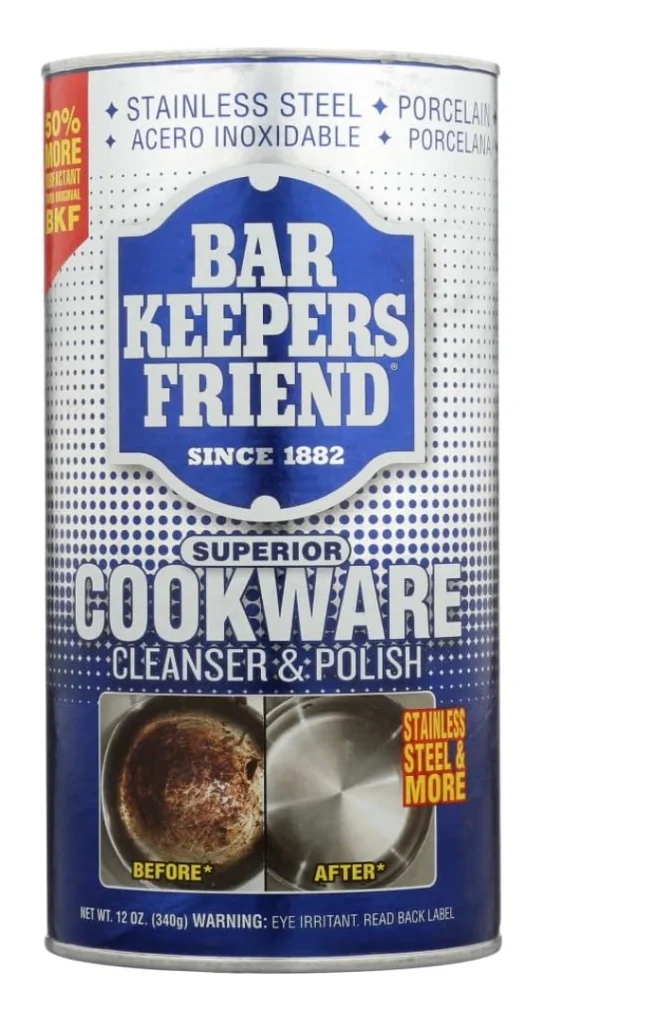
1. Bar Keepers Friend Powder Cleanser (2-Pack)
The most effective commercial cleaner for burnt stainless steel cookware. A staple in my Austin kitchen for restoring pots that natural methods cannot fully resolve.
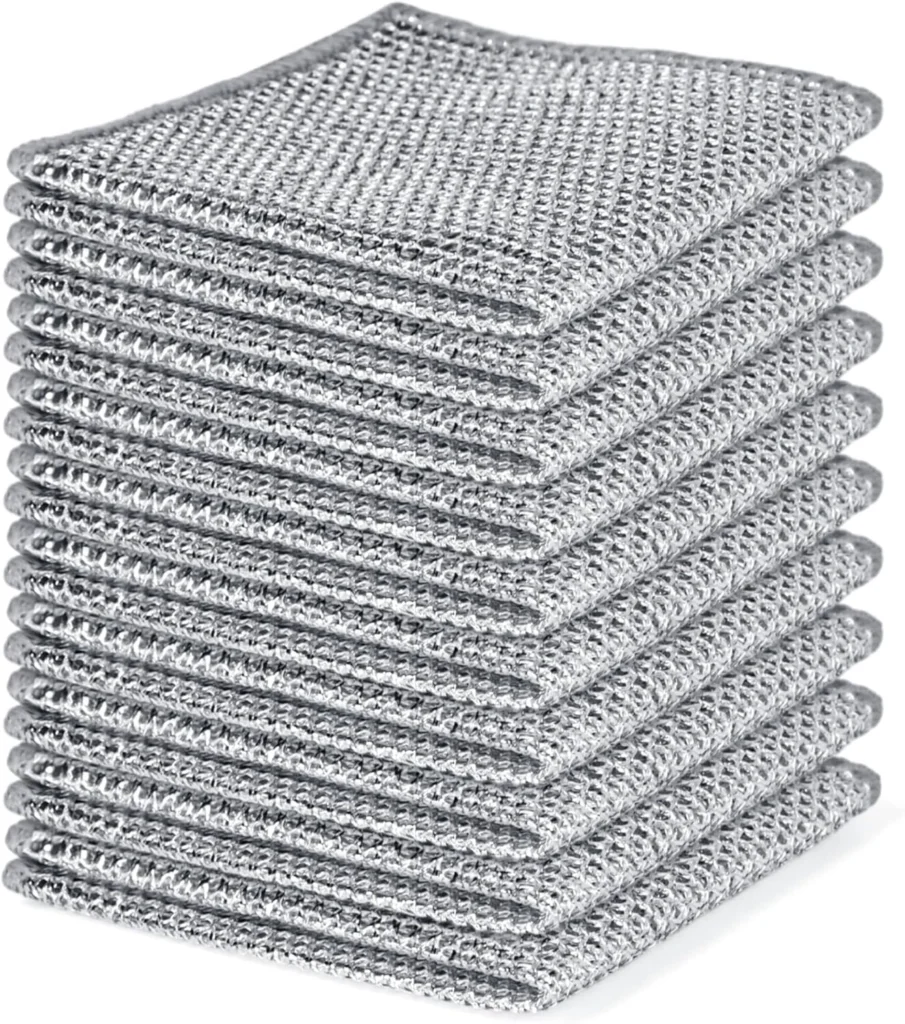
2. Non-Scratch Scrubbing Pads (Heavy Duty, 12-Pack)
Essential for removing burnt residue without damaging cookware surfaces. These pads are tough enough for burnt carbon but safe for stainless steel and enameled finishes.
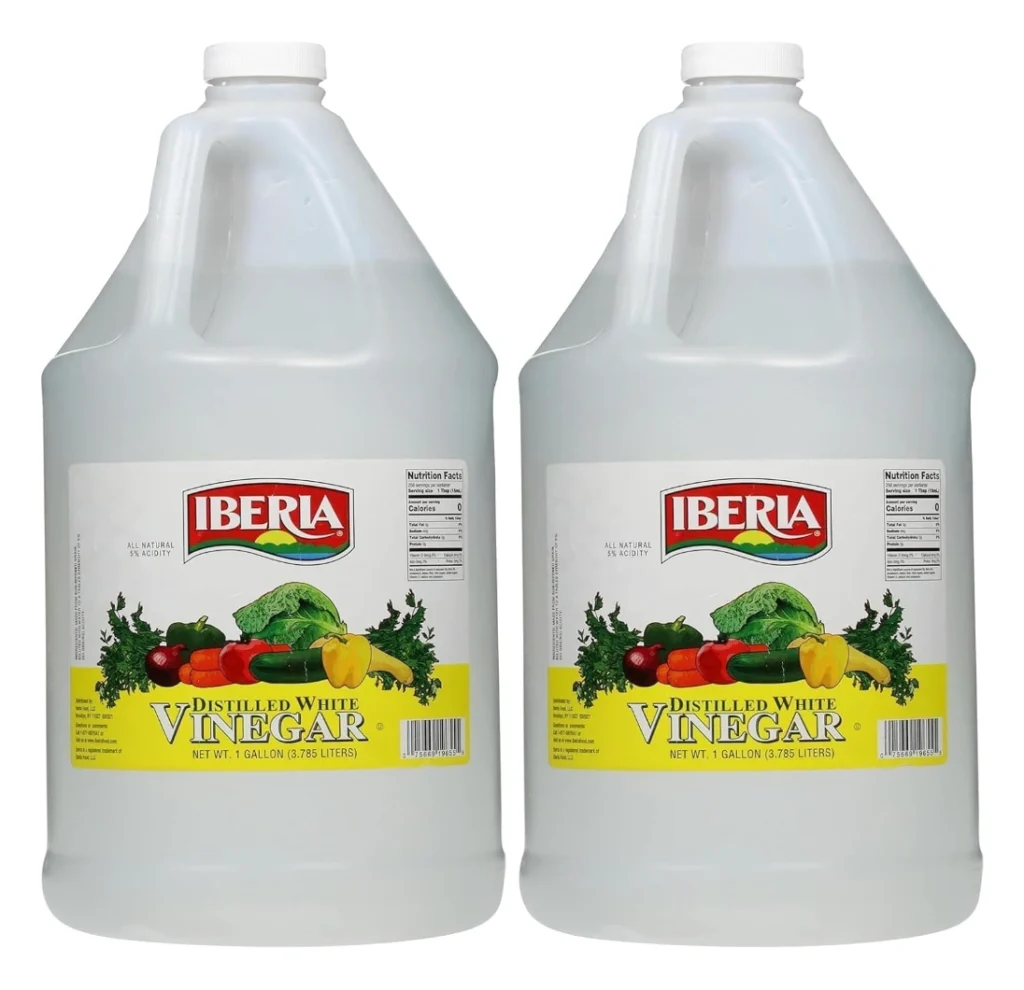
3. White Vinegar (Gallon Size, Cleaning Grade)
The foundation of natural burnt pot cleaning. Keep a dedicated gallon for cookware restoration and appliance maintenance throughout your kitchen.